

How to achieve remote control of a Busway Tap - off Box?
Sep 01, 2025
Leave a message
In today's rapidly evolving technological landscape, the demand for efficient and intelligent electrical distribution systems is on the rise. As a leading supplier of Busway Tap - off Boxes, we understand the importance of providing solutions that not only meet the basic electrical distribution needs but also offer advanced features such as remote control. This blog post will delve into the various aspects of achieving remote control of a Busway Tap - off Box, exploring the technologies, benefits, and implementation steps.
Understanding the Busway Tap - off Box
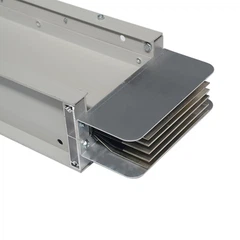
Before we discuss remote control, it's essential to understand what a Busway Tap - off Box is. A Busway Tap - off Box is a crucial component in electrical distribution systems. It allows for the safe and efficient extraction of power from a busway at various points along its length. These boxes are used in a wide range of applications, from commercial buildings to industrial facilities, providing a convenient way to connect electrical loads to the main power source.
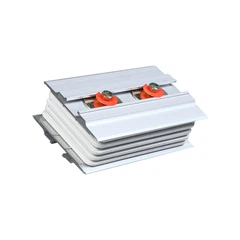
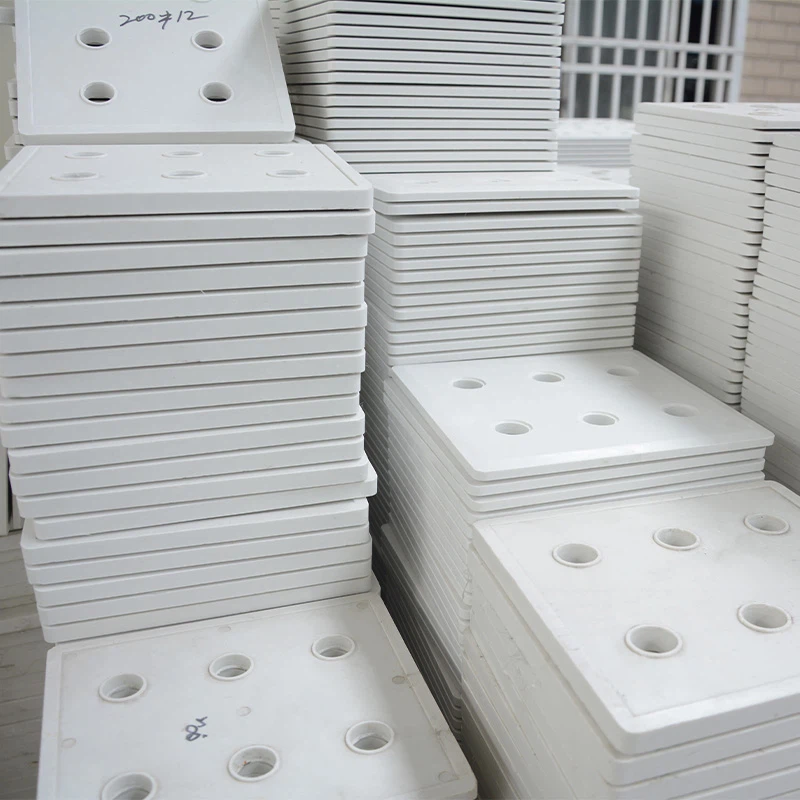
Our company offers a diverse range of Busway Tap - off Boxes, each designed to meet specific requirements. We use high - quality materials such as Copper-Clad Aluminum Conductor, Busway Connector Insulation Plate, and Tin-Plated Aluminum Busbar to ensure the reliability and durability of our products.

Why Remote Control?
The ability to remotely control a Busway Tap - off Box brings numerous benefits. Firstly, it enhances safety. In industrial settings, for example, operators can turn off power to specific tap - off boxes without having to physically access the potentially hazardous area. This reduces the risk of electrical accidents, especially in situations where there are live electrical components.
Secondly, remote control improves efficiency. Facility managers can monitor and adjust the power distribution in real - time. They can turn on or off certain loads based on the actual demand, which helps in energy conservation. For instance, during off - peak hours, non - essential loads can be easily shut down, leading to significant cost savings.
Technologies for Remote Control
Wireless Communication
One of the most common ways to achieve remote control of a Busway Tap - off Box is through wireless communication technologies. Wi - Fi is a popular choice, as it provides high - speed data transfer and is widely available in most commercial and industrial buildings. With Wi - Fi, the tap - off box can be connected to the local network, allowing users to access and control it via a smartphone, tablet, or computer.
Bluetooth is another option, especially for short - range applications. It is energy - efficient and easy to set up. However, its range is limited compared to Wi - Fi, typically up to a few meters.
ZigBee is a low - power wireless protocol that is suitable for large - scale industrial applications. It can create a mesh network, allowing multiple tap - off boxes to communicate with each other and a central control system. This makes it ideal for monitoring and controlling a large number of tap - off boxes spread across a wide area.
Internet of Things (IoT)
The IoT plays a significant role in enabling remote control of Busway Tap - off Boxes. By equipping the tap - off boxes with IoT sensors and devices, they can collect and transmit data such as voltage, current, and temperature. This data can be sent to a cloud - based platform, where it can be analyzed and used for decision - making.
For example, if the temperature inside a tap - off box exceeds a certain threshold, the IoT system can send an alert to the facility manager. The manager can then remotely shut down the box to prevent overheating and potential damage.
Cloud Computing
Cloud computing provides a scalable and cost - effective solution for storing and processing the data collected from the Busway Tap - off Boxes. With cloud - based platforms, users can access the control interface from anywhere in the world, as long as they have an internet connection. This makes it convenient for remote monitoring and control, especially for multi - site facilities.
Implementation Steps
Step 1: Select the Right Technology
The first step in achieving remote control is to select the appropriate technology based on the specific requirements of the application. Consider factors such as the range, data transfer speed, power consumption, and cost. For example, if the tap - off boxes are located in a large industrial complex, a ZigBee - based system might be more suitable.
Step 2: Install IoT Sensors and Communication Modules
Once the technology is selected, the next step is to install the necessary IoT sensors and communication modules in the Busway Tap - off Boxes. These sensors will collect data, and the communication modules will transmit the data to the central control system or the cloud.
Step 3: Develop or Choose a Control Software
A control software is required to manage and monitor the Busway Tap - off Boxes. You can either develop a custom - made software or choose an off - the - shelf solution. The software should provide a user - friendly interface for easy operation and should be able to display real - time data and alerts.
Step 4: Integration with Existing Systems
It is important to integrate the remote control system with the existing electrical and management systems in the facility. This ensures seamless operation and allows for centralized control of all electrical components.
Step 5: Testing and Maintenance
After the installation and integration, thorough testing should be conducted to ensure that the remote control system works properly. Regular maintenance is also necessary to keep the system in good condition and to address any potential issues promptly.
Conclusion
Achieving remote control of a Busway Tap - off Box is a complex but rewarding process. It offers significant benefits in terms of safety, efficiency, and energy conservation. As a Busway Tap - off Box supplier, we are committed to providing our customers with the latest technologies and solutions to meet their remote control needs.
If you are interested in our Busway Tap - off Boxes and the remote control solutions we offer, please feel free to contact us for more information and to discuss your specific requirements. We look forward to working with you to create a more intelligent and efficient electrical distribution system.
References
- Electrical Engineering Handbook, Third Edition, CRC Press
- Internet of Things: A Hands - On Approach, Packt Publishing
- Wireless Communication Networks and Systems, Prentice Hall
Send Inquiry