

How does a data center busway affect data center airflow?
Sep 17, 2026
Leave a message
Hey there! As a supplier of Data Center Busway, I've seen firsthand how crucial it is to understand the relationship between data center busways and airflow. In this blog, I'll break down how a data center busway affects data center airflow and why it matters.
Understanding Data Center Airflow Basics
Before we dive into the impact of busways, let's quickly go over the basics of data center airflow. Data centers rely on proper airflow to keep servers and other equipment cool. Hot air generated by servers needs to be removed efficiently, while cold air needs to be supplied to prevent overheating. This is typically achieved through a combination of raised floors, air conditioning units, and carefully designed airflow paths.
There are generally two main types of airflow configurations in data centers: hot aisle - cold aisle and aisle containment systems. In a hot aisle - cold aisle setup, servers are arranged in rows with hot aisles and cold aisles alternating. Cold air is supplied through the cold aisle, and hot air is exhausted into the hot aisle. Aisle containment systems take this further by physically separating the hot and cold aisles to improve airflow efficiency.
How Data Center Busway Affects Airflow
1. Physical Obstructions
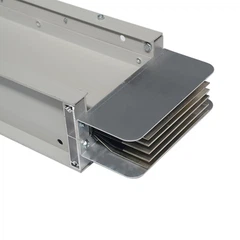
One of the most obvious ways a data center busway can affect airflow is by creating physical obstructions. Busways are large, often metal structures that are installed in the data center. If they are not properly placed, they can block the natural flow of air.
For example, if a busway is installed directly in front of a server rack's intake or exhaust vents, it can restrict the amount of cold air entering the rack or the hot air leaving it. This can lead to hotspots within the rack, causing servers to overheat and potentially fail. Even a small blockage can have a significant impact on the overall cooling efficiency of the data center.
To mitigate this issue, it's essential to carefully plan the installation of busways. They should be installed in areas where they won't interfere with the airflow paths. This might involve using overhead cabling systems or routing the busways along the edges of the data center.
2. Airflow Distribution
Data center busways can also affect the distribution of airflow. When air moves through a data center, it follows the path of least resistance. If a busway disrupts this path, it can cause uneven airflow distribution.
For instance, a large busway can create turbulence in the air as it passes by. This turbulence can cause the air to move in unpredictable directions, leading to some areas of the data center receiving more airflow than others. As a result, some servers may be over - cooled while others are under - cooled.
To ensure proper airflow distribution, busways should be designed with smooth surfaces and aerodynamic shapes. This helps to reduce turbulence and allows air to flow more evenly around the busway. Additionally, proper spacing between busways and other equipment is crucial to maintain a consistent airflow pattern.
3. Heat Generation
Busways themselves generate heat during normal operation. The electrical current flowing through the busway creates resistance, which in turn produces heat. This additional heat can add to the overall heat load in the data center and affect the airflow dynamics.
If the heat generated by the busway is not properly managed, it can contribute to the formation of hotspots. These hotspots can disrupt the normal airflow patterns and make it more difficult for the cooling systems to maintain the desired temperature.


To address this issue, busways should be designed with efficient heat dissipation mechanisms. This might include using materials with high thermal conductivity, adding cooling fins, or incorporating ventilation channels. Regular maintenance and monitoring of the busway's temperature are also important to ensure that it is operating within safe limits.
The Importance of Considering Busway Design in Airflow Management
When it comes to data center design, every component matters. The design of the busway can have a significant impact on the overall airflow and cooling efficiency of the data center. A poorly designed busway can lead to increased energy consumption, reduced equipment lifespan, and even system failures.
By working with a reputable Data Center Busway supplier like us, you can ensure that the busway is designed to minimize its impact on airflow. We take into account factors such as physical layout, airflow patterns, and heat generation when designing our busways.
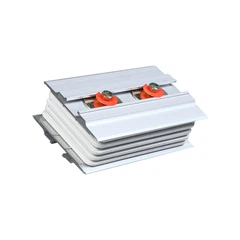
Our Lighting Bus Duct and Air Insulated Busbar products are engineered to be as aerodynamic as possible, reducing turbulence and improving airflow distribution. We also use high - quality materials that have excellent heat dissipation properties, helping to keep the heat generated by the busway under control.
Tips for Optimizing Busway Installation for Airflow
If you're planning to install a data center busway, here are some tips to help you optimize the installation for airflow:
- Plan Ahead: Before the installation, work with an experienced engineer to create a detailed layout of the data center. This layout should include the placement of the busway, server racks, and cooling equipment to ensure that there are no conflicts with the airflow paths.
- Use Proper Spacing: Make sure there is enough space between the busway and other equipment. This allows air to flow freely around the busway and prevents the formation of hotspots.
- Monitor and Maintain: Regularly monitor the temperature and airflow in the data center. If you notice any issues, such as hotspots or uneven airflow, take immediate action to correct them. This might involve adjusting the position of the busway or making changes to the cooling system.
Conclusion
In conclusion, a data center busway can have a significant impact on data center airflow. It can cause physical obstructions, disrupt airflow distribution, and add to the heat load in the data center. However, by carefully considering the design and installation of the busway, these issues can be minimized.
As a Data Center Busway supplier, we understand the importance of proper airflow management in data centers. Our products are designed to meet the highest standards of quality and performance, ensuring that they have a minimal impact on airflow.
If you're in the market for a data center busway, we'd love to talk to you. Whether you're building a new data center or upgrading an existing one, our team of experts can help you find the right solution for your needs. Contact us today to start the conversation about your data center busway requirements.
References
- "Data Center Cooling Best Practices," Uptime Institute.
- "Airflow Management in Data Centers," ASHRAE.
Send Inquiry