

Can a copper bus duct system be easily modified or expanded?
Oct 21, 2025
Leave a message
Can a copper bus duct system be easily modified or expanded?
As a supplier of Copper Bus Duct, I often encounter questions from customers regarding the flexibility of copper bus duct systems, especially when it comes to modification and expansion. In this blog post, I will delve into the factors that determine whether a copper bus duct system can be easily modified or expanded.
Understanding Copper Bus Duct Systems
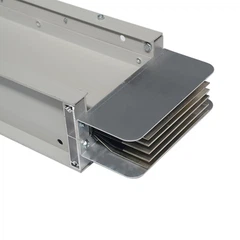
Before we discuss modification and expansion, let's briefly understand what a copper bus duct system is. A copper bus duct is an electrical distribution system that uses copper conductors to carry electric current. It consists of copper bars enclosed in a protective housing, which can be made of various materials such as steel or aluminum. Copper is a popular choice for bus ducts due to its excellent electrical conductivity, high thermal conductivity, and corrosion resistance.
Factors Affecting Modification and Expansion
Several factors influence the ease of modifying or expanding a copper bus duct system. Let's take a closer look at these factors:
Design and Configuration
The initial design and configuration of the copper bus duct system play a crucial role in determining its flexibility. A well - designed system that follows industry standards and best practices is more likely to be easily modified or expanded. For example, a modular design allows for easy addition or removal of sections. Modular bus ducts are pre - fabricated units that can be connected together, providing a high degree of flexibility. If the system is designed with future expansion in mind, such as预留 spaces for additional circuits or sections, it will be much easier to make changes later.
Electrical Load Requirements
The electrical load requirements of the system also impact its modifiability and expandability. If the existing copper bus duct system is operating close to its maximum capacity, any expansion will require careful consideration. Adding more load to an over - stressed system can lead to overheating, voltage drops, and other electrical problems. Before expanding the system, a detailed load analysis should be conducted to ensure that the existing infrastructure can handle the additional load. In some cases, it may be necessary to upgrade the bus duct to a higher - capacity model or add parallel circuits.
Physical Space and Layout
The physical space available for the bus duct system and its layout within the facility are important factors. If there is limited space, it may be difficult to add new sections or make modifications. The layout should allow for easy access to the bus duct for maintenance and expansion. Obstructions such as walls, columns, or other equipment can also pose challenges. In a complex layout, it may be necessary to re - route the bus duct or use special fittings to accommodate the changes.
Compatibility with Existing Components
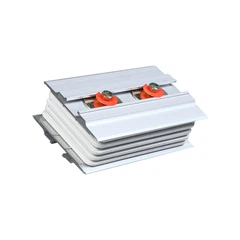
When modifying or expanding a copper bus duct system, compatibility with existing components is crucial. This includes not only the bus duct itself but also associated components such as Bus Duct Flange, connectors, and protective devices. New sections of the bus duct must be compatible with the existing ones in terms of size, rating, and connection methods. Using incompatible components can lead to poor electrical performance, increased resistance, and potential safety hazards.
Advantages of Copper Bus Ducts for Modification and Expansion
Despite the challenges mentioned above, copper bus ducts offer several advantages when it comes to modification and expansion:
High Conductivity
Copper has a very high electrical conductivity, which means that it can carry large amounts of current with relatively low resistance. This allows for more efficient power transmission and reduces the need for frequent upgrades due to increased load. When expanding the system, the high conductivity of copper ensures that the additional load can be handled effectively without significant voltage drops.


Durability and Longevity
Copper is a durable material that can withstand harsh environmental conditions and mechanical stress. A well - installed copper bus duct system can last for many years, providing a stable platform for future modifications and expansions. This durability reduces the need for frequent replacements and repairs, saving time and money in the long run.
Ease of Connection
Copper bus ducts are designed with standardized connection methods, which makes it relatively easy to connect new sections or components. Whether using bolted connections or other types of connectors, the process is straightforward and can be carried out by trained electrical technicians. This ease of connection simplifies the modification and expansion process.
Comparison with Aluminum Bus Ducts
When considering modification and expansion, it is also useful to compare copper bus ducts with Aluminum Bus Duct. Aluminum bus ducts are generally less expensive than copper bus ducts, but they have some limitations. Aluminum has a lower electrical conductivity than copper, which means that for the same current - carrying capacity, an aluminum bus duct needs to be larger in size. This can make it more difficult to fit into existing spaces or make modifications. Additionally, aluminum is more prone to corrosion in certain environments, which can affect the long - term reliability of the system. Copper bus ducts, on the other hand, offer better performance and are more suitable for applications where flexibility and long - term durability are important.
Steps for Modifying or Expanding a Copper Bus Duct System
If you decide to modify or expand your copper bus duct system, the following steps should be followed:
- Load Analysis: Conduct a detailed load analysis to determine the electrical requirements of the new load and whether the existing system can handle it.
- Design Review: Review the existing design and configuration of the bus duct system to identify the best approach for modification or expansion. Consider factors such as modularity, physical space, and compatibility.
- Component Selection: Select the appropriate bus duct sections, connectors, and other components based on the load requirements and compatibility with the existing system.
- Installation: Hire a qualified electrical contractor to carry out the installation. The installation should follow all relevant electrical codes and safety standards.
- Testing and Commissioning: After installation, conduct thorough testing of the modified or expanded system to ensure that it is operating correctly. This includes checking for proper electrical connections, voltage levels, and load distribution.
Conclusion
In conclusion, a copper bus duct system can be easily modified or expanded if certain conditions are met. A well - designed system with a modular configuration, proper consideration of electrical load requirements, sufficient physical space, and compatibility with existing components is more likely to offer flexibility. Copper bus ducts have several advantages over other materials, such as high conductivity, durability, and ease of connection, which make them a good choice for applications that may require future changes.
If you are considering modifying or expanding your copper bus duct system, or if you are in the market for a new system, I encourage you to contact us for a detailed consultation. Our team of experts can help you assess your needs, design the most suitable system, and provide high - quality copper bus duct products. We are committed to providing the best solutions for your electrical distribution requirements.
References
- IEEE Standards for Electrical Power Systems, IEEE.
- National Electrical Code (NEC), National Fire Protection Association (NFPA).
- Handbook of Electrical Engineering, various editions.
Send Inquiry