

What is the impact of moisture on the insulation of a busway connector?
Dec 12, 2025
Leave a message
Moisture is an often - overlooked yet critical factor that can significantly affect the insulation performance of busway connectors. As a reputable busway connector supplier, we have witnessed firsthand the various impacts of moisture on these essential electrical components. In this blog, we will delve into the science behind moisture's influence on busway connector insulation and discuss the implications for electrical systems.
Understanding Busway Connectors and Their Insulation
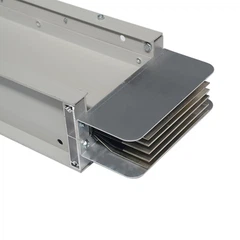
Busway connectors are crucial components in electrical distribution systems. They are used to connect different sections of busways, which are prefabricated electrical distribution systems that provide a reliable and efficient way to transmit electrical power. The insulation in busway connectors serves a vital role in preventing electrical leakage, short - circuits, and ensuring the safe operation of the entire electrical system.
There are two main types of busway connectors that we supply: Aluminum Busway Connector and Copper Busway Connector. Aluminum connectors are lightweight and cost - effective, making them suitable for many general applications. Copper connectors, on the other hand, offer better electrical conductivity and are often used in high - performance and high - current applications.


How Moisture Enters Busway Connectors
Moisture can find its way into busway connectors through several means. One common way is through condensation. When the temperature of the busway connector drops below the dew point of the surrounding air, water vapor in the air condenses on the surface of the connector. This can happen in environments with large temperature fluctuations, such as industrial facilities where equipment is frequently turned on and off.
Another way moisture can enter is through direct exposure to water. In outdoor installations or in areas prone to flooding, rain, or water splashes, busway connectors may come into contact with water. Additionally, poor installation practices, such as improper sealing of connectors or the use of substandard gaskets, can allow moisture to seep into the connector over time.
Impact of Moisture on Insulation Resistance
Insulation resistance is a key parameter used to measure the effectiveness of insulation in busway connectors. Moisture has a detrimental effect on insulation resistance. When moisture penetrates the insulation material, it provides a conductive path for electrical current. This is because water contains impurities such as dissolved salts and minerals, which can ionize and allow the flow of electrons.
As the moisture content in the insulation increases, the insulation resistance decreases. A significant reduction in insulation resistance can lead to electrical leakage. Electrical leakage not only wastes energy but also poses a safety hazard. It can cause overheating of the connector, which may further damage the insulation and increase the risk of a short - circuit.
Chemical and Physical Changes in Insulation
Moisture can also cause chemical and physical changes in the insulation material. Many insulation materials used in busway connectors are polymers. When exposed to moisture, these polymers can undergo hydrolysis, a chemical reaction in which water breaks down the polymer chains. This weakens the structure of the insulation material, reducing its mechanical strength and electrical properties.
Physically, moisture can cause swelling of the insulation material. Swelling can lead to internal stresses within the insulation, which may result in cracking or delamination. Cracks and delamination create additional paths for moisture to penetrate deeper into the insulation, exacerbating the problem.
Corrosion of Conductors
In addition to affecting the insulation, moisture can also cause corrosion of the conductors in busway connectors. Both aluminum and copper conductors are susceptible to corrosion in the presence of moisture. Aluminum forms a thin oxide layer when exposed to air, which provides some protection against corrosion. However, in the presence of moisture and certain contaminants, this oxide layer can be broken down, leading to the formation of aluminum hydroxide and other corrosion products.
Copper also corrodes in moist environments, especially when there are sulfur - containing compounds or other corrosive substances present. Corrosion of the conductors increases their electrical resistance, which can lead to increased power losses and overheating. Over time, severe corrosion can weaken the conductors, increasing the risk of mechanical failure.
Impact on Electrical Performance and System Reliability
The combined effects of reduced insulation resistance, chemical and physical changes in insulation, and conductor corrosion can have a significant impact on the electrical performance and reliability of the busway connector. As mentioned earlier, electrical leakage and overheating can lead to short - circuits, which can cause power outages and damage to electrical equipment.
In industrial settings, power outages can result in costly production downtime. In critical applications such as hospitals and data centers, a short - circuit in a busway connector can have life - threatening or data - loss consequences. Therefore, maintaining the integrity of busway connector insulation is essential for the reliable operation of electrical systems.
Mitigating the Impact of Moisture
As a busway connector supplier, we offer several solutions to mitigate the impact of moisture. Firstly, proper installation is crucial. This includes using high - quality gaskets and seals to prevent moisture from entering the connector. During installation, it is important to ensure that the connectors are properly aligned and tightened to create a good seal.
We also recommend the use of moisture - resistant insulation materials. Some insulation materials are specifically designed to have low water absorption rates and good resistance to hydrolysis. Additionally, regular maintenance and inspection of busway connectors can help detect early signs of moisture ingress and damage. This may involve measuring insulation resistance and visually inspecting the connectors for signs of corrosion or physical damage.
The Role of Busway Tap - off Box
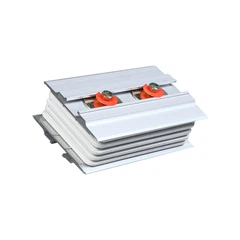
Busway tap - off boxes are an important part of the busway system. They are used to provide a connection point for electrical loads. Moisture can also affect the insulation in busway tap - off boxes. Similar to busway connectors, moisture can reduce insulation resistance, cause corrosion, and lead to electrical failures.
We supply high - quality busway tap - off boxes that are designed to be resistant to moisture. These tap - off boxes are sealed to prevent moisture ingress and are made with materials that can withstand the effects of moisture over time.
Conclusion
Moisture has a profound impact on the insulation of busway connectors. It can reduce insulation resistance, cause chemical and physical changes in the insulation material, and lead to conductor corrosion. These effects can compromise the electrical performance and reliability of the busway connector, posing safety hazards and causing costly downtime.
As a busway connector supplier, we are committed to providing high - quality products that can withstand the challenges posed by moisture. Our Aluminum Busway Connector, Copper Busway Connector, and Busway Tap - off Box are all designed with moisture resistance in mind.
If you are in need of reliable busway connectors or have any questions about the impact of moisture on your electrical system, we encourage you to contact us for a detailed discussion and to explore our product range. Our team of experts is ready to assist you in finding the best solutions for your specific needs.
References
- "Electrical Insulation Handbook", McGraw - Hill
- "Corrosion of Metals in Electrical Systems", ASM International
- "Polymer Science and Engineering", Wiley
Send Inquiry