

What is the function of a Bus Duct Tap Off Unit?
Jan 20, 2026
Leave a message
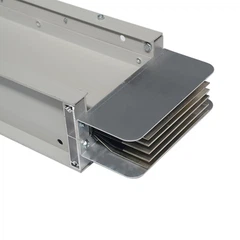
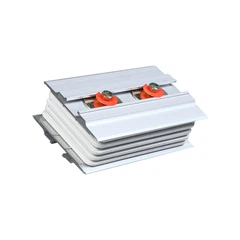
A bus duct tap off unit plays a crucial role in electrical power distribution systems. As a leading supplier of bus duct tap off units, I am well - versed in their functions and applications. In this blog, I will delve into the various functions of a bus duct tap off unit, its significance in different settings, and how it contributes to the overall efficiency and safety of electrical systems.
Basic Function: Power Extraction
The primary function of a bus duct tap off unit is to extract electrical power from a main bus duct and distribute it to various sub - circuits or electrical equipment. A main bus duct is like a large artery in an electrical system, carrying high - capacity electrical power. The tap off unit acts as a branching point, allowing for the controlled transfer of power to smaller, more localized circuits.
For example, in an industrial plant, a main bus duct may run along the length of a factory floor, supplying power to multiple production lines. Each production line may have its own set of machinery and equipment that require a specific amount of electrical power. The bus duct tap off unit is installed at strategic points along the main bus duct to draw power and direct it to these individual production lines. This ensures that each line receives the appropriate amount of power for its operation, without overloading the main bus duct.
Flexible Power Distribution
One of the key advantages of using a bus duct tap off unit is its flexibility in power distribution. Unlike traditional cable - based systems, which can be difficult to modify once installed, bus duct tap off units can be easily added, removed, or repositioned. This makes them ideal for applications where there may be changes in the electrical load or the layout of the facility over time.
In a commercial building, for instance, the electrical requirements may change as new tenants move in or as the building undergoes renovations. With a bus duct system equipped with tap off units, it is possible to quickly and easily adjust the power distribution to meet these new demands. A new office space may require additional power for computer equipment and lighting. A tap off unit can be installed on the existing bus duct to provide the necessary power, without the need for extensive rewiring.


Overcurrent Protection
Bus duct tap off units often come equipped with overcurrent protection devices, such as circuit breakers or fuses. These devices are designed to automatically interrupt the flow of electricity in the event of an overcurrent condition, such as a short - circuit or an overload. By protecting the electrical system from excessive current, the tap off unit helps prevent damage to the equipment and reduces the risk of electrical fires.
In a data center, where the reliability of the electrical supply is critical, the overcurrent protection provided by the bus duct tap off unit is essential. A short - circuit in one of the server racks could potentially cause a power outage, leading to data loss and significant financial losses. The circuit breaker in the tap off unit will trip immediately, isolating the faulty circuit and preventing the problem from spreading to the rest of the system.
Monitoring and Control
Modern bus duct tap off units can be integrated with monitoring and control systems. These systems allow for real - time monitoring of the electrical parameters, such as voltage, current, and power consumption, at each tap off point. This information can be used to optimize the power distribution, detect potential problems early, and ensure the efficient operation of the electrical system.
For example, in a large hospital, the electrical system needs to be carefully monitored to ensure the continuous operation of life - saving equipment. The monitoring system connected to the bus duct tap off units can provide detailed information about the power consumption of each department, such as the intensive care unit or the operating theater. If there is a sudden increase in power consumption, it could indicate a malfunction in the equipment, and the maintenance team can be alerted immediately.
Compatibility with Other Bus Duct Components
Bus duct tap off units are designed to be compatible with other components of the bus duct system, such as Non - Standard Bus Duct Flange End, Low Voltage Bus Duct, and Busway Horizontal Elbow. This compatibility ensures a seamless integration of the tap off unit into the overall electrical distribution system, providing a reliable and efficient power transfer.
When installing a bus duct system, the tap off unit can be easily connected to the main bus duct using the appropriate flange end. The low - voltage bus duct can be used in conjunction with the tap off unit to distribute power to low - voltage equipment, while the busway horizontal elbow can be used to change the direction of the bus duct, allowing for a more flexible layout of the electrical system.
Application in Different Industries
Bus duct tap off units find applications in a wide range of industries. In the manufacturing industry, they are used to power machinery and equipment on the production line. In the commercial sector, they are used in office buildings, shopping malls, and hotels to distribute power to lighting, HVAC systems, and other electrical loads. In the healthcare industry, they are essential for ensuring the reliable operation of medical equipment.
In the renewable energy sector, bus duct tap off units are used in solar power plants and wind farms to collect and distribute the generated electrical power. The tap off units can be installed at various points along the bus duct system to connect the solar panels or wind turbines to the main power grid.
Conclusion
In conclusion, the bus duct tap off unit is a vital component in electrical power distribution systems. Its functions, including power extraction, flexible distribution, overcurrent protection, monitoring and control, and compatibility with other components, make it an indispensable part of modern electrical infrastructure. Whether in an industrial plant, a commercial building, or a renewable energy facility, the bus duct tap off unit ensures the efficient and safe distribution of electrical power.
If you are in need of high - quality bus duct tap off units for your electrical project, we are here to help. Our products are designed to meet the highest standards of quality and performance. Contact us today to discuss your specific requirements and start the procurement process. We look forward to working with you to provide the best electrical solutions for your needs.
References
- Electrical Power Distribution Handbook by Dugan, McGranaghan, and Beaty
- Handbook of Electrical Installation Practice by IET
Send Inquiry