

What environmental protection standards should a busway connector meet?
Jun 04, 2026
Leave a message
As a supplier of busway connectors, I've seen firsthand how crucial it is for these components to meet strict environmental protection standards. In today's world, where environmental concerns are at the forefront of many industries, it's not just about functionality but also about being eco - friendly. So, what environmental protection standards should a busway connector meet? Let's dive in.


1. Material Selection
One of the first aspects to consider is the materials used in manufacturing busway connectors. The materials should be sustainable and recyclable. For instance, using aluminum in busway connectors can be a great choice. Aluminum is a highly recyclable material. Recycling aluminum requires only about 5% of the energy needed to produce new aluminum from bauxite ore. This not only reduces energy consumption but also decreases the amount of waste going to landfills.
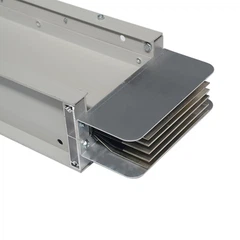
Our Aluminum Busway Connector is made from high - quality aluminum. It's designed to be durable and long - lasting, which means less frequent replacements. This reduces the overall environmental impact associated with manufacturing and disposing of busway connectors.
Another important factor in material selection is the avoidance of hazardous substances. The busway connectors should be free from substances like lead, mercury, cadmium, and hexavalent chromium. These substances are not only harmful to the environment but also pose health risks to humans. Many countries and regions have regulations in place, such as the Restriction of Hazardous Substances (RoHS) directive in the European Union, which limits the use of these hazardous materials in electrical and electronic equipment.
2. Energy Efficiency
Busway connectors play a significant role in the efficient transmission of electrical power. An efficient busway connector can reduce energy losses during power transmission. When energy losses are minimized, less electricity is wasted, which in turn reduces the demand for power generation. This has a positive impact on the environment as it reduces the emissions associated with power generation, such as carbon dioxide and other greenhouse gases.
Our busway connectors are designed with advanced technology to ensure low resistance and high conductivity. This means that they can transmit electricity more efficiently, reducing energy losses. By using our connectors, customers can not only save on energy costs but also contribute to a greener environment.
3. Packaging
The packaging of busway connectors also matters when it comes to environmental protection. The packaging should be made from sustainable materials and be designed to minimize waste. For example, using cardboard boxes made from recycled paper is a good option. These boxes can be easily recycled after use, reducing the environmental impact.
We strive to use eco - friendly packaging for our busway connectors. Our packaging is designed to be lightweight and compact, which reduces the amount of material used. Additionally, we encourage our customers to recycle the packaging materials after they receive their products.
4. End - of - Life Disposal
When a busway connector reaches the end of its useful life, it's important to ensure that it can be disposed of in an environmentally friendly way. This means that the connector should be designed for easy disassembly and recycling.
Our busway connectors are designed with modular components, which makes it easy to separate different materials for recycling. For example, the aluminum parts can be recycled and used to make new products, while other components can also be recycled or disposed of in an appropriate manner.
5. Compliance with International Standards
To ensure that our busway connectors meet the highest environmental protection standards, we comply with international standards and regulations. For example, we follow the ISO 14001 environmental management system standard. This standard helps us to manage our environmental impacts effectively, from the design and manufacturing process to the end - of - life disposal of our products.
6. Impact on Indoor Air Quality
Busway connectors are often used in indoor environments, such as commercial buildings and industrial facilities. Therefore, they should not release harmful substances into the air. The materials used in the connectors should be non - volatile and should not emit any toxic fumes. This is important for maintaining good indoor air quality, which is essential for the health and well - being of the people in the building.
Our busway connectors are tested to ensure that they meet strict indoor air quality standards. We use materials that are safe and do not pose any risk to human health.
7. Collaboration with Partners
We also believe in collaborating with our partners to improve the environmental performance of our busway connectors. We work with suppliers who share our commitment to environmental protection. For example, we source our raw materials from suppliers who use sustainable practices in their manufacturing processes.
In addition, we collaborate with research institutions and industry associations to stay updated on the latest environmental protection technologies and standards. This allows us to continuously improve our products and make them more environmentally friendly.
8. Product Lifecycle Assessment
A product lifecycle assessment (LCA) is a valuable tool for evaluating the environmental impact of a busway connector throughout its entire lifecycle, from raw material extraction to end - of - life disposal. By conducting an LCA, we can identify areas where we can reduce the environmental impact of our products.
We regularly conduct LCAs on our busway connectors to assess their environmental performance. This helps us to make informed decisions about material selection, manufacturing processes, and end - of - life management.
9. Innovation in Design
Innovation in design is key to meeting environmental protection standards. We are constantly researching and developing new designs for our busway connectors to improve their environmental performance. For example, we are exploring the use of new materials and manufacturing techniques that can reduce energy consumption and waste generation.
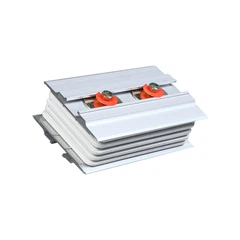
One of our innovative products is the Busway Tap - off Box. It's designed to be more energy - efficient and easier to install, which reduces the overall environmental impact.
10. Flexibility and Adaptability
Busway connectors should be flexible and adaptable to different applications. This means that they can be used in a variety of settings, which reduces the need for multiple products. By using a single, versatile busway connector, we can reduce the amount of material used and the environmental impact associated with manufacturing and transportation.
Our Flexible Aluminum Busbar is a great example of a flexible and adaptable product. It can be easily bent and shaped to fit different installation requirements, making it a more sustainable option.
In conclusion, as a busway connector supplier, we are committed to meeting the highest environmental protection standards. By focusing on material selection, energy efficiency, packaging, end - of - life disposal, and compliance with international standards, we can ensure that our products are not only functional but also environmentally friendly.
If you're interested in our busway connectors and want to learn more about how they meet environmental protection standards, or if you're looking to make a purchase, feel free to reach out to us. We're here to provide you with the best products and solutions for your needs.
References
- ISO 14001:2015 Environmental management systems - Requirements with guidance for use
- Restriction of Hazardous Substances (RoHS) Directive
- Various industry reports on sustainable manufacturing and environmental protection in the electrical industry.
Send Inquiry