

What cleaning agents can be used for a Bus Duct Tap Off Unit?
Aug 18, 2025
Leave a message
As a leading supplier of Bus Duct Tap Off Units, I often receive inquiries from customers about the proper cleaning agents to use for maintaining these crucial components of electrical distribution systems. In this blog post, I'll share insights into the suitable cleaning agents for Bus Duct Tap Off Units, ensuring their optimal performance and longevity.
Understanding the Bus Duct Tap Off Unit
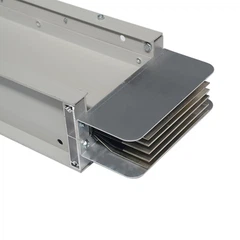
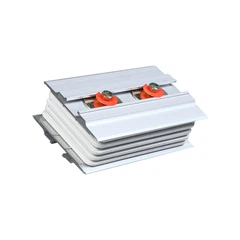
Before delving into the cleaning agents, it's essential to understand the Bus Duct Tap Off Unit. This unit is a vital part of a bus duct system, which is used to distribute electrical power efficiently. The tap off unit allows for the connection of electrical loads at various points along the bus duct. It consists of electrical conductors, insulation materials, and mechanical components that need to be kept clean to prevent electrical failures and ensure safety.
Factors to Consider When Choosing Cleaning Agents
When selecting cleaning agents for Bus Duct Tap Off Units, several factors must be considered:
- Compatibility with Materials: The cleaning agent should be compatible with the materials used in the tap off unit, such as copper or aluminum conductors, insulation materials, and metal enclosures. Incompatible cleaning agents can cause corrosion, damage to insulation, or other issues that may compromise the performance and safety of the unit.
- Electrical Conductivity: The cleaning agent should not leave behind any conductive residues that could cause short circuits or other electrical problems. It should be non - conductive and dry quickly to minimize the risk of electrical hazards.
- Safety: The cleaning agent should be safe to use, both for the personnel performing the cleaning and for the environment. It should not contain toxic or flammable substances that could pose a risk during the cleaning process.
- Effectiveness: The cleaning agent should be effective in removing dirt, dust, grease, and other contaminants that can accumulate on the tap off unit over time. It should be able to penetrate and dissolve stubborn stains without causing damage to the unit.
Suitable Cleaning Agents
Isopropyl Alcohol
Isopropyl alcohol is a commonly used cleaning agent for electrical components, including Bus Duct Tap Off Units. It has several advantages:
- High Volatility: Isopropyl alcohol evaporates quickly, leaving no residue behind. This is important to prevent any conductive or corrosive substances from remaining on the unit.
- Good Solvency: It can dissolve a wide range of contaminants, such as grease, oil, and dirt. It can effectively clean the surfaces of conductors and insulation materials without causing damage.
- Non - Conductive: Isopropyl alcohol is non - conductive, which means it does not pose a risk of short circuits or other electrical problems.
- Safety: It is relatively safe to use, although proper ventilation should be ensured as it has a strong odor and can be flammable in high concentrations.
To use isopropyl alcohol for cleaning, soak a clean, lint - free cloth in the alcohol and gently wipe the surfaces of the tap off unit. Avoid using excessive amounts of alcohol, especially on insulation materials, to prevent damage.
Deionized Water
Deionized water is another suitable cleaning agent for Bus Duct Tap Off Units. It has the following benefits:
- Purity: Deionized water is free from impurities and minerals that could leave behind residues or cause corrosion. It is a clean and safe option for cleaning electrical components.
- Non - Conductive: When used properly, deionized water is non - conductive. However, it is important to ensure that the unit is completely dry after cleaning to prevent any electrical issues.
- Environmentally Friendly: Deionized water is an environmentally friendly option as it does not contain any harmful chemicals.
To clean with deionized water, use a spray bottle to apply a fine mist of water to the surfaces of the tap off unit. Then, use a clean, lint - free cloth to wipe away the dirt and moisture. Make sure to dry the unit thoroughly using compressed air or a low - heat dryer.
Specialized Electrical Contact Cleaners
There are also specialized electrical contact cleaners available in the market. These cleaners are formulated specifically for cleaning electrical contacts and components. They have the following features:
- Targeted Cleaning: They are designed to remove oxidation, dirt, and other contaminants from electrical contacts, ensuring good electrical conductivity.
- Fast - Drying: They dry quickly, minimizing the downtime of the tap off unit during the cleaning process.
- Non - Corrosive: They are non - corrosive to the materials used in the tap off unit, such as copper and aluminum.
When using specialized electrical contact cleaners, follow the manufacturer's instructions carefully. Usually, you can spray the cleaner directly onto the contacts and then wipe them clean with a lint - free cloth.


Cleaning Process
The cleaning process for Bus Duct Tap Off Units should be carried out carefully to ensure safety and effectiveness:
- Power Off: Before starting the cleaning process, make sure the power to the tap off unit is completely turned off. This is to prevent any electrical shocks or short circuits during cleaning.
- Inspection: Inspect the tap off unit for any visible damage, such as cracks in the insulation or loose connections. If any damage is found, it should be repaired before cleaning.
- Surface Cleaning: Use the selected cleaning agent and a clean, lint - free cloth to gently wipe the surfaces of the tap off unit, including the conductors, insulation, and enclosures. Pay special attention to areas where dirt and contaminants are likely to accumulate, such as corners and joints.
- Contact Cleaning: If using a specialized electrical contact cleaner, apply it to the electrical contacts and clean them thoroughly to ensure good electrical conductivity.
- Drying: After cleaning, make sure the tap off unit is completely dry. You can use compressed air or a low - heat dryer to speed up the drying process.
- Re - Inspection: Once the unit is dry, re - inspect it to ensure that all dirt and contaminants have been removed and that there are no signs of damage.
- Power On: After the cleaning and inspection are completed, you can turn the power back on to the tap off unit.
Related Products
In addition to Bus Duct Tap Off Units, we also offer a range of related products, such as Non-Standard Bus Duct Flange End, Rising Mains Bus Duct, and Busway Junction. These products are designed to work together to provide a comprehensive electrical distribution solution.
Contact for Procurement
If you are interested in purchasing Bus Duct Tap Off Units or any of our related products, or if you have any questions about cleaning and maintenance, please feel free to contact us. We are committed to providing high - quality products and excellent customer service. Our team of experts is ready to assist you with your specific needs and requirements.
References
- Electrical Installation Handbook, Schneider Electric
- National Electrical Code (NEC)
Send Inquiry