

What chemical - resistance requirements should a busway connector meet in a chemical plant?
Sep 16, 2025
Leave a message
When it comes to electrical distribution systems in a chemical plant, busway connectors play a crucial role. These connectors are responsible for safely and efficiently transferring electrical power within the complex network of a chemical facility. However, the harsh chemical environment in a chemical plant poses unique challenges to the performance and longevity of busway connectors. In this blog, as a busway connector supplier, I will discuss the chemical - resistance requirements that a busway connector should meet in a chemical plant.
Understanding the Chemical Environment in a Chemical Plant
Chemical plants are filled with a wide variety of chemicals, including acids, alkalis, solvents, and corrosive gases. These substances can have a detrimental impact on the materials used in busway connectors. For example, strong acids can corrode metal components, while solvents can dissolve or swell certain types of plastics. Moreover, the presence of moisture in combination with these chemicals can accelerate the corrosion process.
The specific chemicals present in a chemical plant depend on the type of production processes. For instance, a plant producing fertilizers may have high concentrations of ammonia and sulfuric acid, while a petrochemical plant may be exposed to hydrocarbons and various organic solvents. Therefore, it is essential to have a detailed understanding of the chemical environment before selecting a busway connector.
Key Chemical - Resistance Requirements
Resistance to Corrosion
One of the most critical requirements for busway connectors in a chemical plant is corrosion resistance. Metals such as copper and aluminum are commonly used in busway connectors due to their excellent electrical conductivity. However, they are also susceptible to corrosion in the presence of certain chemicals.
Stainless steel is often a preferred choice for the outer housing of busway connectors in corrosive environments. It has a high resistance to oxidation and can withstand the attack of many acids and alkalis. Additionally, the metal components can be coated with anti - corrosion materials such as zinc or nickel to provide an extra layer of protection.
For the conductive parts, copper connectors can be tin - plated. Tin plating not only enhances the corrosion resistance but also improves the electrical contact performance. Aluminum connectors, on the other hand, can be anodized. Anodizing creates a protective oxide layer on the surface of the aluminum, which helps to prevent corrosion.
Resistance to Chemical Solvents
Chemical solvents are widely used in chemical plants for cleaning, extraction, and other processes. Busway connectors need to be resistant to these solvents to maintain their structural integrity and electrical performance.
Plastic materials used in busway connectors, such as the insulation and housing, should be carefully selected. For example, polyvinyl chloride (PVC) is a common insulation material, but it may not be suitable in environments where it is exposed to certain solvents. Instead, materials like polyethylene (PE) or polypropylene (PP) have better resistance to a wide range of solvents.
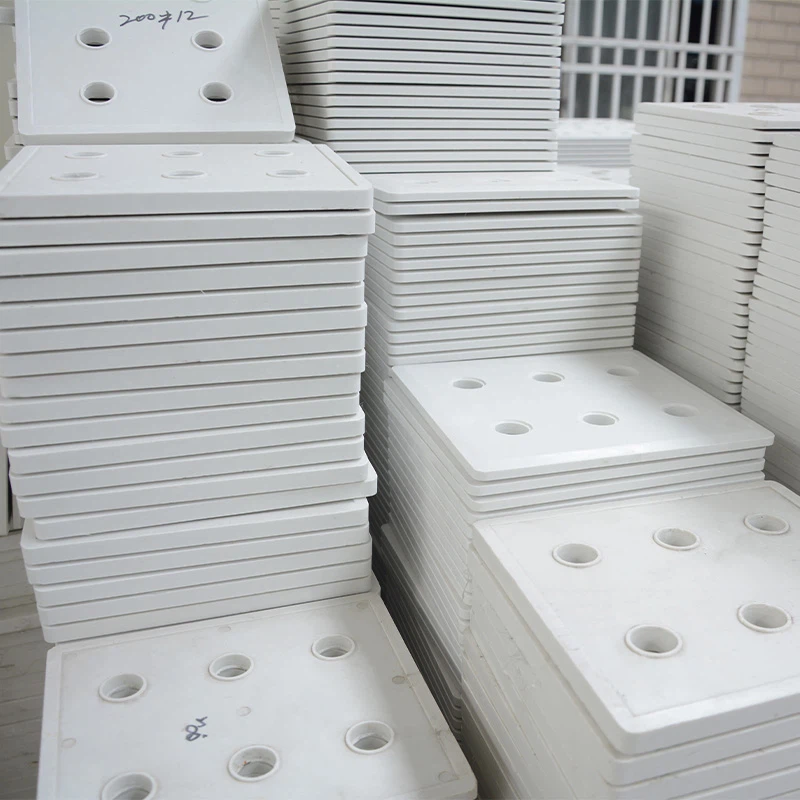
The Busway Connector Insulation Plate we supply is made of high - quality insulation materials that are resistant to many common chemical solvents. This ensures that the electrical insulation properties of the connector are not compromised even in the presence of solvents.
Resistance to Acid and Alkali
Acids and alkalis are two of the most common types of chemicals in a chemical plant. Busway connectors need to be able to withstand the corrosive effects of these substances.
In acidic environments, connectors made of materials that are resistant to acid attack, such as certain grades of stainless steel and acid - resistant plastics, should be used. For alkaline environments, materials that can resist the action of alkalis, like some types of ceramics and specific polymers, are more appropriate.
It is also important to consider the pH level and concentration of the acid or alkali. High - concentration acids or alkalis can be more aggressive and may require more robust chemical - resistant materials.
Resistance to Oxidizing and Reducing Agents
Oxidizing agents, such as chlorine and hydrogen peroxide, can cause oxidation of the metal components in busway connectors. Reducing agents, on the other hand, can react with the metal oxides and cause further corrosion.
To resist the effects of oxidizing and reducing agents, the metal surfaces of the connectors can be passivated. Passivation is a process that creates a thin, protective layer on the metal surface, which reduces the reactivity of the metal with the surrounding chemicals.
Impact of Chemical Resistance on Electrical Performance
The chemical resistance of busway connectors is not only important for their physical durability but also for their electrical performance. Corrosion or damage to the connector due to chemical exposure can lead to increased electrical resistance.
Increased electrical resistance can cause overheating, which is a significant safety hazard in a chemical plant. Overheating can also lead to premature failure of the connector and disrupt the electrical supply to critical equipment.
Moreover, if the insulation material is damaged by chemicals, it can result in electrical leakage. Electrical leakage not only wastes energy but also poses a risk of electrical shock and fire. Therefore, maintaining the chemical resistance of busway connectors is essential for ensuring safe and efficient electrical distribution in a chemical plant.
Our Product Solutions
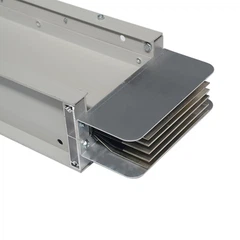
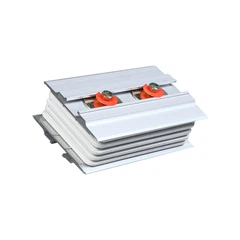
As a busway connector supplier, we offer a range of products that are designed to meet the chemical - resistance requirements in a chemical plant. Our Flexible Aluminum Busbar is made of high - quality aluminum with an anodized surface treatment, providing excellent corrosion resistance. It is also flexible, which makes it easier to install in complex electrical systems.
Our Busway Tap - off Box is constructed with a stainless - steel housing, which can withstand the harsh chemical environment. The internal components are carefully selected and protected to ensure long - term performance.
We also provide customized solutions based on the specific chemical environment of each chemical plant. Our team of experts can work closely with you to analyze the chemical risks and recommend the most suitable busway connectors.
Conclusion
In a chemical plant, the chemical - resistance requirements for busway connectors are of utmost importance. From corrosion resistance to resistance against solvents, acids, alkalis, and oxidizing/reducing agents, every aspect needs to be carefully considered.
As a busway connector supplier, we are committed to providing high - quality products that can meet these requirements. Our products are designed to ensure the safety, reliability, and efficiency of electrical distribution in chemical plants.
If you are looking for busway connectors for your chemical plant, we invite you to contact us for a detailed discussion. Our team of experts will be happy to assist you in selecting the most appropriate connectors for your specific needs.

References
- "Electrical Installation in Chemical Plants: A Guide to Safety and Performance", Industrial Electrical Handbook, 2022.
- "Corrosion Resistance of Metals in Chemical Environments", Journal of Materials Science and Engineering, Vol. 35, 2021.
- "Plastic Materials for Electrical Insulation in Harsh Chemical Environments", Polymer Science Review, Vol. 22, 2020.
Send Inquiry