

What are the standards for Aluminum Bus Duct?
Aug 18, 2026
Leave a message
Hey there! I'm an aluminum bus duct supplier, and today I wanna chat about the standards for aluminum bus ducts. It's super important, whether you're an electrical engineer planning a new project, a contractor looking for reliable components, or a facility manager making sure your electrical system runs smoothly.
Let's start by understanding what aluminum bus ducts are. They're basically a way to distribute electric power, kind of like a highway system but for electricity. Instead of cars, it's electrical currents that flow through these channels. Aluminum is a popular choice because it's lightweight, corrosion - resistant, and has good conductivity.
Electrical Performance Standards
One of the most crucial aspects of aluminum bus ducts is their electrical performance. First off, we've got the current - carrying capacity. This is how much electrical current the bus duct can handle without overheating. It's like the maximum number of cars a highway lane can accommodate without causing a traffic jam. A bus duct with a higher current - carrying capacity can support more electrical loads. For example, our 4000a Bus Duct is designed to handle a hefty 4000 amperes of current. That's a lot of power!
Voltage drop is another key factor. When electricity flows through a conductor, there's a small loss of voltage. In a bus duct, the voltage drop needs to be within an acceptable range. If the voltage drop is too high, it can lead to problems like reduced efficiency of electrical equipment and even malfunctions. Standards typically specify a maximum allowable voltage drop, usually expressed as a percentage of the total voltage.
Mechanical Standards
Aluminum bus ducts also need to meet certain mechanical standards. They have to be strong enough to withstand the physical stresses they'll face during installation, operation, and even in case of an earthquake or other external forces.
The housing of the bus duct is extremely important. It should provide proper protection for the conductors inside. The housing material should be tough and durable, able to resist impacts and prevent moisture and dust from getting in. Some bus ducts come with special coatings to enhance their corrosion resistance, which is especially important in harsh environments.
The connections between different sections of the bus duct are also critical. They need to be secure and reliable. Loose connections can lead to arcing, which is not only a fire hazard but can also cause damage to the bus duct and other electrical components. There are specific standards for the design and installation of these connections to ensure they are safe and effective.
Safety Standards
Safety is a top priority when it comes to electrical systems, and aluminum bus ducts are no exception. They must comply with various safety standards to protect people and property.
One important safety aspect is insulation. The conductors inside the bus duct need to be properly insulated to prevent electrical shocks. The insulation material should have good dielectric strength and be able to withstand high temperatures.
Grounding is also essential. A proper grounding system ensures that any stray electrical currents are safely diverted to the ground, reducing the risk of electrical shocks and equipment damage. Standards specify the requirements for grounding conductors and how they should be installed.


Environmental Standards
Aluminum bus ducts may be used in a wide range of environments, from clean indoor spaces to harsh industrial settings. So, they need to meet environmental standards.
In areas with high humidity or exposure to chemicals, the bus ducts need to be able to resist corrosion. This often involves using special alloys or coatings on the aluminum. For outdoor applications, the bus ducts need to be weather - resistant, able to withstand rain, snow, and UV radiation.
Customization and Non - Standard Requirements
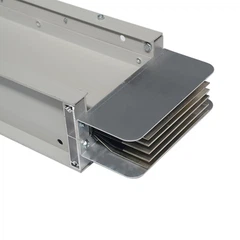
Sometimes, standard bus ducts just won't cut it. That's where customization comes in. We offer Non - Standard Bus Duct Flange End options to meet specific project requirements. Maybe you need a unique shape or size for a tight - fitting installation, or perhaps you have special electrical performance needs. We can work with you to design and manufacture bus ducts that meet those non - standard requirements.
Another type of bus duct that might be of interest is the Phase Segregated Bus Duct. This type of bus duct is designed to keep the different phases of electricity separate, which can be beneficial in certain applications, especially those with high - power requirements.
Why Choose Our Aluminum Bus Ducts?
As a supplier, we've got a lot to offer. Our products are made with high - quality materials and follow all the relevant industry standards. We've got a team of experienced engineers who are always ready to help you choose the right bus duct for your project. Whether you need a standard product or a customized solution, we've got you covered.
We also provide excellent after - sales service. If you have any questions or run into any issues with our bus ducts, our support team is just a call or an email away. We understand that your electrical system is critical to your operations, and we're committed to making sure it runs smoothly.
Connect with Us for Procurement
If you're in the market for aluminum bus ducts, I'd love to chat with you. We can discuss your specific needs, provide you with detailed product information, and give you a competitive quote. Whether you're working on a small - scale project or a large industrial installation, we have the right solution for you.
Don't hesitate to reach out. Let's work together to make sure your electrical distribution system is reliable, efficient, and safe.
References
- Electrical Safety Standards Handbook
- Aluminum Alloy Manufacturing Guidelines
- Bus Duct Design and Installation Manual
Send Inquiry