

What are the requirements for the insulation material of copper bus ducts?
Oct 27, 2026
Leave a message
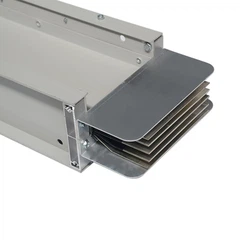
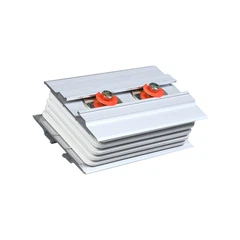
As a supplier of Copper Bus Ducts, I understand the critical role that insulation materials play in ensuring the safety, efficiency, and longevity of these essential electrical components. Copper bus ducts are widely used in various industries to distribute electrical power, and the quality of the insulation material directly impacts their performance. In this blog post, I will discuss the key requirements for the insulation material of copper bus ducts.


Electrical Insulation Properties
One of the primary requirements for the insulation material of copper bus ducts is excellent electrical insulation properties. The insulation must be able to withstand the electrical voltage applied to the bus duct without breaking down. This is crucial for preventing electrical short - circuits, which can lead to equipment damage, power outages, and even pose a safety hazard.
The insulation resistance of the material should be high. A high insulation resistance means that very little electrical current can flow through the insulation, ensuring that the electrical power is properly conducted through the copper conductors and not leaked through the insulation. For example, in a low - voltage bus duct system, the insulation should have a resistance value that meets the relevant industry standards. You can learn more about low - voltage bus duct systems at Low Voltage Bus Duct.
Dielectric strength is another important electrical property. It is defined as the maximum electric field that an insulating material can withstand without experiencing electrical breakdown. A high dielectric strength allows the insulation to handle higher voltages without failure. Insulation materials with good dielectric strength are essential for copper bus ducts used in high - voltage applications.
Thermal Performance
Copper bus ducts generate heat during normal operation due to the flow of electrical current through the copper conductors. The insulation material must be able to withstand this heat without degrading its properties. High - temperature resistance is a key requirement. The insulation should be able to maintain its electrical and mechanical properties at the operating temperatures of the bus duct.
The thermal conductivity of the insulation material is also important. While the insulation is meant to prevent the flow of electricity, it should also have a certain level of thermal conductivity to dissipate the heat generated in the bus duct. This helps to prevent overheating, which can reduce the lifespan of the insulation and the copper conductors. For example, some advanced insulation materials are designed to have optimized thermal conductivity to ensure efficient heat transfer away from the conductors.
Mechanical Strength
The insulation material of copper bus ducts needs to have sufficient mechanical strength to withstand various stresses during installation, operation, and maintenance. It should be able to resist impacts, vibrations, and bending without cracking or breaking. This is important because any damage to the insulation can compromise its electrical insulation properties and lead to safety issues.
In addition, the insulation should have good adhesion to the copper conductors. A strong bond between the insulation and the conductors helps to maintain the integrity of the bus duct system and prevents the ingress of moisture and contaminants, which can cause corrosion and degradation of the materials.
Chemical Resistance
The insulation material may be exposed to various chemicals in different industrial environments. It should have good chemical resistance to prevent damage from chemicals such as acids, alkalis, solvents, and oils. Chemical attack can deteriorate the insulation material, reducing its electrical and mechanical properties.
For example, in a manufacturing plant where chemicals are used in the production process, the insulation of the copper bus ducts must be able to withstand potential chemical spills or vapors. This ensures the long - term reliability of the bus duct system in harsh chemical environments.
Flame Resistance
Flame resistance is a crucial safety requirement for the insulation material of copper bus ducts. In the event of a fire, the insulation should not contribute to the spread of the fire. It should have a high ignition temperature and be self - extinguishing. This helps to prevent the fire from spreading quickly through the electrical system and reduces the risk of property damage and personal injury.
Many countries and industries have specific standards for the flame resistance of electrical insulation materials. The insulation material used in copper bus ducts should meet these standards to ensure the safety of the electrical installation.
Moisture Resistance
Moisture can have a significant impact on the performance of the insulation material. When moisture penetrates the insulation, it can reduce the insulation resistance, increase the risk of electrical breakdown, and cause corrosion of the copper conductors. Therefore, the insulation material should have good moisture resistance.
Some insulation materials are designed with a protective coating or a waterproof structure to prevent moisture from entering. In high - humidity environments or outdoor applications, the importance of moisture - resistant insulation cannot be overstated. For enclosed bus ducts, which are often used in various environments, moisture resistance is a key consideration. You can find more information about enclosed bus ducts at Enclosed Busduct.
Environmental Compatibility
In today's environmentally conscious world, the insulation material should be environmentally compatible. It should be free from harmful substances such as lead, mercury, and other heavy metals. These substances can have a negative impact on the environment when the bus duct is disposed of at the end of its life cycle.
In addition, the manufacturing process of the insulation material should be as environmentally friendly as possible, minimizing energy consumption and waste generation.
Compatibility with Copper
The insulation material must be chemically and physically compatible with copper. There should be no chemical reaction between the insulation and the copper conductors that could lead to corrosion or degradation of the materials. A compatible insulation material ensures a long - lasting and stable electrical connection between the insulation and the copper.
Conclusion
In conclusion, the insulation material of copper bus ducts needs to meet a wide range of requirements in terms of electrical insulation, thermal performance, mechanical strength, chemical resistance, flame resistance, moisture resistance, environmental compatibility, and compatibility with copper. As a Copper Bus Duct supplier, we are committed to using high - quality insulation materials that meet all these requirements to provide our customers with reliable and safe electrical distribution solutions.
If you are in the market for copper bus ducts or have any questions about our products, we invite you to contact us for a detailed discussion. Our team of experts is ready to assist you in finding the best solutions for your specific needs. Contact us today to start the procurement negotiation process and take a step towards a more efficient and reliable electrical system.
References
- Electrical Insulation Handbook, Various Authors
- Standards for Electrical Bus Ducts, Industry Standards Organizations
Send Inquiry