

What are the installation tools needed for sandwich busduct?
Aug 06, 2025
Leave a message
Hey there! As a supplier of sandwich busduct, I often get asked about the installation tools needed for this nifty electrical distribution solution. In this blog post, I'm gonna walk you through all the essential tools you'll need to install sandwich busduct like a pro.
Let's start with the basics. Before you even think about picking up a tool, you gotta make sure you've got a proper installation plan. This includes measuring the space where the busduct will be installed, checking for any potential obstacles, and ensuring that the electrical system is compatible with the busduct. Once you've got all that sorted, it's time to gather your tools.
Measuring Tools
First off, you'll need some measuring tools to ensure that the busduct is installed accurately. A tape measure is a must-have. You'll use it to measure the length, width, and height of the installation area, as well as the dimensions of the busduct itself. Make sure to get a good-quality tape measure that's long enough to reach all the places you need to measure.
A laser level is also super useful. It helps you ensure that the busduct is installed perfectly straight and level. This is crucial for the proper functioning of the busduct and for preventing any potential safety hazards. With a laser level, you can easily project a straight line onto the wall or ceiling, making it easier to align the busduct.
Cutting Tools
Next up, cutting tools. Depending on the type of busduct you're installing, you may need to cut it to fit the installation space. A hacksaw is a common tool for cutting busduct. It's relatively easy to use and can cut through most types of busduct materials. However, if you're dealing with thicker or tougher materials, you might want to consider using a power saw, such as a circular saw or a reciprocating saw.
Just make sure to use the right blade for the job. For example, if you're cutting copper busduct, you'll need a blade that's designed for cutting metal. Using the wrong blade can not only damage the busduct but also pose a safety risk.
Fastening Tools
Once you've got the busduct cut to the right size, you'll need to fasten it in place. Screwdrivers are essential for this task. You'll need both flathead and Phillips head screwdrivers, depending on the type of screws used in the busduct installation. Make sure to choose screwdrivers with the right size and shape to fit the screws properly.
Wrenches are also important. You'll use them to tighten nuts and bolts that hold the busduct together and secure it to the mounting brackets. There are different types of wrenches, such as adjustable wrenches and socket wrenches. It's a good idea to have a set of wrenches in different sizes to cover all your needs.
Testing Tools
After the busduct is installed, you need to test it to make sure it's working properly. A multimeter is a must-have testing tool. It can measure voltage, current, and resistance, allowing you to check the electrical performance of the busduct. Make sure to follow the manufacturer's instructions when using a multimeter to ensure accurate readings.
A circuit tester is also useful. It can quickly tell you if there's power flowing through the busduct and if the circuit is complete. This is important for identifying any potential electrical problems before they become serious.
Specialized Tools
In addition to the basic tools, there are some specialized tools that you might need for specific busduct installation tasks. For example, if you're installing a Non-Standard Bus Duct Flange End, you may need a flange alignment tool to ensure that the flanges are properly aligned.
If you're working with a High Current Busbar, you might need a torque wrench to tighten the bolts to the correct torque specification. This is crucial for ensuring a secure and reliable connection, especially in high-current applications.
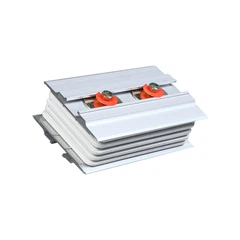
A bus duct tap-off unit, like the one described in Bus Duct Tap Off Unit, may require specialized tools for installation. These tools are designed to make the installation process easier and more efficient, ensuring that the tap-off unit is installed correctly.
Safety Equipment
Last but not least, safety equipment. Installing busduct can be a dangerous job, so it's important to wear the right safety gear. Safety glasses protect your eyes from flying debris, such as metal shavings or dust. Gloves are also essential to protect your hands from cuts, burns, and electrical shocks.
A hard hat is a must if you're working in an area where there's a risk of falling objects. And if you're working at heights, make sure to wear a safety harness and use a proper scaffolding or ladder.
Conclusion
So, there you have it – all the essential installation tools you need for sandwich busduct. Having the right tools not only makes the installation process easier and more efficient but also ensures that the busduct is installed correctly and safely.


If you're in the market for sandwich busduct or need more information about installation tools, feel free to reach out. We're here to help you with all your busduct needs. Whether you're a professional electrician or a DIY enthusiast, we've got the expertise and the products to get the job done right.
References
- Electrical Installation Handbook, Various Authors
- Bus Duct Installation Guide, Manufacturer's Manuals
Send Inquiry