

What are the electromagnetic interference characteristics of an underground bus duct?
Jul 13, 2026
Leave a message
Hey there, folks! As a supplier of underground bus ducts, I've been getting a lot of questions lately about the electromagnetic interference (EMI) characteristics of these nifty pieces of equipment. So, I thought I'd take a few minutes to break it down for you and share some insights based on my experience in the industry.
First off, let's talk about what electromagnetic interference is. In a nutshell, EMI is the disturbance that affects an electrical circuit due to either electromagnetic induction or electromagnetic radiation emitted from an external source. This can cause all sorts of problems, from minor glitches in electronic devices to major malfunctions in critical systems.
Now, when it comes to underground bus ducts, they're not immune to EMI. In fact, they can both generate and be affected by it. Let's start by looking at how underground bus ducts can generate EMI.
Generation of EMI in Underground Bus Ducts
One of the main ways underground bus ducts generate EMI is through the flow of current. When current flows through the conductors in a bus duct, it creates a magnetic field around them. If the current is alternating (AC), which is the case in most power distribution systems, the magnetic field will also change direction periodically. This changing magnetic field can induce currents in nearby conductors, which can then lead to EMI.
Another source of EMI in underground bus ducts is corona discharge. Corona discharge occurs when the electric field around a conductor is strong enough to ionize the surrounding air. This ionization can create a plasma, which can emit electromagnetic radiation. Corona discharge is more likely to occur in high-voltage systems or in areas where the insulation of the bus duct is damaged.
The design of the bus duct can also play a role in generating EMI. For example, if the bus duct has sharp edges or irregularities, it can cause the electric field to be concentrated in certain areas. This can increase the likelihood of corona discharge and the generation of EMI.
Susceptibility to EMI in Underground Bus Ducts
On the other hand, underground bus ducts can also be susceptible to EMI from external sources. One of the main external sources of EMI is radio frequency interference (RFI). RFI can be generated by a variety of sources, such as radio and television transmitters, mobile phones, and wireless networks.
When RFI reaches an underground bus duct, it can induce currents in the conductors. These induced currents can interfere with the normal operation of the bus duct and the equipment connected to it. For example, they can cause voltage fluctuations, which can damage sensitive electronic devices.
Another external source of EMI is electromagnetic pulses (EMPs). EMPs can be generated by natural phenomena, such as lightning strikes, or by man-made sources, such as nuclear explosions or electromagnetic weapons. EMPs are short-duration, high-intensity pulses of electromagnetic radiation that can cause significant damage to electrical and electronic systems.
Underground bus ducts can also be affected by EMI from other electrical equipment in the vicinity. For example, large motors, transformers, and generators can generate strong magnetic fields that can interfere with the operation of the bus duct.
Mitigating EMI in Underground Bus Ducts
So, what can be done to mitigate the EMI characteristics of underground bus ducts? Well, there are several strategies that can be employed.
One of the most effective ways to reduce EMI is through proper shielding. Shielding involves enclosing the bus duct in a conductive material, such as copper or aluminum. The shielding material acts as a Faraday cage, which blocks the electromagnetic fields from entering or leaving the bus duct. This can significantly reduce both the generation and susceptibility of EMI.
Another strategy is to use filters. Filters can be installed in the bus duct to block or attenuate specific frequencies of EMI. For example, low-pass filters can be used to block high-frequency RFI, while high-pass filters can be used to block low-frequency interference.
Proper grounding is also essential for reducing EMI. Grounding provides a path for the electrical currents generated by EMI to flow safely to the ground, rather than interfering with the operation of the bus duct.
In addition to these technical solutions, it's also important to consider the installation and maintenance of the underground bus duct. For example, the bus duct should be installed away from sources of EMI, such as radio transmitters and large electrical equipment. Regular maintenance should also be performed to ensure that the insulation of the bus duct is in good condition and that there are no signs of corona discharge.
Our Products and EMI
At our company, we understand the importance of minimizing EMI in our underground bus ducts. That's why we've designed our products with several features to reduce both the generation and susceptibility of EMI.

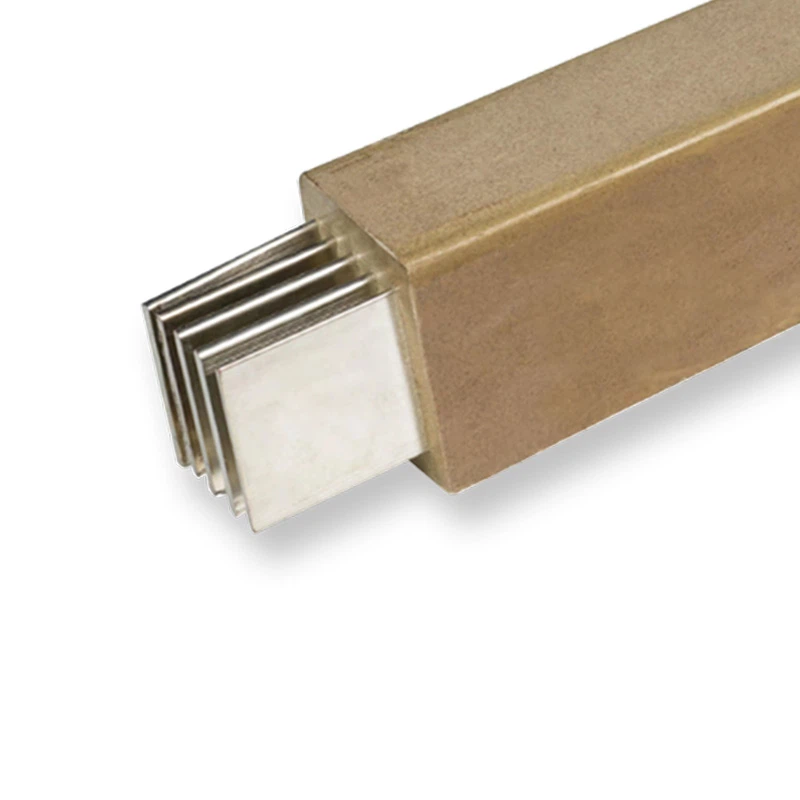
Our Cast Resin Busduct Feeder Unit is made with high-quality epoxy resin, which provides excellent insulation and shielding properties. The resin also helps to prevent corona discharge, which can reduce the generation of EMI.
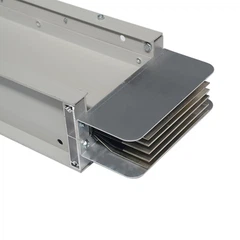
Our 3-Phase Cast Resin Busduct is designed with a symmetrical layout, which helps to balance the magnetic fields and reduce the generation of EMI. The bus duct is also shielded with a conductive layer, which provides additional protection against external EMI.
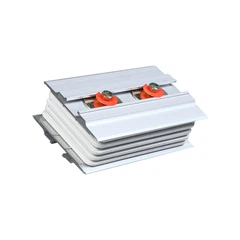
Our Dual-Conductor Cast Resin Busduct is another great option for reducing EMI. The dual-conductor design helps to cancel out the magnetic fields generated by the current flow, which can significantly reduce the generation of EMI.
Contact Us for Your Bus Duct Needs
If you're in the market for underground bus ducts and are concerned about EMI, we'd love to hear from you. Our team of experts can help you choose the right product for your specific needs and provide you with all the information you need to ensure that your bus duct system is operating efficiently and safely.
Whether you're working on a small commercial project or a large industrial installation, we have the products and expertise to meet your requirements. So, don't hesitate to reach out to us and start the conversation. We're here to help you find the best solution for your electromagnetic interference challenges.
References
- Grover, F. W. (1946). Inductance Calculations: Working Formulas and Tables. Dover Publications.
- Paul, C. R. (2006). Introduction to Electromagnetic Compatibility. John Wiley & Sons.
- Ott, H. W. (2009). Electromagnetic Compatibility Engineering. Wiley-IEEE Press.
Send Inquiry