

What are the disadvantages of a Busway Feeder Box?
Aug 28, 2025
Leave a message
When it comes to electrical distribution systems, Busway Feeder Boxes play a crucial role. As a supplier of Busway Feeder Boxes, I've had the opportunity to closely observe their functionality, advantages, and, of course, their disadvantages. In this blog, I'll delve into the drawbacks of Busway Feeder Boxes to provide a comprehensive understanding for potential customers.
1. High Initial Cost
One of the most significant disadvantages of Busway Feeder Boxes is their high initial cost. Compared to traditional cable systems, Busway Feeder Boxes require a substantial upfront investment. The manufacturing process of these boxes involves precision engineering and high - quality materials to ensure safety and efficiency. For example, the Tin - Plated Aluminum Busbar used in Busway Feeder Boxes is more expensive than standard copper cables. This high - quality busbar is essential for conducting electricity effectively, but it adds to the overall cost.
Moreover, the installation of Busway Feeder Boxes is also labor - intensive. Skilled electricians are required to install these boxes correctly, and their services come at a premium. The complexity of the installation process, which includes proper alignment, connection, and grounding, means that more time and effort are needed, further driving up the cost. For small - scale projects or budget - constrained customers, this high initial cost can be a major deterrent.
2. Limited Flexibility
Busway Feeder Boxes are relatively less flexible compared to cable systems. Once installed, it is difficult to make changes or expansions to the system. The design of Busway Feeder Boxes is often fixed, and they are built to fit specific electrical loads and configurations. If a customer needs to add new circuits or change the load requirements in the future, it may require significant modifications to the existing Busway Feeder Box system.
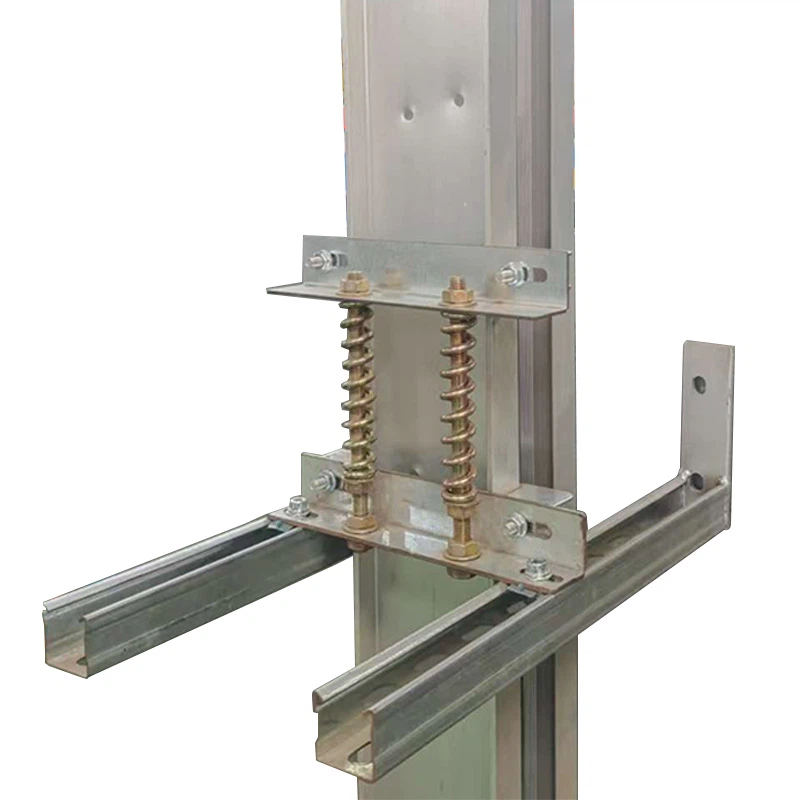

For instance, if a business expands and needs to increase its power consumption, the existing Busway Feeder Box may not be able to handle the additional load. In such a case, the entire system may need to be replaced or extensively reconfigured, which can be time - consuming and costly. In contrast, cable systems can be more easily adjusted by adding or removing cables as needed.
3. Susceptibility to Environmental Conditions
Busway Feeder Boxes are sensitive to environmental conditions. They are more vulnerable to moisture, dust, and temperature variations compared to cable systems. Moisture can cause corrosion of the busbars and connections within the Busway Feeder Box, which can lead to electrical failures and safety hazards. For example, in a humid industrial environment, the presence of moisture can accelerate the oxidation of the Tin - Plated Aluminum Busbar, reducing its conductivity and increasing the risk of overheating.
Dust accumulation can also pose a problem. Dust particles can settle on the busbars and insulators, potentially causing short - circuits or reducing the insulation resistance. Extreme temperature variations can cause the materials in the Busway Feeder Box to expand and contract, which may lead to loose connections over time. To mitigate these issues, additional protective measures such as enclosures and environmental controls may be required, adding to the overall cost and complexity of the system.
4. Difficulty in Fault Diagnosis
Diagnosing faults in a Busway Feeder Box can be more challenging than in a cable system. The internal components of a Busway Feeder Box are enclosed, making it difficult to visually inspect the connections and components. In the event of an electrical fault, it may not be immediately obvious where the problem lies. Specialized testing equipment and techniques are often required to identify the source of the fault.
For example, if there is a sudden power outage or a short - circuit in a Busway Feeder Box, an electrician may need to use advanced diagnostic tools such as insulation resistance testers and circuit analyzers. These tools can be expensive, and the process of using them to diagnose the fault can be time - consuming. In contrast, cable systems are often more accessible, and faults can sometimes be more easily identified by visually inspecting the cables for damage.
5. Maintenance Requirements
Busway Feeder Boxes require regular maintenance to ensure their proper functioning and safety. This includes periodic inspections, cleaning, and tightening of connections. Over time, the vibrations and thermal cycling that occur during normal operation can cause the connections within the Busway Feeder Box to loosen. Loose connections can lead to increased resistance, overheating, and potential electrical failures.
Cleaning is also essential to remove dust and debris that may accumulate on the busbars and insulators. Failure to perform regular maintenance can significantly reduce the lifespan of the Busway Feeder Box and increase the risk of electrical accidents. The cost and time associated with maintenance can be a burden for customers, especially those with large - scale electrical systems.
6. Compatibility Issues
Another disadvantage of Busway Feeder Boxes is the potential for compatibility issues. Different manufacturers may have different designs and specifications for their Busway Feeder Boxes and related components. When integrating a Busway Feeder Box into an existing electrical system, there may be compatibility problems with other equipment such as circuit breakers, switches, and transformers.
For example, the dimensions, connection types, and electrical ratings of the Busway Feeder Box may not match those of the existing system. This can lead to difficulties in installation and may require additional modifications or the use of adapters. In some cases, compatibility issues can also affect the performance and safety of the electrical system.
Conclusion
While Busway Feeder Boxes offer many advantages in terms of power distribution efficiency and reliability, they also come with several disadvantages. The high initial cost, limited flexibility, susceptibility to environmental conditions, difficulty in fault diagnosis, maintenance requirements, and compatibility issues are all factors that potential customers need to consider.
However, it's important to note that these disadvantages can be managed with proper planning, installation, and maintenance. As a supplier of Busway Feeder Boxes, I am committed to providing high - quality products and professional advice to help customers make informed decisions. If you are considering using Busway Feeder Boxes for your electrical distribution system, I encourage you to contact me to discuss your specific needs. We can work together to find the best solution that balances the advantages and disadvantages of Busway Feeder Boxes. Whether you are concerned about cost, flexibility, or environmental factors, I have the expertise to guide you through the process.
References
- Electrical Distribution Handbook, Various Authors
- Industry Standards for Busway Feeder Boxes, Electrical Manufacturers Association
Send Inquiry