

What are the advantages of using a copper bus duct?
Jan 05, 2026
Leave a message
Hey there! As a supplier of Copper Bus Duct, I've seen firsthand just how awesome these things can be. Today, I'm gonna break down the advantages of using a copper bus duct, so you can see why it's a great choice for your electrical distribution needs.
1. High Conductivity
One of the biggest perks of copper bus ducts is their high electrical conductivity. Copper is known for being an excellent conductor of electricity. Compared to other materials like aluminum, copper has a lower resistivity. This means that when electricity flows through a copper bus duct, there's less energy loss in the form of heat.
Think about it like this: if you're trying to get water from one place to another through a pipe, a wider and smoother pipe will let the water flow more easily with less resistance. Similarly, copper's high conductivity allows electricity to flow smoothly through the bus duct. This efficiency is crucial in large - scale electrical systems where even a small amount of energy loss can add up to significant costs over time.
When you're running a factory or a commercial building, every bit of energy saved matters. With a Copper Bus Duct, you can be sure that you're getting the most out of your electrical supply, reducing your energy bills and making your operations more cost - effective.
2. Durability
Copper is a tough material. It can withstand a lot of wear and tear, making copper bus ducts a long - lasting solution for electrical distribution. They're resistant to corrosion, which is a big deal, especially in environments where there's high humidity or exposure to chemicals.
In a marine environment, for example, where saltwater can cause rapid corrosion of many metals, copper bus ducts hold up well. They don't rust like iron or steel, so you don't have to worry about the integrity of your electrical system being compromised over time.
Also, copper has good mechanical strength. It can handle vibrations and shocks without getting damaged easily. This is important in industrial settings where heavy machinery might cause vibrations. A durable copper bus duct ensures that your electrical connections remain stable and reliable, reducing the risk of electrical failures and downtime.
3. Compact Design
Copper bus ducts have a more compact design compared to traditional cable systems. This is a huge advantage, especially when space is limited. In modern buildings, where every square foot counts, a compact electrical distribution system can save a lot of valuable space.
For instance, in a high - rise building, the amount of space that a copper bus duct takes up is much less than what a bundle of cables would require. This means that you can use that extra space for other purposes, like storage or additional office areas.
The compact design also makes installation easier. You don't have to deal with the hassle of routing multiple cables through tight spaces. Instead, you can install a single copper bus duct, which simplifies the installation process and reduces the time and labor costs associated with it.
4. Flexibility
Another great thing about copper bus ducts is their flexibility. They can be easily customized to fit different applications and layouts. Whether you need a straight run of bus duct or a complex configuration with bends and branches, copper bus ducts can be designed to meet your specific requirements.
In a large industrial plant, the electrical distribution needs can be quite complex. You might have different sections of the plant with varying power demands. With copper bus ducts, you can design a system that delivers the right amount of power to each area. You can also add or remove sections of the bus duct as your power needs change over time.
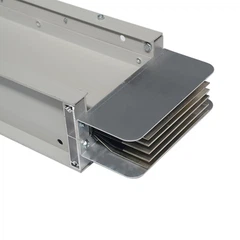
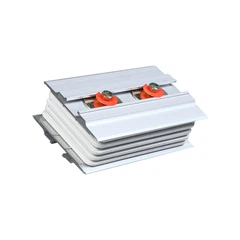
This flexibility also extends to the connection points. Bus Duct Flange is an important component that allows for easy and secure connections between different sections of the bus duct. It ensures a reliable electrical connection while also providing the flexibility to make changes to the system if needed.


5. Safety
Safety is always a top priority when it comes to electrical systems. Copper bus ducts offer several safety features. Firstly, they're enclosed, which means that the electrical conductors are protected from accidental contact. This reduces the risk of electrical shocks to workers or other people in the vicinity.
Secondly, the design of copper bus ducts helps to prevent short - circuits. The conductors are properly spaced and insulated, which minimizes the chances of electrical arcing and short - circuits. In addition, copper's high conductivity helps to dissipate heat more effectively, reducing the risk of overheating and potential fire hazards.
In a commercial building or a public facility, safety is non - negotiable. Using a copper bus duct gives you peace of mind knowing that your electrical system is designed with safety in mind.
6. High Current - Carrying Capacity
Copper bus ducts are capable of carrying high currents. This is essential in applications where large amounts of power are required, such as in industrial plants, data centers, and large commercial buildings.
In a data center, for example, there are hundreds or even thousands of servers that need a constant supply of electricity. A copper bus duct can handle the high current demands of these servers without overheating or experiencing significant voltage drops.
Feeder Bus Duct is a type of copper bus duct that is specifically designed to carry large currents over long distances. It's an ideal solution for distributing power from the main electrical source to different parts of a large facility.
7. Easy Maintenance
Maintaining a copper bus duct is relatively easy. Since copper is a durable material, it doesn't require frequent replacements. You just need to perform regular inspections to check for any signs of wear or damage.
During an inspection, you can look for things like loose connections, signs of corrosion, or any physical damage to the bus duct. If you find any issues, they can usually be easily fixed. For example, if a connection is loose, you can simply tighten it.
Compared to cable systems, which might require more extensive maintenance and replacement of individual cables over time, copper bus ducts offer a more hassle - free maintenance experience. This means less downtime for your electrical system and lower maintenance costs in the long run.
Conclusion
As you can see, there are numerous advantages to using a copper bus duct. From high conductivity and durability to compact design and easy maintenance, they offer a comprehensive solution for your electrical distribution needs.
If you're in the market for a reliable and efficient electrical distribution system, I highly recommend considering a copper bus duct. Whether you're building a new facility or upgrading an existing one, a copper bus duct can provide the performance and reliability you need.
If you're interested in learning more about our Copper Bus Duct products or have any questions about how they can fit into your project, feel free to reach out. We're here to help you make the best decision for your electrical needs and are ready to discuss your requirements for a potential purchase.
References
- Electrical Engineering Handbook, CRC Press
- National Electrical Code (NEC) standards
Send Inquiry