

Is outdoor bus duct more expensive than indoor bus duct?
May 19, 2026
Leave a message
Is outdoor bus duct more expensive than indoor bus duct? This is a common question I often encounter as a supplier of Outdoor Bus Duct. In this blog, I'll delve into the factors that influence the cost of outdoor and indoor bus ducts and explore whether outdoor bus ducts are indeed more expensive.
Understanding Bus Ducts
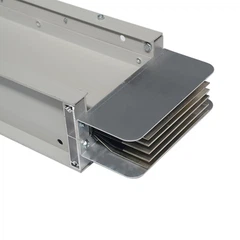
Before we compare the costs, it's essential to understand what bus ducts are. Bus ducts are electrical distribution systems that use copper or aluminum conductors enclosed in a protective housing. They are used to transmit electrical power from a power source to various electrical loads. Indoor bus ducts are designed for use in protected environments such as commercial buildings, factories, and data centers. Outdoor bus ducts, on the other hand, are designed to withstand harsh environmental conditions such as rain, snow, UV radiation, and extreme temperatures.
Factors Affecting the Cost of Bus Ducts
Several factors influence the cost of bus ducts, including:
Material Quality
The quality of the materials used in the construction of bus ducts significantly affects their cost. High-quality materials such as copper conductors and corrosion-resistant enclosures are more expensive than lower-quality alternatives. Outdoor bus ducts require materials that can withstand harsh environmental conditions, so they often use higher-quality materials than indoor bus ducts.
Design and Engineering
The design and engineering of bus ducts also play a role in their cost. Outdoor bus ducts need to be designed to withstand extreme weather conditions, which may require additional engineering and design work. This can increase the cost of outdoor bus ducts compared to indoor bus ducts.
Installation Requirements
The installation requirements for bus ducts can also affect their cost. Outdoor bus ducts may require more complex installation procedures due to the need for additional protection against the elements. This can include the use of special mounting hardware, weatherproofing seals, and grounding systems. The installation of outdoor bus ducts may also require more labor and time, which can increase the overall cost.
Maintenance and Lifespan
The maintenance requirements and lifespan of bus ducts are important considerations when comparing costs. Outdoor bus ducts are exposed to more severe environmental conditions, which can lead to increased wear and tear. As a result, they may require more frequent maintenance and replacement than indoor bus ducts. However, high-quality outdoor bus ducts can have a long lifespan, which can offset the higher initial cost.
Comparing the Costs of Outdoor and Indoor Bus Ducts
Now that we've discussed the factors that affect the cost of bus ducts, let's compare the costs of outdoor and indoor bus ducts.
Initial Cost
In general, outdoor bus ducts are more expensive than indoor bus ducts. This is primarily due to the higher-quality materials, more complex design, and additional installation requirements. The cost of outdoor bus ducts can vary depending on the size, capacity, and specific requirements of the project. However, it's important to note that the initial cost is just one factor to consider when choosing between outdoor and indoor bus ducts.
Long-Term Cost
When considering the long-term cost, it's important to take into account the maintenance requirements and lifespan of the bus ducts. While outdoor bus ducts may have a higher initial cost, they can have a longer lifespan and require less frequent replacement than indoor bus ducts. This can result in lower long-term costs, especially for projects that require a reliable and durable electrical distribution system.
Benefits of Outdoor Bus Ducts
Despite the higher cost, outdoor bus ducts offer several benefits that make them a worthwhile investment.
Durability
Outdoor bus ducts are designed to withstand harsh environmental conditions, making them more durable than indoor bus ducts. They are resistant to corrosion, UV radiation, and extreme temperatures, which can extend their lifespan and reduce the need for frequent maintenance and replacement.
Safety
Outdoor bus ducts are designed with safety in mind. They are enclosed in a protective housing that prevents accidental contact with live conductors, reducing the risk of electrical shock. Additionally, outdoor bus ducts are often equipped with grounding systems and other safety features to ensure the safe operation of the electrical distribution system.
Flexibility
Outdoor bus ducts offer greater flexibility than indoor bus ducts. They can be installed in a variety of locations, including on rooftops, in parking lots, and along outdoor walkways. This makes them suitable for a wide range of applications, including commercial, industrial, and residential projects.
Conclusion
In conclusion, outdoor bus ducts are generally more expensive than indoor bus ducts due to the higher-quality materials, more complex design, and additional installation requirements. However, the long-term benefits of outdoor bus ducts, such as durability, safety, and flexibility, can make them a worthwhile investment. When choosing between outdoor and indoor bus ducts, it's important to consider the specific requirements of the project, the long-term cost, and the benefits of each option.
If you're interested in learning more about Outdoor Bus Duct or Waterproof Busbar, or if you're looking for a reliable supplier for your next project, please don't hesitate to contact us. We offer a wide range of high-quality bus ducts and electrical distribution systems to meet your specific needs. Our team of experts can provide you with detailed information and guidance to help you make the right choice for your project.


References
- Electrical Power Distribution Handbook, by Roger C. Dugan, Mark F. McGranaghan, and H. Wayne Beaty
- Handbook of Electrical Engineering, by Frank D. Petruzella
Send Inquiry