

How to troubleshoot outdoor bus duct faults?
Sep 22, 2025
Leave a message
Hey there! I'm an outdoor bus duct supplier, and I've seen my fair share of bus duct issues over the years. In this blog, I'll share some tips on how to troubleshoot outdoor bus duct faults. Whether you're a maintenance pro or just looking to learn more, these insights can come in handy.
Understanding the Basics of Outdoor Bus Ducts
Before we dive into troubleshooting, let's quickly go over what outdoor bus ducts are. They're basically a system used to distribute electrical power in outdoor settings. They're designed to handle high currents and are made to withstand different weather conditions.
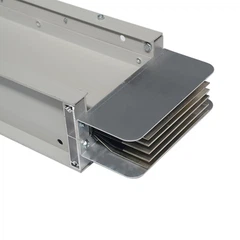
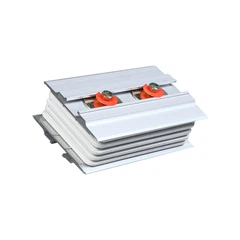
There are different types of outdoor bus ducts, like the Cast Resin Busduct. It's known for its durability and is often used in areas where there's a risk of moisture or other environmental factors. Then there's the New Generation Cast Resin Busway, which offers even more advanced features and better performance. And if you need to install the bus duct underground, the Underground Bus Duct is a great option.
Common Outdoor Bus Duct Faults
- Overheating
Overheating is one of the most common issues with outdoor bus ducts. It can be caused by a few things. First, if the bus duct is overloaded, meaning it's carrying more current than it's designed to handle, it'll start to heat up. Another cause could be poor connections. Loose or corroded connections can increase resistance, which in turn generates heat.
To check for overheating, you can use an infrared thermometer. Just point it at different parts of the bus duct, especially the connections, and look for any hot spots. If you find a spot that's significantly hotter than the rest, that's a sign of a problem. - Insulation Damage
Outdoor bus ducts are exposed to the elements, so insulation damage is a real possibility. UV rays, moisture, and physical impacts can all cause the insulation to break down. If the insulation is damaged, it can lead to short circuits or electrical shocks.
To inspect the insulation, you can visually check for any signs of cracking, peeling, or discoloration. You can also use a megohmmeter to measure the insulation resistance. If the resistance is lower than the recommended value, it means the insulation is compromised. - Mechanical Damage
Things like strong winds, falling objects, or even construction work nearby can cause mechanical damage to the bus duct. This can include dents, cracks, or misalignment. Mechanical damage can affect the electrical performance of the bus duct and also pose a safety risk.
Inspect the bus duct for any visible signs of damage. Look for bent sections, loose parts, or any other abnormalities. If you find any damage, it's important to address it as soon as possible to prevent further problems. - Corrosion
Corrosion is a big issue in outdoor environments, especially in areas with high humidity or near the coast. Corrosion can eat away at the bus duct's components, including the conductors and connections. This can increase resistance and lead to overheating or other electrical problems.
Check for signs of corrosion, such as rust or discoloration on the bus duct's surface. You can use a wire brush to remove any loose corrosion and then apply a protective coating to prevent further corrosion.
Troubleshooting Steps
- Initial Inspection
Start by doing a visual inspection of the entire bus duct system. Look for any obvious signs of damage, like those we mentioned earlier. Check the connections to make sure they're tight and free of corrosion. Also, look for any signs of overheating, such as discoloration or melting. - Electrical Testing
Once you've done the visual inspection, it's time to do some electrical testing. Use a multimeter to check the voltage and current at different points along the bus duct. Compare the readings to the specifications to see if they're within the normal range. You can also use a clamp meter to measure the current without having to break the circuit. - Isolate the Problem
If you've identified a problem, try to isolate it to a specific section of the bus duct. This can make it easier to fix. You can do this by disconnecting different sections of the bus duct and testing them individually. - Repair or Replace
Depending on the nature and severity of the problem, you'll either need to repair or replace the affected components. For minor issues like loose connections or small areas of corrosion, you can usually make the repairs yourself. But for more serious problems like significant insulation damage or major mechanical damage, it's best to call in a professional.
Preventive Maintenance
The best way to deal with outdoor bus duct faults is to prevent them from happening in the first place. Here are some preventive maintenance tips:


- Regular Inspections: Schedule regular inspections of the bus duct system. This can help you catch any potential problems early before they turn into major issues.
- Cleaning: Keep the bus duct clean. Remove any dirt, debris, or vegetation that might accumulate on or around the bus duct. This can help prevent corrosion and other problems.
- Tighten Connections: Periodically check and tighten the connections to make sure they're secure. Loose connections can cause a lot of problems, so it's important to keep them in good condition.
- Monitor Performance: Use monitoring devices to keep track of the bus duct's performance. This can help you detect any changes in voltage, current, or temperature, which could be signs of a problem.
Conclusion
Troubleshooting outdoor bus duct faults can be a bit of a challenge, but with the right knowledge and tools, you can do it effectively. By understanding the common problems, following the troubleshooting steps, and implementing preventive maintenance measures, you can keep your outdoor bus duct system running smoothly.
If you're in the market for high - quality outdoor bus ducts or need help with troubleshooting and maintenance, don't hesitate to reach out. We're here to provide you with the best solutions for your electrical distribution needs.
References
- Electrical Installation Manuals
- Industry Standards for Outdoor Bus Ducts
- Manufacturer's Technical Documentation
Send Inquiry