

How to store copper bus ducts properly?
Oct 02, 2025
Leave a message
As a supplier of Copper Bus Ducts, I understand the critical importance of proper storage for these products. Copper bus ducts are essential components in electrical distribution systems, and their performance and longevity can be significantly affected by how they are stored. In this blog, I will share some key guidelines on how to store copper bus ducts properly.
1. Choose the Right Storage Environment
The first step in proper storage is to select an appropriate environment. Copper bus ducts should be stored in a clean, dry, and well - ventilated area. Moisture is one of the biggest enemies of copper. When copper is exposed to high humidity, it can start to corrode. Corrosion not only affects the appearance of the bus ducts but also degrades their electrical conductivity.
A storage facility with a relative humidity level below 60% is ideal. If possible, use a dehumidifier in the storage area to maintain the desired humidity level. Additionally, the storage area should be protected from direct sunlight, as prolonged exposure to sunlight can cause the insulation materials of the bus ducts to deteriorate.
The temperature of the storage area also matters. Extreme temperatures, either too high or too low, can have a negative impact on the bus ducts. High temperatures can cause the insulation to expand and potentially lose its integrity, while low temperatures can make the materials brittle. A temperature range between 10°C and 30°C is generally recommended.
2. Proper Handling During Storage
When storing copper bus ducts, proper handling is crucial. First, make sure that the bus ducts are stored in an upright position whenever possible. This helps to prevent any deformation of the ducts. If the bus ducts need to be stacked, use appropriate spacers between each layer to ensure even distribution of weight and prevent damage.
Avoid placing heavy objects on top of the bus ducts, as this can cause dents or other physical damage. When moving the bus ducts within the storage area, use proper lifting equipment such as forklifts or cranes. Make sure that the lifting equipment is equipped with appropriate attachments to prevent scratching or damaging the surface of the bus ducts.
3. Protection Against Physical Damage
Physical damage can occur during storage due to various reasons such as accidental impacts or improper stacking. To protect the copper bus ducts from physical damage, consider using protective covers. These covers can be made of materials such as plastic or rubber and can provide an extra layer of protection against scratches, dents, and other forms of damage.


In addition, the storage area should be free from any sharp objects or rough surfaces that could potentially damage the bus ducts. If the bus ducts are stored in a warehouse with other equipment or materials, make sure that there is enough space between the bus ducts and other items to prevent accidental collisions.
4. Insulation Preservation
The insulation of copper bus ducts is a critical component that ensures safe and efficient electrical operation. To preserve the insulation, it is important to keep the bus ducts away from chemicals and solvents. Chemicals can react with the insulation materials and cause them to break down or lose their insulating properties.
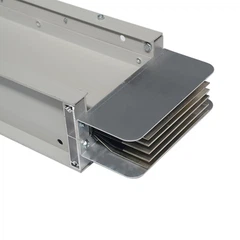
Regularly inspect the insulation for any signs of damage or degradation. If any issues are detected, take appropriate measures to repair or replace the damaged insulation. You can find more information about Sandwich Bus Duct Insulation on our website.
5. Flange and Connection Protection
The flanges and connections of copper bus ducts are also vulnerable parts that need to be protected during storage. The flanges are used to connect different sections of the bus ducts, and any damage to them can affect the overall performance of the system.
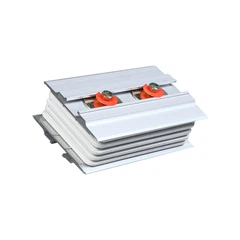
Keep the flanges clean and free from dirt, dust, and debris. You can use a clean, dry cloth to wipe the flanges regularly. If the flanges are not going to be used immediately, consider using protective caps or covers to prevent any damage or contamination. For more details about Bus Duct Flange, please visit our website.
6. Inventory Management
Proper inventory management is an important aspect of storing copper bus ducts. Keep a detailed record of all the bus ducts in storage, including their specifications, quantity, and storage location. This will help you to easily locate the required bus ducts when needed and also ensure that you are using the oldest stock first.
Regularly conduct inventory checks to ensure that all the bus ducts are in good condition and that there are no missing or damaged items. If any discrepancies are found, investigate the cause and take appropriate actions to correct the situation.
7. Long - Term Storage Considerations
If you need to store copper bus ducts for an extended period, additional precautions may be required. For long - term storage, it is advisable to apply a thin layer of protective coating on the copper surface to prevent corrosion. This coating can act as a barrier between the copper and the surrounding environment.
Before applying the coating, make sure that the bus ducts are clean and dry. Follow the manufacturer's instructions when applying the coating to ensure its effectiveness. Also, during long - term storage, it is important to periodically inspect the bus ducts to check for any changes in their condition.
Conclusion
Proper storage of copper bus ducts is essential to maintain their quality, performance, and longevity. By choosing the right storage environment, handling the bus ducts properly, protecting them from physical damage, preserving the insulation, safeguarding the flanges and connections, managing the inventory effectively, and taking appropriate measures for long - term storage, you can ensure that your copper bus ducts are in optimal condition when they are ready to be used.
If you are interested in purchasing high - quality Copper Bus Duct, please feel free to contact us for more information and to discuss your specific requirements. We are committed to providing you with the best products and services.
References
- Electrical Installation Handbook, Schneider Electric
- National Electrical Code (NEC)
Send Inquiry