

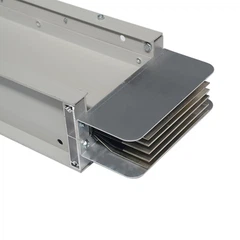
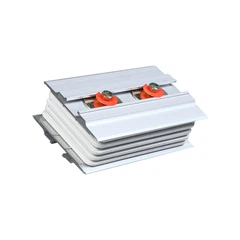
How to reduce the noise of Aluminum Bus Duct?
Dec 04, 2025
Leave a message
Hey there! As an Aluminum Bus Duct supplier, I've seen firsthand how the noise issue can be a real pain in the neck for a lot of our customers. So, I thought I'd share some tips on how to reduce the noise of Aluminum Bus Duct.
Understanding the Causes of Noise in Aluminum Bus Duct
Before we dive into the solutions, it's important to understand why Aluminum Bus Duct makes noise in the first place. There are a few main culprits:
1. Electromagnetic Forces
When electricity flows through the bus duct, it creates electromagnetic forces. These forces can cause the bus bars to vibrate, which in turn produces noise. The magnitude of these forces depends on the current flowing through the bus duct and the design of the bus bars.
2. Mechanical Resonance
Mechanical resonance can occur when the natural frequency of the bus duct structure matches the frequency of the electromagnetic forces. This can amplify the vibrations and make the noise even louder. Factors like the length, thickness, and material of the bus bars, as well as the support structure, can affect the natural frequency of the bus duct.
3. Loose Connections
Loose connections in the bus duct can also lead to noise. When the connections are not tight, there can be arcing or sparking, which produces a crackling or buzzing sound. Additionally, loose parts can vibrate more easily, contributing to the overall noise level.


Tips to Reduce the Noise of Aluminum Bus Duct
1. Optimize the Design
- Proper Bus Bar Arrangement: Design the bus bars in a way that minimizes the electromagnetic forces. For example, using a Phase Segregated Bus Duct can help reduce the magnetic coupling between phases, which in turn reduces the vibrations and noise.
- Stiffening the Bus Bars: Increasing the stiffness of the bus bars can help reduce their vibration. This can be done by using thicker bus bars or adding stiffeners to the existing bars. A stiffer bus bar is less likely to vibrate under the influence of electromagnetic forces.
- Damping Materials: Incorporate damping materials into the bus duct design. These materials can absorb the vibrations and reduce the noise. For example, rubber or foam pads can be placed between the bus bars and the support structure to dampen the vibrations.
2. Ensure Tight Connections
- Regular Inspections: Conduct regular inspections of the bus duct connections to ensure they are tight. Check for any signs of looseness, such as visible gaps or movement. If any loose connections are found, tighten them immediately.
- Proper Installation: During the installation process, make sure to follow the manufacturer's instructions carefully. Use the correct torque values when tightening the bolts to ensure a secure connection. This will help prevent arcing and sparking, as well as reduce the vibration caused by loose parts.
3. Improve the Support Structure
- Proper Mounting: Ensure that the bus duct is properly mounted to a stable support structure. The support structure should be able to withstand the vibrations and forces generated by the bus duct. Using a Rising Mains Bus Duct with a well-designed support system can help reduce the noise.
- Vibration Isolation: Use vibration isolation techniques to separate the bus duct from the surrounding structure. This can be done by using rubber mounts or isolators between the bus duct and the support. These isolators can absorb the vibrations and prevent them from being transmitted to the surrounding environment.
4. Control the Operating Conditions
- Limit the Current: Excessive current can increase the electromagnetic forces and cause more noise. Make sure to operate the bus duct within its rated current capacity. If possible, distribute the load evenly across multiple bus ducts to reduce the current in each duct.
- Maintain a Stable Environment: Keep the temperature and humidity within the recommended range for the bus duct. Extreme temperatures or high humidity can affect the performance of the bus duct and increase the noise level. Regularly monitor the operating environment and take appropriate measures to maintain stability.
The Role of High - Quality Components
Using high - quality components in the Aluminum Bus Duct is crucial for noise reduction. For example, a Bus Duct Flange made of high - grade materials with precise manufacturing can ensure a tight and stable connection. High - quality bus bars with uniform cross - sections and smooth surfaces can also reduce the electromagnetic interference and vibrations.
Conclusion
Reducing the noise of Aluminum Bus Duct is a multi - faceted process that involves optimizing the design, ensuring tight connections, improving the support structure, and controlling the operating conditions. By following these tips, you can significantly reduce the noise level of your Aluminum Bus Duct and improve its overall performance.
If you're interested in learning more about our Aluminum Bus Duct products or have any questions about noise reduction, feel free to reach out to us. We're always here to help you find the best solutions for your electrical distribution needs.
References
- Electrical Engineering Handbook, Third Edition
- Standards for Bus Duct Design and Installation, IEEE Publications
Send Inquiry