

How to reduce noise in a copper bus duct system?
Dec 08, 2025
Leave a message
Noise in a copper bus duct system can be a significant concern, especially in industrial and commercial settings. Excessive noise not only causes discomfort to occupants but can also indicate underlying issues that may affect the performance and longevity of the system. As a copper bus duct supplier, I understand the importance of addressing this problem effectively. In this blog post, I will share some practical strategies to reduce noise in a copper bus duct system.


Understanding the Sources of Noise in Copper Bus Duct Systems
Before we delve into the solutions, it's crucial to understand where the noise in copper bus duct systems comes from. There are several potential sources:
- Magnetic Forces: When alternating current flows through the conductors in a bus duct, it creates magnetic fields. These magnetic fields can interact with each other and with nearby metal structures, causing vibrations and subsequent noise.
- Mechanical Vibration: Loose connections, improper installation, or the use of low - quality components can lead to mechanical vibrations. These vibrations can be transmitted through the bus duct structure and produce audible noise.
- Airflow Turbulence: In some cases, the flow of air around the bus duct, especially in ventilation systems, can cause turbulence, which generates noise.
Strategies for Reducing Noise
1. Proper Design and Selection of Bus Ducts
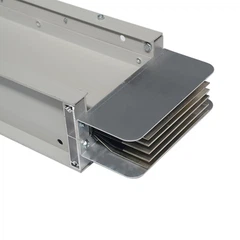
- Phase Segregated Bus Duct: Consider using Phase Segregated Bus Duct. This type of bus duct separates the phases physically, which can help reduce magnetic coupling and the associated noise. The physical separation minimizes the interaction between the magnetic fields of different phases, thereby reducing the vibrations caused by magnetic forces.
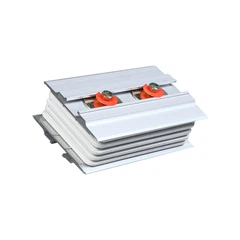
- Non - Standard Bus Duct Flange End: Non - Standard Bus Duct Flange End can be designed to provide better sealing and mechanical stability. A well - sealed flange end reduces the chances of air leakage and mechanical vibrations. It also helps in maintaining the integrity of the bus duct structure, which is essential for noise reduction.
- Feeder Bus Duct: Feeder Bus Duct should be selected based on the specific requirements of the application. A properly sized and designed feeder bus duct can handle the electrical load efficiently, reducing the stress on the conductors and minimizing the magnetic forces that cause noise.
2. Quality Installation
- Tight Connections: Ensure that all connections in the bus duct system are tight. Loose connections can cause arcing, which not only generates noise but also poses a safety hazard. Use appropriate torque values when tightening bolts and nuts to ensure a secure connection.
- Vibration Isolation: Install vibration isolators between the bus duct and the supporting structures. These isolators can absorb the vibrations and prevent them from being transmitted to the surrounding environment. Rubber or spring - based isolators are commonly used for this purpose.
- Alignment: Proper alignment of the bus duct sections is crucial. Misaligned sections can cause mechanical stress and vibrations. During installation, use alignment tools to ensure that the bus duct is straight and the sections are properly joined.
3. Maintenance and Inspection
- Regular Checks: Conduct regular inspections of the bus duct system to identify any signs of wear, damage, or loose connections. Check for loose bolts, cracked insulators, and any other issues that may contribute to noise.
- Cleaning: Keep the bus duct clean to prevent the accumulation of dust and debris. Dust can cause insulation problems and increase the risk of arcing, which can generate noise. Use appropriate cleaning methods and tools to ensure a thorough cleaning.
- Lubrication: If there are moving parts in the bus duct system, such as hinges or joints, lubricate them regularly. Proper lubrication reduces friction and wear, which can help in reducing noise.
4. Airflow Management
- Duct Design: If the bus duct is part of a ventilation system, design the ductwork to minimize airflow turbulence. Use smooth - walled ducts and avoid sharp bends or sudden changes in the cross - sectional area of the duct.
- Airflow Control: Install dampers or other airflow control devices to regulate the flow of air around the bus duct. By controlling the airflow, you can reduce the turbulence and the associated noise.
Case Studies
Let's take a look at some real - world examples of how these strategies have been implemented successfully.
In a large industrial plant, the management was facing significant noise issues from the copper bus duct system. After a thorough inspection, it was found that the bus duct was not properly aligned, and there were loose connections. The maintenance team realigned the bus duct sections and tightened all the connections. They also installed vibration isolators between the bus duct and the supporting structures. As a result, the noise level was reduced by more than 50%, creating a more comfortable working environment for the employees.
In another case, a commercial building had a problem with airflow - related noise in the bus duct system. The building management redesigned the ventilation ductwork around the bus duct to reduce turbulence. They also installed dampers to control the airflow. These measures effectively reduced the noise and improved the overall air quality in the building.
Conclusion
Reducing noise in a copper bus duct system is a multi - faceted process that requires proper design, installation, maintenance, and airflow management. By understanding the sources of noise and implementing the strategies outlined in this blog post, you can significantly reduce the noise level in your bus duct system.
As a copper bus duct supplier, I am committed to providing high - quality products and solutions to help you achieve a quiet and efficient bus duct system. If you are facing noise issues in your copper bus duct system or are planning a new installation, I encourage you to contact me for a consultation. We can work together to design and implement a customized solution that meets your specific needs.
References
- Electrical Power Distribution Handbook, by Dugan, McGranaghan, and Beaty.
- Handbook of Electrical Installation Practice, by IEE Wiring Regulations.
Send Inquiry