

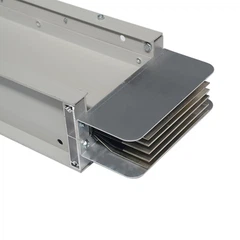
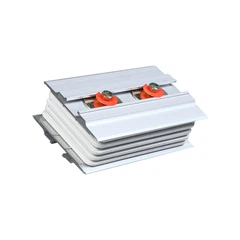
How to monitor the operation status of sandwich busduct?
Oct 12, 2026
Leave a message
As a supplier of sandwich busduct, I've seen firsthand how crucial it is to monitor the operation status of these systems. Sandwich busducts are widely used in electrical distribution, offering a reliable and efficient way to transfer power. Whether it's in commercial buildings, industrial facilities, or data centers, keeping an eye on their operation can prevent costly downtime and ensure safety.


Why Monitor Sandwich Busducts?
First off, let's talk about why monitoring is so important. Sandwich busducts are designed to carry large amounts of electrical current. Any issues with their operation can lead to overheating, short - circuits, or even electrical fires. By monitoring the busduct, you can detect early signs of problems, such as abnormal temperature increases or changes in electrical parameters. This allows you to take preventive measures before a minor issue turns into a major disaster.
Key Parameters to Monitor
Temperature
Temperature is one of the most critical parameters to monitor. Overheating can be a sign of poor connections, excessive current, or insulation degradation. You can use thermal sensors to measure the temperature at various points along the busduct. These sensors can be connected to a monitoring system that alerts you if the temperature exceeds a safe threshold. For example, if a connection point in the busduct starts to heat up, it could indicate a loose connection that needs to be tightened.
Current
Monitoring the current flowing through the busduct is also essential. An abnormal increase in current could mean that there is a fault in the electrical system, such as a short - circuit or an overloaded circuit. You can use current transformers to measure the current. These devices can provide real - time data on the current levels, allowing you to detect any irregularities.
Voltage
Voltage fluctuations can also affect the performance of the busduct. Low voltage can cause equipment to operate inefficiently, while high voltage can damage the busduct and connected devices. Voltage sensors can be used to monitor the voltage levels at different points in the busduct. By keeping an eye on the voltage, you can ensure that the electrical system is operating within the specified range.
Monitoring Methods
Manual Inspection
One of the simplest ways to monitor the operation status of sandwich busduct is through manual inspection. This involves visually checking the busduct for any signs of damage, such as cracks, corrosion, or loose connections. You can also use a thermal imaging camera to detect hot spots. Manual inspection should be carried out regularly, especially in areas where the busduct is exposed to harsh environmental conditions.
Remote Monitoring Systems
Remote monitoring systems are becoming increasingly popular for monitoring sandwich busducts. These systems use sensors to collect data on temperature, current, and voltage, and then transmit this data to a central monitoring station. The monitoring station can be accessed from anywhere, allowing you to keep an eye on the busduct's operation in real - time. Some remote monitoring systems also offer features such as alerts and historical data analysis.
Integrated Monitoring with Building Management Systems
Integrating the busduct monitoring system with the building management system (BMS) can provide a more comprehensive view of the electrical system. The BMS can collect data from multiple sources, including the busduct, and use this data to optimize the overall energy consumption of the building. For example, if the BMS detects that the busduct is overheating, it can adjust the ventilation system to cool it down.
Our Product Offerings
We offer a range of sandwich busduct products, including Feeder Bus Duct, Plug in Bus Duct, and Non - Standard Bus Duct Flange End. Our busducts are designed to meet the highest quality standards and are equipped with advanced monitoring capabilities.
Contact for Purchase and Consultation
If you're interested in our sandwich busduct products or need more information on how to monitor their operation status, feel free to reach out. We're here to help you make the right choice for your electrical distribution needs. Whether you're a small business or a large industrial facility, we have the expertise and products to meet your requirements.
References
- Electrical Power Distribution Handbook, by Turan Gonen
- Handbook of Electrical Engineering, by John J. Cathey
Send Inquiry