

How to improve the electrical efficiency of outdoor bus duct?
Oct 09, 2026
Leave a message
In the realm of electrical distribution, the efficiency of outdoor bus ducts is a critical factor that directly impacts the overall performance and cost - effectiveness of electrical systems. As an outdoor bus duct supplier, I am well - aware of the challenges and opportunities in improving the electrical efficiency of these essential components. In this blog, I will share some key strategies and considerations to enhance the electrical efficiency of outdoor bus ducts.


Understanding the Basics of Outdoor Bus Ducts
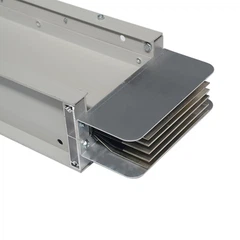
Outdoor bus ducts are used to transmit electrical power in outdoor environments. They are designed to withstand harsh weather conditions, including extreme temperatures, humidity, and exposure to dust and debris. Outdoor Bus Duct systems typically consist of conductors, insulation materials, and enclosures. The conductors are responsible for carrying the electrical current, while the insulation materials prevent electrical leakage and ensure safety. The enclosures protect the conductors and insulation from environmental factors.
Factors Affecting Electrical Efficiency
Several factors can affect the electrical efficiency of outdoor bus ducts. One of the primary factors is the resistance of the conductors. Higher resistance leads to greater power losses in the form of heat. The cross - sectional area of the conductors plays a crucial role in determining the resistance. Larger cross - sectional areas result in lower resistance and, therefore, higher electrical efficiency.
Another factor is the quality of the insulation materials. Poor insulation can lead to electrical leakage, which not only reduces efficiency but also poses a safety hazard. High - quality insulation materials with low dielectric losses are essential for maintaining high electrical efficiency.
The design of the bus duct enclosure also impacts efficiency. A well - designed enclosure can minimize heat buildup and protect the conductors and insulation from environmental damage. Additionally, proper ventilation in the enclosure can help dissipate heat, further improving efficiency.
Strategies to Improve Electrical Efficiency
Optimize Conductor Design
To improve the electrical efficiency of outdoor bus ducts, it is essential to optimize the conductor design. Using conductors with a larger cross - sectional area can significantly reduce resistance. For example, copper conductors are often preferred due to their low resistivity. However, the choice of conductor material also depends on factors such as cost and availability.
In addition to the cross - sectional area, the shape of the conductors can also affect efficiency. Rectangular conductors are commonly used in bus ducts because they can be easily stacked, allowing for a more compact design. However, other shapes, such as circular conductors, may offer better electrical performance in some applications.
Select High - Quality Insulation Materials
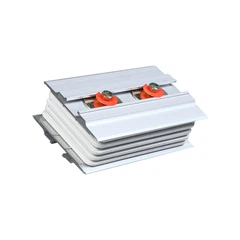
The insulation materials used in outdoor bus ducts play a vital role in maintaining electrical efficiency. Cast Resin Busduct is a popular choice for outdoor applications because it offers excellent electrical insulation properties and is resistant to environmental factors. Epoxy resin, in particular, provides high dielectric strength and low dielectric losses, which helps to minimize power losses.
When selecting insulation materials, it is important to consider their thermal properties. Insulation materials with good thermal conductivity can help dissipate heat, reducing the temperature rise in the bus duct and improving efficiency.
Improve Enclosure Design
The design of the bus duct enclosure is crucial for protecting the conductors and insulation from environmental factors and improving efficiency. A well - sealed enclosure can prevent moisture, dust, and debris from entering the bus duct, which can cause electrical problems and reduce efficiency.
Ventilation is also an important aspect of enclosure design. Proper ventilation can help dissipate heat generated by the conductors, preventing overheating and improving the overall efficiency of the bus duct. Some enclosures are designed with ventilation slots or fans to ensure adequate air circulation.
Implement Regular Maintenance
Regular maintenance is essential for ensuring the long - term efficiency of outdoor bus ducts. Inspections should be carried out periodically to check for signs of damage, such as cracks in the insulation or corrosion on the conductors. Any damaged components should be replaced promptly to prevent further deterioration and maintain high electrical efficiency.
Cleaning the bus duct enclosure and conductors is also important. Dust and debris can accumulate on the conductors and insulation, increasing resistance and reducing efficiency. Regular cleaning can help remove these contaminants and ensure optimal performance.
Case Studies
Let's take a look at a real - world example of how improving the electrical efficiency of outdoor bus ducts can have a significant impact. A large industrial facility was experiencing high energy costs due to the inefficiency of its outdoor bus duct system. The facility decided to upgrade its bus ducts by using conductors with a larger cross - sectional area and high - quality insulation materials.
After the upgrade, the facility noticed a significant reduction in energy consumption. The power losses in the bus duct system were reduced, resulting in lower electricity bills. Additionally, the improved efficiency of the bus duct system led to a more reliable electrical supply, reducing downtime and maintenance costs.
Conclusion
Improving the electrical efficiency of outdoor bus ducts is a complex but achievable goal. By optimizing conductor design, selecting high - quality insulation materials, improving enclosure design, and implementing regular maintenance, it is possible to significantly enhance the performance and cost - effectiveness of outdoor bus duct systems.
As an outdoor bus duct supplier, I am committed to providing high - quality products and solutions that meet the needs of our customers. If you are interested in improving the electrical efficiency of your outdoor bus duct system, I encourage you to contact us for a consultation. We can help you select the right products and design a solution that is tailored to your specific requirements.
References
- IEEE Standard for Busways
- National Electrical Code (NEC)
- Industry reports on electrical distribution systems
Send Inquiry