

How to ground a busway connector?
Jan 08, 2026
Leave a message
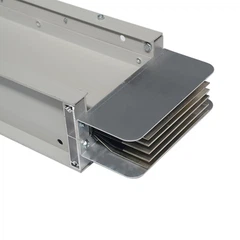
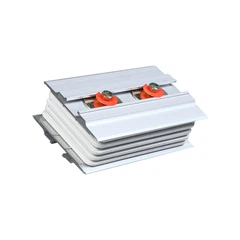
Hey there fellow electricians, engineers, and facility managers! I'm stoked to talk about something super important in the electrical world: how to ground a busway connector. As a proud supplier of top - notch Busway Connectors, I've seen firsthand the impact of proper grounding, and I'm here to share my knowledge with you.
Why Grounding is a Big Deal
First off, let's talk about why grounding a busway connector is crucial. Grounding serves as a safety net. It provides a path of least resistance for electrical current in case of a fault, like a short - circuit. When there's a fault, the excess current can flow safely into the ground instead of causing damage to equipment, starting fires, or, even worse, harming people.
Another reason is to minimize electrical interference. In modern electrical systems, there can be all sorts of electromagnetic noise that can mess with the performance of sensitive equipment. A well - grounded busway connector helps to keep that noise in check and ensures a stable, reliable electrical supply.
What You Need to Get Started
Before you even think about grounding, you've got to gather the right tools and materials. Here's a quick rundown:
- Grounding Cable: This is the workhorse that will carry the fault current to the ground. Make sure it's of the right gauge for your system.
- Grounding Clamps: These are used to securely attach the grounding cable to the busway connector and the grounding point.
- Insulated Tools: Since you'll be working with electricity, it's important to use insulated tools to prevent accidental shocks.
- Grounding Rod: A grounding rod is typically driven into the ground to provide a good earth connection.
Step - by - Step Grounding Process
Now, let's get down to the nitty - gritty of how to ground a busway connector.
Step 1: Check the System
Before you start any work, it's essential to check the electrical system. Make sure the power is off, and use a voltage tester to double - check. You don't want any surprises while you're working!
Step 2: Identify the Grounding Point
The next step is to find the right grounding point. This could be an existing grounding bar in an electrical panel or a dedicated grounding point for the busway system. It's important to choose a point that is properly connected to the earth.
Step 3: Prepare the Busway Connector
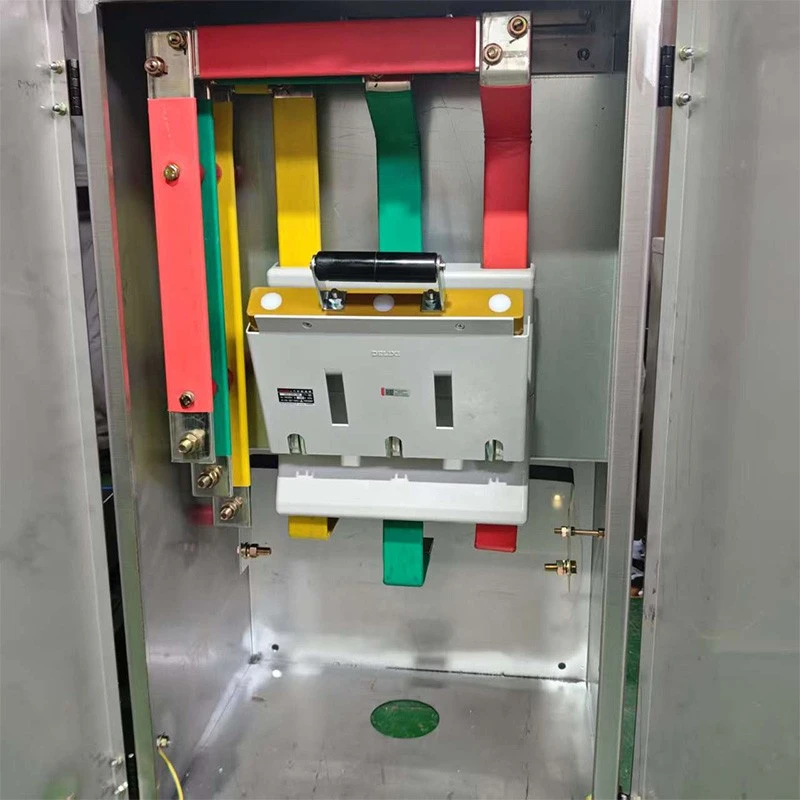
Inspect the busway connector for any signs of damage or dirt. Clean it if necessary. Then, locate the grounding lug on the busway connector. This is where you'll attach the grounding cable.

Step 4: Attach the Grounding Cable
Take your grounding cable and cut it to the right length. Strip the ends of the cable, leaving enough exposed wire to make a good connection. Use a grounding clamp to attach one end of the cable to the grounding lug on the busway connector. Make sure the clamp is tightened securely.
Step 5: Connect to the Grounding Point
Now, take the other end of the grounding cable and connect it to the grounding point using another grounding clamp. Again, ensure a tight connection.
Step 6: Check the Connection
Once everything is connected, give the grounding cable and clamps a gentle tug to make sure they're secure. Then, use a continuity tester to check if there's a good electrical connection between the busway connector and the grounding point. If there's no continuity, you need to double - check your connections.
The Role of Accessories in Grounding
When it comes to grounding a busway connector, accessories play a vital role. For example, High - Insulation Polyester Film can be used to insulate parts of the busway system to prevent unwanted electrical contact and improve the overall safety of the grounding process.
Busway Feeder Box is another important accessory. It helps in the proper distribution of power and can also be integrated into the grounding system. A well - designed feeder box can ensure that the grounding path is properly maintained and that the electrical current is safely directed in case of a fault.
Bus Duct Enclosure is crucial for protecting the busway system. It not only shields the busway from physical damage but also provides a stable environment for the grounding system. The enclosure can be grounded itself, which adds an extra layer of safety.
Common Mistakes to Avoid
Even the most experienced electricians can make mistakes when grounding a busway connector. Here are some common ones to watch out for:
- Using the Wrong Cable Gauge: If the grounding cable is too thin, it won't be able to carry the fault current safely. Always use the appropriate cable gauge according to the electrical system's requirements.
- Loose Connections: Loose grounding clamps or connections can lead to a poor grounding path. This can cause electrical interference or even fail to protect in case of a fault.
- Ignoring Local Codes: Electrical codes and regulations vary from place to place. Make sure you're following the local codes when grounding a busway connector to avoid any legal issues and ensure safety.
Troubleshooting Grounding Issues
Sometimes, despite your best efforts, you might run into grounding issues. If you notice electrical interference, such as flickering lights or equipment malfunctions, it could be a sign of a grounding problem.
First, check all the connections. Make sure the grounding cable is securely attached to the busway connector and the grounding point. Look for any signs of corrosion or damage on the cable or clamps.
If the problem persists, it might be a good idea to consult an electrical engineer. They can use specialized equipment to test the grounding system and identify the root cause of the problem.
Conclusion and Call to Action
Properly grounding a busway connector is not just a technical requirement; it's a matter of safety and reliability. Whether you're working on a small electrical project or a large commercial installation, following the right grounding procedures is essential.
As a supplier of high - quality Busway Connectors, we're here to support you every step of the way. If you're in the market for top - of - the - line busway products, or if you have any questions about grounding or other electrical issues, don't hesitate to reach out. Our team of experts is always ready to help you find the right solutions for your needs. Let's work together to create a safer and more efficient electrical system.
References
- National Electrical Code (NEC)
- Electrical Installation Manuals
- Industry - recognized Electrical Engineering Textbooks
Send Inquiry