

How to ensure proper ventilation in a Busway Feeder Box?
Sep 18, 2025
Leave a message
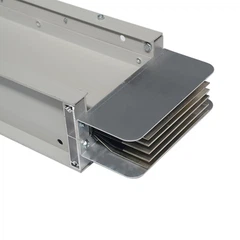
Proper ventilation in a Busway Feeder Box is crucial for maintaining its performance and longevity. As a Busway Feeder Box supplier, I understand the significance of ensuring adequate airflow to prevent overheating and potential damage to the electrical components. In this blog post, I'll share some key strategies and considerations for achieving proper ventilation in a Busway Feeder Box.
Understanding the Importance of Ventilation
Busway Feeder Boxes are used to distribute electrical power from a main source to various sub - circuits. During operation, electrical components generate heat. If this heat is not dissipated effectively, it can lead to increased resistance, reduced efficiency, and even premature failure of the equipment. Ventilation helps to remove the heat, keeping the temperature within a safe operating range.
Design Considerations for Ventilation
- Ventilation Openings: The design of the Busway Feeder Box should include well - placed ventilation openings. These openings can be in the form of louvers, grilles, or perforations. Louvers are a popular choice as they allow air to enter and exit while preventing the ingress of dust, dirt, and moisture. The size and number of ventilation openings should be calculated based on the heat load of the electrical components inside the box. For example, larger boxes with more powerful components will require more extensive ventilation.
- Airflow Path: A proper airflow path needs to be established within the Busway Feeder Box. The air should enter at the bottom of the box and exit at the top. This natural convection process is based on the principle that hot air rises. By creating a clear path for the air to flow, we can ensure that the heat is effectively removed from the box. The internal layout of the electrical components should also be designed to facilitate this airflow. Components should be spaced apart to allow air to circulate freely around them.
Selection of Ventilation Accessories
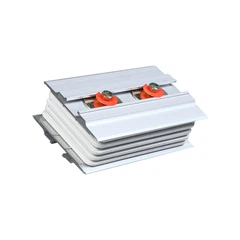
- Tin - Plated Aluminum Busbar: Using Tin - Plated Aluminum Busbar can contribute to better ventilation. Tin - plated aluminum busbars have good thermal conductivity, which helps to transfer heat away from the electrical connections. This reduces the overall heat generation within the Busway Feeder Box, making it easier for the ventilation system to maintain a safe temperature.
- Busway Connector Insulation Plate: The Busway Connector Insulation Plate plays an important role in ventilation. These plates not only provide electrical insulation but also help to manage the airflow within the box. They can be designed with channels or cut - outs to direct the air along the desired path, improving the efficiency of the ventilation system.
- High - Insulation Polyester Film: High - Insulation Polyester Film can be used to insulate certain components while also allowing for better heat dissipation. This film has high dielectric strength and good thermal properties, which can help to reduce the heat build - up in critical areas of the Busway Feeder Box.
Installation and Maintenance
- Installation: During the installation of the Busway Feeder Box, it is essential to ensure that the ventilation openings are not blocked. The box should be installed in a location where there is sufficient clearance around it to allow for proper air intake and exhaust. For example, it should not be placed too close to walls or other objects that could obstruct the airflow.
- Maintenance: Regular maintenance is necessary to keep the ventilation system in good working condition. This includes cleaning the ventilation openings to remove any dust, dirt, or debris that may have accumulated over time. Inspecting the internal components for signs of overheating or damage is also important. If any issues are detected, they should be addressed promptly to prevent further problems.
Monitoring and Control
- Temperature Sensors: Installing temperature sensors inside the Busway Feeder Box can help to monitor the temperature in real - time. These sensors can be connected to a control system that can trigger an alarm if the temperature exceeds a certain threshold. This allows for early detection of potential overheating problems and enables timely corrective actions.
- Variable - Speed Fans: In some cases, using variable - speed fans can enhance the ventilation system. These fans can adjust their speed based on the temperature inside the box. When the temperature is low, the fans can run at a lower speed, saving energy. When the temperature rises, the fans can increase their speed to provide more airflow.
Environmental Factors
- Humidity: High humidity can affect the performance of the ventilation system and the electrical components inside the Busway Feeder Box. Condensation can occur on the components, leading to corrosion and short - circuits. To mitigate this, dehumidifiers can be installed in the area where the box is located, or the ventilation system can be designed to remove moisture from the air.
- Dust and Dirt: Dust and dirt can clog the ventilation openings and reduce the efficiency of the airflow. In dusty environments, additional filtration systems can be added to the ventilation openings to prevent the ingress of dust. Regular cleaning of the filters is also necessary to maintain their effectiveness.
Conclusion
Ensuring proper ventilation in a Busway Feeder Box is a multi - faceted process that involves careful design, selection of appropriate accessories, installation, maintenance, monitoring, and consideration of environmental factors. By following these strategies, we can create a ventilation system that effectively removes heat from the box, ensuring the reliable operation of the electrical components and extending the lifespan of the Busway Feeder Box.


If you are interested in our Busway Feeder Boxes or need more information on ventilation solutions, please feel free to contact us for procurement and further discussions. We are committed to providing high - quality products and professional services to meet your electrical distribution needs.
References
- Electrical Installation Handbook, Schneider Electric
- National Electrical Code (NEC)
- IEEE Standards for Electrical Equipment Ventilation
Send Inquiry