

How does thermal expansion affect the installation and use of flexible copper busbar?
Nov 07, 2025
Leave a message
Hey there! As a supplier of flexible copper busbars, I've seen firsthand how thermal expansion can throw a wrench into the installation and use of these nifty electrical components. In this blog, I'll break down what thermal expansion is, how it impacts flexible copper busbars, and what you can do to mitigate its effects.
Let's start with the basics. Thermal expansion is the tendency of matter to change in volume in response to a change in temperature. When things heat up, they expand; when they cool down, they contract. It's a fundamental principle of physics that affects everything from bridges to electrical systems.
So, how does this apply to flexible copper busbars? Well, copper is a great conductor of electricity, but it also has a relatively high coefficient of thermal expansion. This means that when the temperature of a copper busbar increases, it will expand more than some other materials. And in an electrical system, temperature changes are pretty much inevitable. Every time current flows through a busbar, it generates heat. The more current, the more heat. And if the electrical load varies, so will the temperature of the busbar.
Impact on Installation
During the installation of flexible copper busbars, thermal expansion needs to be taken into account right from the start. If you don't plan for it, you could end up with a busbar that's too tight or too loose once it starts operating.
Let's say you install a busbar on a hot day. The copper is expanded due to the high temperature. As the temperature drops at night or during cooler seasons, the busbar will contract. If it was installed without any allowance for this contraction, it could become overly stressed. This stress can lead to mechanical failures, such as cracks or breaks in the busbar. Over time, these issues can compromise the electrical connection, increasing resistance and potentially causing overheating or even electrical fires.
On the other hand, if you install a busbar on a cold day, it will expand as the temperature rises. Without proper slack or flexibility built into the installation, the expanding busbar can put pressure on the mounting brackets, connectors, and other components in the electrical system. This can cause them to bend, warp, or loosen, again leading to poor electrical performance and safety risks.
To avoid these problems, it's crucial to calculate the expected thermal expansion based on the operating temperature range of the busbar. This calculation should consider factors like the ambient temperature, the heat generated by the electrical load, and any potential temperature fluctuations. Once you have an estimate, you can design the installation with enough flexibility to accommodate the expansion and contraction. For example, you might use flexible mounts or leave some extra length in the busbar to allow for movement.


Impact on Use
Once the flexible copper busbar is in use, thermal expansion continues to be a factor. The constant expansion and contraction can cause wear and tear on the busbar and its connections.
The repeated movement can cause fatigue in the copper material. Just like bending a paperclip back and forth eventually causes it to break, the cyclic expansion and contraction of the busbar can lead to cracks and fractures over time. These cracks can increase the resistance of the busbar, which in turn generates more heat. This heat can further exacerbate the thermal expansion problem, creating a vicious cycle that can ultimately lead to failure.
In addition to the mechanical stress on the busbar itself, thermal expansion can also affect the connections between the busbar and other components in the electrical system. Loose connections are a common issue. As the busbar expands and contracts, it can cause the connectors to loosen, increasing resistance and creating hotspots. These hotspots can not only damage the connectors but also pose a fire hazard.
Another problem is that thermal expansion can cause misalignment between different sections of the busbar or between the busbar and other electrical components. This misalignment can disrupt the flow of electricity, leading to voltage drops and other electrical issues.
Mitigation Strategies
So, what can you do to minimize the impact of thermal expansion on flexible copper busbars? Here are some strategies:
- Proper Design: As mentioned earlier, design the installation to accommodate thermal expansion. Use flexible mounts, expansion joints, or allow enough slack in the busbar. You can also consider using materials with lower coefficients of thermal expansion in areas where expansion is a particular concern.
- Temperature Monitoring: Keep an eye on the temperature of the busbar and the surrounding environment. This can help you detect any abnormal temperature increases early on and take corrective action before they cause serious problems. There are various temperature monitoring devices available, such as thermocouples and infrared cameras.
- Regular Maintenance: Conduct regular inspections of the busbar and its connections. Look for signs of wear, cracks, or looseness. Tighten any loose connections and replace any damaged components as needed.
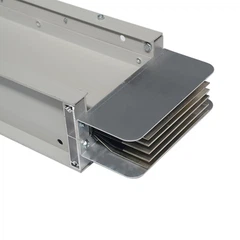
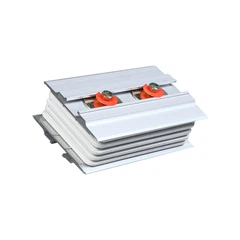
- Use of Flexible Components: Incorporate flexible components like Flexible Busduct into the electrical system. These components are designed to absorb the movement caused by thermal expansion, reducing stress on the busbar and other parts of the system.
- Proper Ventilation: Ensure that the area where the busbar is installed has adequate ventilation. Good ventilation helps to dissipate the heat generated by the busbar, reducing the temperature rise and minimizing thermal expansion.
Importance of Quality Busbar Products
When dealing with thermal expansion and its effects on flexible copper busbars, the quality of the busbar products you use is crucial. High - quality busbars are made from pure copper with consistent properties, which means they will expand and contract more predictably. They are also manufactured with precision, ensuring that the dimensions are accurate and the connections are reliable.
As a supplier, I take pride in offering flexible copper busbars that are designed to withstand the challenges posed by thermal expansion. Our products are tested to ensure they meet the highest standards of quality and performance. Whether you're working on a small electrical project or a large industrial installation, our busbars can provide a reliable solution.
Conclusion
Thermal expansion is a significant factor that can affect the installation and use of flexible copper busbars. However, by understanding how it works and taking appropriate measures to mitigate its effects, you can ensure the long - term performance and safety of your electrical system.
If you're in the market for flexible copper busbars or have any questions about how to deal with thermal expansion in your electrical projects, don't hesitate to reach out. We're here to help you find the right solutions for your needs. Whether you need advice on installation, product selection, or just want to discuss your electrical requirements, we're ready to have a conversation. Contact us to start the procurement process and let's work together to create a reliable electrical system.
References
- "Electrical Power Distribution Handbook" by Dugan, McGranaghan, and Beaty
- "Thermal Analysis of Electrical Systems" by various authors in electrical engineering research journals
Send Inquiry