

Can waterproof busbars be used in high - frequency electrical circuits?
Oct 30, 2025
Leave a message
Can waterproof busbars be used in high - frequency electrical circuits? That's a question I've been getting a lot lately, and as a waterproof busbar supplier, I'm more than happy to dive into it.
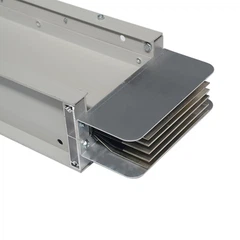
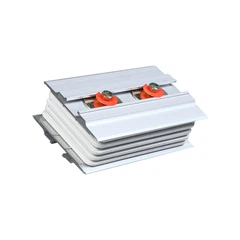
First off, let's talk a bit about what waterproof busbars are. They're basically conductors designed to handle electrical power distribution. The "waterproof" part is super important, especially in environments where moisture is a concern, like outdoor settings or underground installations. We've got some great products that fall into these categories, like the Outdoor Bus Duct, Cast Resin Busduct Feeder Unit, and Underground Bus Duct. These are built tough to withstand the elements and keep the power flowing.
Now, high - frequency electrical circuits are a whole different ballgame. High - frequency circuits operate at frequencies much higher than your standard power distribution circuits. They're commonly used in things like radio frequency (RF) applications, telecommunications, and some advanced electronic devices. The behavior of electrical components in high - frequency circuits is quite different from what we're used to in low - frequency or DC circuits.
One of the main concerns when considering using waterproof busbars in high - frequency circuits is skin effect. The skin effect is a phenomenon where, at high frequencies, the alternating current tends to flow near the surface of the conductor rather than uniformly throughout its cross - section. This means that the effective cross - sectional area of the conductor available for current flow decreases, which in turn increases the resistance.
For waterproof busbars, the materials and construction can have a big impact on how they handle the skin effect. Most of our waterproof busbars are made from materials like copper or aluminum, which are good conductors. But in high - frequency applications, the way these materials are shaped and the coating used for waterproofing can matter a lot.
If the waterproof coating on the busbar is too thick or has a high dielectric constant, it can affect the electrical performance. A high dielectric constant can cause more energy to be stored in the coating, leading to losses in the form of heat. This is not ideal for high - frequency circuits, where efficiency is key.
However, it's not all doom and gloom. There are ways to make waterproof busbars work in high - frequency circuits. One approach is to design the busbar with a shape that maximizes the surface area available for current flow. For example, using a flat or thin - walled design can help reduce the impact of the skin effect.
Another factor to consider is the inductance and capacitance of the busbar. In high - frequency circuits, the inductance and capacitance of the conductors can cause resonance and other unwanted electrical phenomena. Waterproof busbars need to be designed in such a way that these effects are minimized. This might involve careful placement of the busbars, using proper insulation materials, and ensuring that the overall electrical layout is optimized.
We've done some testing on our waterproof busbars in high - frequency scenarios. In some cases, with the right design and material selection, we've seen that they can perform quite well. For example, in a radio frequency application where the frequency was in the range of a few megahertz, our specially designed waterproof busbars were able to handle the current without significant losses.
But it's important to note that every high - frequency circuit is different. The specific requirements of the circuit, such as the frequency range, the power level, and the environmental conditions, all play a role in determining whether a waterproof busbar is a good fit.
If you're thinking about using waterproof busbars in a high - frequency circuit, here are some things you should do. First, you need to understand the electrical characteristics of your circuit. Know the frequency range, the current levels, and the impedance requirements. Then, you can work with us to select the right type of waterproof busbar. We can help you choose the appropriate material, coating, and design based on your specific needs.
We also offer custom - made waterproof busbars. If your high - frequency circuit has unique requirements, we can design and manufacture a busbar that meets those exact specifications. Our team of engineers has the expertise to analyze your circuit and come up with a solution that works.


In conclusion, while using waterproof busbars in high - frequency electrical circuits has its challenges, it's definitely possible. With the right design, material selection, and engineering, our waterproof busbars can be a viable option for high - frequency applications. If you're in the market for waterproof busbars for your high - frequency project, don't hesitate to reach out. We're here to help you find the best solution for your needs. Whether it's for an outdoor installation or an underground application, we've got the products and the knowledge to make it work.
So, if you're interested in learning more about how our waterproof busbars can fit into your high - frequency electrical circuits, or if you want to discuss a custom project, just get in touch. We're always happy to have a chat and see how we can help you with your power distribution needs.
References
- Electrical Engineering textbooks on high - frequency circuit design
- Industry research papers on the performance of conductors in high - frequency applications
- In - house testing reports on waterproof busbars in high - frequency scenarios
Send Inquiry