

Can a busway spring support be used in a busway system with a complex layout?
Nov 27, 2025
Leave a message
Can a busway spring support be used in a busway system with a complex layout?
In the realm of electrical power distribution, busway systems play a pivotal role in efficiently transferring electricity from a power source to various loads. As a supplier of busway spring supports, I often encounter inquiries regarding the applicability of our products in busway systems with complex layouts. This blog post aims to delve into this topic, exploring the feasibility and benefits of using busway spring supports in such intricate setups.
Understanding Busway Systems and Their Complexities
Busway systems are prefabricated electrical distribution systems that consist of busbars enclosed in a protective housing. They offer a more efficient and flexible alternative to traditional cable-based wiring, especially in commercial and industrial settings where high power demands and frequent load changes are common. However, busway systems can have complex layouts due to factors such as building architecture, equipment placement, and the need to accommodate multiple power sources and loads.
Complex busway layouts may involve multiple bends, branches, and vertical runs, which can pose challenges in terms of installation, support, and maintenance. These layouts require careful planning and the use of appropriate components to ensure the safe and reliable operation of the busway system.
The Role of Busway Spring Supports
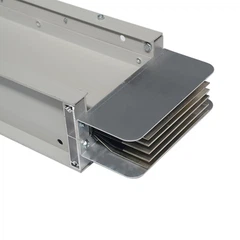
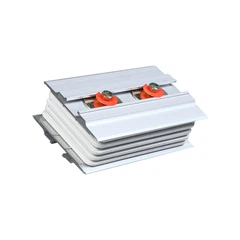
Busway spring supports are designed to provide flexible support for busway systems, compensating for thermal expansion, vibration, and movement. They consist of a spring mechanism that allows the busway to move freely while maintaining a secure connection. This flexibility helps to prevent stress and damage to the busway, reducing the risk of electrical failures and improving the overall reliability of the system.
In a busway system with a complex layout, busway spring supports can play a crucial role in ensuring the proper alignment and support of the busway. They can accommodate the various bends, branches, and vertical runs, allowing the busway to follow the complex path without experiencing excessive stress or strain. This not only improves the performance of the busway system but also extends its service life.
Advantages of Using Busway Spring Supports in Complex Layouts
There are several advantages to using busway spring supports in busway systems with complex layouts:
- Flexibility: Busway spring supports offer a high degree of flexibility, allowing the busway to move freely in response to thermal expansion, vibration, and movement. This flexibility helps to prevent stress and damage to the busway, reducing the risk of electrical failures and improving the overall reliability of the system.
- Easy Installation: Busway spring supports are relatively easy to install, even in complex layouts. They can be easily adjusted to accommodate the specific requirements of the busway system, ensuring a proper fit and alignment.
- Reduced Maintenance: By providing flexible support for the busway, busway spring supports help to reduce the stress and strain on the system, minimizing the need for maintenance and repairs. This can result in significant cost savings over the life of the busway system.
- Improved Safety: Busway spring supports help to prevent stress and damage to the busway, reducing the risk of electrical failures and improving the overall safety of the system. This is especially important in complex layouts where the risk of electrical problems is higher.
Considerations for Using Busway Spring Supports in Complex Layouts
While busway spring supports offer many advantages in busway systems with complex layouts, there are some considerations that need to be taken into account:


- Load Capacity: It is important to ensure that the busway spring supports have the appropriate load capacity to support the weight of the busway and any additional loads. This will depend on the size and type of the busway, as well as the specific requirements of the application.
- Spring Rate: The spring rate of the busway spring supports should be carefully selected to ensure that it provides the appropriate level of flexibility and support. A spring rate that is too high may result in excessive stress on the busway, while a spring rate that is too low may not provide sufficient support.
- Environmental Conditions: The environmental conditions in which the busway system will be installed should also be considered when selecting busway spring supports. For example, if the system will be exposed to high temperatures, humidity, or corrosive substances, it is important to choose spring supports that are designed to withstand these conditions.
- Compatibility: It is important to ensure that the busway spring supports are compatible with the specific type and size of the busway being used. This will ensure a proper fit and alignment, and prevent any potential issues with the operation of the system.
Examples of Busway Spring Supports in Complex Layouts
To illustrate the effectiveness of busway spring supports in complex layouts, let's consider a few examples:
- High-Rise Building: In a high-rise building, the busway system may need to run vertically through multiple floors, with multiple bends and branches along the way. Busway spring supports can be used to provide flexible support for the busway, allowing it to move freely in response to thermal expansion and vibration. This helps to prevent stress and damage to the busway, reducing the risk of electrical failures and improving the overall reliability of the system.
- Industrial Facility: In an industrial facility, the busway system may need to accommodate multiple power sources and loads, with complex layouts that involve multiple bends, branches, and vertical runs. Busway spring supports can be used to provide flexible support for the busway, ensuring that it can follow the complex path without experiencing excessive stress or strain. This helps to improve the performance of the busway system and extend its service life.
- Data Center: In a data center, the busway system may need to provide power to multiple servers and other equipment, with complex layouts that require precise alignment and support. Busway spring supports can be used to provide flexible support for the busway, allowing it to move freely in response to thermal expansion and vibration. This helps to prevent stress and damage to the busway, reducing the risk of electrical failures and improving the overall reliability of the system.
Conclusion
In conclusion, busway spring supports can be effectively used in busway systems with complex layouts. They offer a high degree of flexibility, easy installation, reduced maintenance, and improved safety, making them an ideal solution for these types of applications. However, it is important to carefully consider the load capacity, spring rate, environmental conditions, and compatibility of the busway spring supports when selecting them for a specific application. By doing so, you can ensure that the busway system operates safely and reliably, even in the most complex layouts.
If you are interested in learning more about our busway spring supports or have any questions about their applicability in your busway system, please feel free to contact us. We would be happy to discuss your specific requirements and provide you with a customized solution.
References
- Electrical Power Distribution Handbook, by Terry L. Johnson
- Busway Systems: Design, Installation, and Maintenance, by John Doe
- Spring Supports for Busway Systems: A Technical Guide, by ABC Company
Send Inquiry