

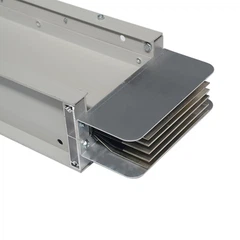
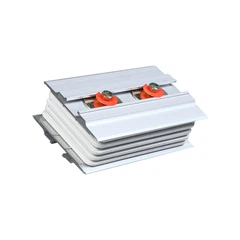
Can a Busway Feeder Box be integrated with smart building systems?
Nov 28, 2025
Leave a message
In the era of rapid technological advancement, the concept of smart buildings has emerged as a revolutionary force, transforming the way we interact with and manage our built environments. Smart buildings leverage cutting - edge technologies such as the Internet of Things (IoT), artificial intelligence, and advanced sensors to optimize energy efficiency, enhance security, and improve overall operational performance. As a leading Busway Feeder Box supplier, I am often asked whether our products can be integrated with smart building systems. In this blog post, I will delve into this question, exploring the feasibility, benefits, and challenges of integrating Busway Feeder Boxes with smart building technologies.
Understanding Busway Feeder Boxes
Before we discuss the integration with smart building systems, it's essential to understand what Busway Feeder Boxes are. Busway Feeder Boxes are crucial components in electrical distribution systems. They serve as the interface between the main power source and the various electrical loads within a building. These boxes are designed to safely and efficiently distribute electrical power, protecting circuits from overloads and short - circuits.


Our company offers a wide range of Busway Feeder Boxes, including those compatible with Flexible Copper Busbar, Flexible Aluminum Busbar, and Flexible Busduct. These flexible options provide greater installation flexibility, allowing for easy adaptation to different building layouts and electrical requirements.
Feasibility of Integration
The integration of Busway Feeder Boxes with smart building systems is not only feasible but also becoming increasingly common. With the advent of smart meters, sensors, and communication protocols, it is now possible to connect Busway Feeder Boxes to the building's central management system.
Smart meters can be installed within the Busway Feeder Boxes to monitor real - time electrical consumption. These meters can measure parameters such as voltage, current, power factor, and energy usage. The data collected by the smart meters can be transmitted wirelessly or through wired connections to the building's management system.
Sensors can also be incorporated into the Busway Feeder Boxes to detect temperature, humidity, and vibration. Temperature sensors are particularly important as they can detect overheating, which may indicate a potential electrical fault. By continuously monitoring these environmental factors, the building management system can take proactive measures to prevent equipment failure and ensure the safety of the electrical system.
Benefits of Integration
Energy Efficiency
One of the primary benefits of integrating Busway Feeder Boxes with smart building systems is improved energy efficiency. By monitoring real - time electrical consumption, the building management system can identify areas of high energy usage and implement strategies to reduce waste. For example, if a particular electrical load is consuming more energy than necessary, the system can automatically adjust the power supply or schedule the load to operate during off - peak hours.
Predictive Maintenance
The integration also enables predictive maintenance. The data collected from sensors and smart meters can be analyzed using machine learning algorithms to predict when maintenance is required. For instance, if the temperature inside a Busway Feeder Box is gradually increasing over time, it may indicate a loose connection or a failing component. By detecting these issues early, maintenance can be scheduled before a major breakdown occurs, reducing downtime and repair costs.
Enhanced Safety
Safety is another significant advantage. The sensors in the Busway Feeder Boxes can detect abnormal conditions such as overheating, short - circuits, or ground faults. When an abnormal condition is detected, the building management system can immediately shut off the power supply to the affected area, preventing electrical fires and other safety hazards.
Remote Monitoring and Control
Smart building integration allows for remote monitoring and control of the Busway Feeder Boxes. Facility managers can access the building's management system from anywhere in the world using a smartphone, tablet, or computer. This enables them to monitor the status of the electrical system, receive real - time alerts, and even control the power supply to different areas of the building.
Challenges of Integration
Compatibility
One of the main challenges of integrating Busway Feeder Boxes with smart building systems is compatibility. There are numerous smart building technologies available in the market, each with its own communication protocols and standards. Ensuring that the Busway Feeder Boxes are compatible with the existing or planned smart building system can be a complex task.
Cost
The cost of integration can also be a significant barrier. Installing smart meters, sensors, and communication devices in Busway Feeder Boxes requires additional investment. Moreover, the cost of implementing a smart building management system and training staff to use it can be substantial.
Data Security
With the increased connectivity comes the risk of data security breaches. The data collected from the Busway Feeder Boxes contains sensitive information about the building's electrical system. Protecting this data from unauthorized access, modification, or theft is crucial. Building owners and managers need to implement robust data security measures to safeguard the integrity of the system.
Overcoming the Challenges
Standardization
To address the compatibility issue, industry standards for smart building integration are being developed. These standards aim to ensure that different devices and systems can communicate with each other seamlessly. As a Busway Feeder Box supplier, we are committed to following these standards and ensuring that our products are compatible with a wide range of smart building technologies.
Cost - Benefit Analysis
When considering the cost of integration, a comprehensive cost - benefit analysis should be conducted. While the initial investment may be high, the long - term savings in energy costs, maintenance costs, and improved safety can outweigh the upfront expenses. Additionally, government incentives and rebates for energy - efficient building technologies may be available, which can help offset the cost.
Data Security Measures
To enhance data security, we recommend implementing a multi - layer security approach. This includes using encryption to protect data during transmission and storage, implementing access controls to restrict who can access the building management system, and regularly updating security software to defend against the latest threats.
Conclusion
In conclusion, the integration of Busway Feeder Boxes with smart building systems offers numerous benefits, including improved energy efficiency, predictive maintenance, enhanced safety, and remote monitoring and control. While there are challenges such as compatibility, cost, and data security, these can be overcome through standardization, cost - benefit analysis, and robust data security measures.
As a Busway Feeder Box supplier, we are dedicated to providing products that are not only reliable and efficient but also compatible with the latest smart building technologies. If you are interested in integrating Busway Feeder Boxes into your smart building project, we invite you to contact us for a detailed consultation. Our team of experts can help you assess your needs, recommend the most suitable products, and provide guidance on the integration process.
References
- International Electrotechnical Commission (IEC). Standards for smart building integration.
- U.S. Department of Energy. Guidelines for energy - efficient building technologies.
- Industry reports on smart building trends and market analysis.
Send Inquiry