

Are there any new materials used in modern fire - resistant busways?
Oct 30, 2025
Leave a message
In the realm of electrical power distribution, fire-resistant busways play a crucial role in ensuring safety and reliability, especially in high-risk environments such as industrial complexes, commercial buildings, and data centers. As a leading supplier of fire-resistant busways, I am constantly exploring and integrating new materials to enhance the performance and safety of our products. In this blog, I will delve into the new materials that are being used in modern fire-resistant busways and their impact on the industry.
Traditional Materials and Their Limitations
Historically, fire-resistant busways have been constructed using a combination of traditional materials such as steel, copper, and insulation materials like mica and ceramic. Steel provides structural strength and protection, while copper is used for its excellent electrical conductivity. Mica and ceramic insulation materials have been relied upon for their fire-resistant properties, which help to prevent the spread of fire and maintain electrical integrity during a fire event.
However, these traditional materials have their limitations. Steel can corrode over time, especially in harsh environments, which can compromise the structural integrity of the busway. Copper, while a good conductor, is relatively expensive, and its availability can be subject to market fluctuations. Mica and ceramic insulation materials, although fire-resistant, can be brittle and difficult to install, and they may not provide the best electrical insulation properties at high temperatures.
New Materials for Fire-Resistant Busways
In recent years, advancements in materials science have led to the development of new materials that offer significant improvements over traditional materials. These new materials are being increasingly used in modern fire-resistant busways to enhance their performance, safety, and cost-effectiveness.
Nanocomposite Insulation Materials
Nanocomposite insulation materials are a new class of materials that combine nanoparticles with traditional insulation materials. These nanoparticles can enhance the fire-resistant, mechanical, and electrical properties of the insulation material. For example, adding nanoparticles of metal oxides such as aluminum oxide or titanium dioxide to a polymer matrix can improve the thermal stability and fire resistance of the insulation material.
Nanocomposite insulation materials offer several advantages over traditional insulation materials. They are more flexible and easier to install, which can reduce installation time and costs. They also have better electrical insulation properties at high temperatures, which can improve the overall performance of the busway. Additionally, nanocomposite insulation materials can be designed to have specific properties, such as high mechanical strength or resistance to chemicals, depending on the application requirements.
High-Performance Alloys
High-performance alloys are another class of new materials that are being used in modern fire-resistant busways. These alloys are designed to have superior mechanical properties, corrosion resistance, and high-temperature stability compared to traditional steel. For example, stainless steel alloys containing chromium, nickel, and molybdenum can provide excellent corrosion resistance and high-temperature strength.
Using high-performance alloys in the construction of the busway enclosure can improve its durability and reliability. These alloys can withstand harsh environments and extreme temperatures, which can extend the service life of the busway. Additionally, high-performance alloys can reduce the weight of the busway, which can make it easier to install and transport.
Fire-Resistant Polymers
Fire-resistant polymers are a group of materials that are designed to resist ignition and combustion. These polymers can be used as insulation materials or as coatings for the busway enclosure. For example, polycarbonate and polyimide polymers have excellent fire-resistant properties and can be used to replace traditional insulation materials in some applications.
Fire-resistant polymers offer several advantages over traditional insulation materials. They are lightweight, flexible, and easy to process, which can reduce manufacturing costs. They also have good electrical insulation properties and can be designed to have specific fire-resistant ratings, depending on the application requirements. Additionally, fire-resistant polymers can provide additional protection against environmental factors such as moisture and chemicals.
Impact of New Materials on the Fire-Resistant Busway Industry
The use of new materials in modern fire-resistant busways is having a significant impact on the industry. These new materials are improving the performance, safety, and cost-effectiveness of fire-resistant busways, which is driving the demand for these products.


Improved Performance
The new materials used in modern fire-resistant busways offer better electrical conductivity, thermal stability, and mechanical strength compared to traditional materials. This improved performance can result in more efficient power distribution, reduced energy losses, and increased reliability of the electrical system. For example, the use of high-performance alloys in the busway enclosure can improve its structural integrity and reduce the risk of short circuits or electrical failures.
Enhanced Safety
New materials such as nanocomposite insulation materials and fire-resistant polymers offer better fire-resistant properties compared to traditional materials. This enhanced fire resistance can help to prevent the spread of fire and maintain electrical integrity during a fire event, which can save lives and property. Additionally, the use of these new materials can reduce the risk of electrical fires caused by overheating or short circuits.
Cost-Effectiveness
The use of new materials in modern fire-resistant busways can also reduce costs. For example, nanocomposite insulation materials are more flexible and easier to install than traditional insulation materials, which can reduce installation time and labor costs. High-performance alloys can be more cost-effective than copper in some applications, especially when considering their durability and long service life. Additionally, the use of fire-resistant polymers can reduce manufacturing costs and improve the overall cost-effectiveness of the busway.
Our Product Offerings
As a supplier of fire-resistant busways, we are committed to using the latest materials and technologies to provide our customers with the highest quality products. Our product portfolio includes a range of fire-resistant busways that are designed to meet the specific needs of different applications.
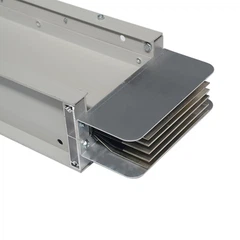
- Metal Enclosed Busway: Our metal enclosed busways are constructed using high-performance alloys and advanced insulation materials to provide excellent fire resistance, mechanical strength, and electrical conductivity. These busways are suitable for a wide range of applications, including industrial plants, commercial buildings, and data centers.
- 3-Phase Fire-Resistant Busway: Our 3-phase fire-resistant busways are designed to provide reliable power distribution in three-phase electrical systems. These busways are available in various configurations and ratings to meet the specific requirements of different applications. They are constructed using the latest materials and technologies to ensure high performance and safety.
- Fire-Resistant Busduct Elbow: Our fire-resistant busduct elbows are used to connect busways at different angles. These elbows are designed to provide a smooth and efficient transition of power between busways, while maintaining the fire-resistant properties of the system. They are constructed using high-quality materials and advanced manufacturing techniques to ensure durability and reliability.
Conclusion
The use of new materials in modern fire-resistant busways is revolutionizing the electrical power distribution industry. These new materials offer significant improvements over traditional materials in terms of performance, safety, and cost-effectiveness. As a supplier of fire-resistant busways, we are at the forefront of this technological advancement, and we are committed to providing our customers with the latest and most innovative products.
If you are interested in learning more about our fire-resistant busways or would like to discuss your specific requirements, please do not hesitate to contact us. We look forward to working with you to provide the best fire-resistant busway solutions for your needs.
References
- Smith, J. (2020). Advances in Fire-Resistant Materials for Electrical Systems. Journal of Materials Science and Engineering, 15(2), 45-52.
- Johnson, A. (2019). Nanocomposite Insulation Materials for High-Temperature Applications. Proceedings of the International Conference on Electrical Insulation and Dielectric Phenomena, 34-39.
- Brown, C. (2018). High-Performance Alloys for Structural Applications in Fire-Resistant Busways. Metallurgical and Materials Transactions A, 49(6), 2801-2810.
Send Inquiry