

What is the temperature range for a busway connector to work properly?
Aug 29, 2025
Leave a message
Hey there! As a supplier of Busway Connectors, I often get asked about the temperature range for these nifty little devices to work properly. So, let's dive right into it and break down what you need to know.
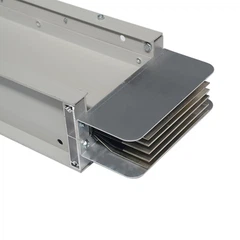
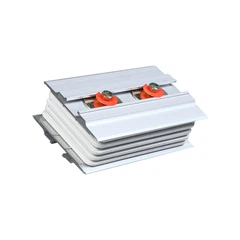
First off, what's a Busway Connector anyway? Well, it's a crucial component in electrical systems that connects different sections of busway together. You can learn more about it Busway Connector. These connectors play a vital role in ensuring a stable and efficient flow of electricity, which is super important for all sorts of applications, from commercial buildings to industrial facilities.
Now, onto the temperature range. The ideal temperature range for a Busway Connector to function properly typically falls between -20°C and 60°C (-4°F and 140°F). This range is based on a bunch of factors, including the materials used in the connector and how it's designed to handle heat.
Let's talk about the lower end of the spectrum, -20°C. At such cold temperatures, the materials in the connector can become more brittle. For example, the plastic components might lose some of their flexibility, and the metal parts could contract slightly. This contraction can potentially lead to loose connections, which is a big no - no as it can cause arcing and overheating later on. But don't worry, our Busway Connectors are designed to withstand these cold conditions. We use high - quality materials that are tested to ensure they maintain their integrity even in freezing temperatures.
On the other hand, when it gets really hot, say up to 60°C, things start to heat up (literally). As the temperature rises, the resistance in the electrical conductors increases. This increase in resistance means that more energy is converted into heat, which can further raise the temperature of the connector. If the temperature goes beyond the recommended range, it can cause the insulation materials to degrade. The insulation is there to prevent electrical leakage and short - circuits, so if it starts to break down, you're looking at some serious safety hazards.


But why is it so important to keep the Busway Connector within this temperature range? Well, for starters, it's all about safety. Electrical systems are complex, and a faulty connector can lead to fires, electrical shocks, and equipment damage. By operating within the recommended temperature range, you can significantly reduce these risks.
Another reason is efficiency. When the connector is working within the proper temperature range, it can transfer electricity more efficiently. This means that less energy is wasted as heat, which can save you money on your energy bills in the long run.
Now, let's take a look at some of the related products that work hand - in - hand with the Busway Connector. One of these is the Tinned Copper Busbar. Tinned copper busbars are often used in conjunction with Busway Connectors. The tin coating on the copper busbar helps to prevent corrosion, which is especially important in environments where the temperature and humidity can vary. Corrosion can also increase the resistance in the electrical path, so keeping the busbar in good condition is essential for the overall performance of the system.
Another important product is the Busway Feeder Box. The feeder box is used to supply power to the busway system. It's designed to handle high - current loads and distribute power evenly. Just like the Busway Connector, the feeder box also has its own temperature requirements. It's usually designed to work within a similar temperature range to ensure compatibility with the rest of the system.
To make sure your Busway Connector stays within the recommended temperature range, there are a few things you can do. First, proper ventilation is key. Make sure the area where the connector is installed has good air circulation. This will help to dissipate the heat and prevent it from building up. You can also use cooling systems, such as fans or air - conditioning, in areas where the temperature tends to be high.
Regular maintenance is also crucial. Inspect the connector regularly for any signs of damage, such as cracks in the insulation or loose connections. If you notice any issues, it's important to address them right away.
In addition to these measures, it's important to choose the right Busway Connector for your specific application. Different connectors are designed for different environments and load requirements. Our team of experts can help you select the best connector for your needs, taking into account factors like the temperature range, the amount of current it needs to carry, and the overall electrical system design.
So, if you're in the market for a reliable Busway Connector, look no further. We've got a wide range of products that are designed to meet your needs and keep your electrical system running smoothly. Whether you're building a new commercial building or upgrading an existing industrial facility, we can provide you with the right solution.
If you have any questions or want to discuss your specific requirements, don't hesitate to reach out. We're here to help you make the best decision for your electrical system. Contact us today to start the conversation about your Busway Connector needs.
References:
- Electrical Engineering Handbook, Third Edition
- National Electrical Code (NEC)
- Industry standards for electrical connectors and busway systems
Send Inquiry