

What is the service life of the insulation in a copper bus duct?
Dec 17, 2025
Leave a message
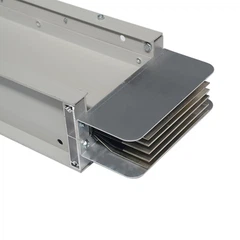
The service life of insulation in a copper bus duct is a critical factor that directly impacts the performance, safety, and reliability of electrical distribution systems. As a supplier of Copper Bus Duct, I understand the importance of this aspect and have in - depth knowledge about it.
Factors Affecting the Service Life of Insulation
Temperature
One of the most significant factors influencing the service life of insulation in a copper bus duct is temperature. Insulation materials have a specific temperature rating. When the operating temperature exceeds this rating, the insulation material begins to degrade at an accelerated rate. For example, if the insulation is rated for a maximum continuous operating temperature of 105°C and the actual temperature in the bus duct reaches 120°C, the chemical and physical properties of the insulation will change.
High temperatures can cause the insulation to become brittle, leading to cracks. These cracks can then allow moisture and contaminants to penetrate the insulation, further reducing its effectiveness. Over time, this can result in electrical breakdowns and short - circuits. A general rule of thumb is that for every 8 - 10°C increase in temperature above the rated temperature, the service life of the insulation is approximately halved.
Moisture
Moisture is another enemy of insulation in copper bus ducts. Water can penetrate the insulation material, either through condensation inside the bus duct or from external sources such as leaks in the installation environment. Once moisture is present, it can cause several problems.
Firstly, it can reduce the dielectric strength of the insulation. The dielectric strength is the ability of the insulation to withstand electrical stress without breaking down. When moisture is absorbed by the insulation, it creates conductive paths within the material, increasing the risk of electrical arcing. Secondly, moisture can promote the growth of mold and fungi on the insulation surface. These biological organisms can further damage the insulation structure, reducing its mechanical and electrical properties.
Contaminants
Contaminants such as dust, dirt, and chemical substances can also have a negative impact on the service life of insulation. Dust and dirt can accumulate on the surface of the insulation, creating a layer that can trap moisture and heat. This can lead to localized overheating and accelerated degradation of the insulation.
Chemical substances, such as corrosive gases or liquids, can react with the insulation material. For example, in industrial environments where there are high levels of sulfur dioxide or ammonia, these gases can chemically attack the insulation, weakening its structure. This can cause the insulation to lose its flexibility and mechanical strength, increasing the likelihood of failure.
Electrical Stress
Electrical stress is an inherent factor in the operation of copper bus ducts. The insulation is constantly subjected to electrical voltage, and over time, this can cause degradation. High - frequency electrical transients, such as those caused by lightning strikes or switching operations, can also put additional stress on the insulation.
These transients can create high - intensity electrical fields within the insulation, which can lead to partial discharges. Partial discharges are small electrical breakdowns that occur within the insulation material. Although they may not cause an immediate failure, repeated partial discharges can gradually erode the insulation, reducing its service life.
Estimating the Service Life of Insulation
There is no one - size - fits - all answer to the question of how long the insulation in a copper bus duct will last. However, under normal operating conditions, with proper installation and maintenance, the service life of insulation can range from 20 to 40 years.
To estimate the service life more accurately, we can use the Arrhenius equation, which relates the rate of a chemical reaction (in this case, the degradation of insulation) to temperature. By knowing the activation energy of the insulation material and the operating temperature, we can calculate the expected rate of degradation.
In addition to temperature, other factors such as moisture, contaminants, and electrical stress need to be considered. For example, if the bus duct is installed in a harsh environment with high levels of moisture and contaminants, the service life may be significantly reduced. On the other hand, if the bus duct is installed in a clean, dry environment with proper ventilation and temperature control, the insulation may last closer to the upper end of the estimated range.
Extending the Service Life of Insulation
As a Copper Bus Duct supplier, we offer several solutions to extend the service life of insulation.
Proper Design and Installation
Proper design of the copper bus duct is crucial. This includes selecting the right insulation material based on the operating conditions. For example, in high - temperature environments, insulation materials with a high temperature rating should be used. The design should also ensure proper ventilation to prevent overheating and moisture accumulation.
During installation, it is important to follow the manufacturer's guidelines carefully. The bus duct should be installed in a clean, dry location away from sources of moisture and contaminants. Proper sealing of the bus duct joints is also essential to prevent the ingress of moisture and dust.
Regular Maintenance
Regular maintenance is key to extending the service life of insulation in copper bus ducts. This includes visual inspections to check for signs of damage, such as cracks, discoloration, or the presence of contaminants. Electrical tests, such as insulation resistance testing and partial discharge testing, can also be performed to detect any early signs of insulation degradation.
If any issues are detected during maintenance, appropriate measures should be taken immediately. This may include cleaning the insulation, replacing damaged components, or applying protective coatings to the insulation surface.

Importance of Quality Insulation in Copper Bus Ducts
Quality insulation is essential for the safe and reliable operation of copper bus ducts. A failure of the insulation can lead to serious consequences, such as electrical fires, equipment damage, and downtime.
In commercial and industrial buildings, copper bus ducts are used to distribute large amounts of electrical power. If the insulation fails, it can cause a short - circuit, which can trip circuit breakers and disrupt the power supply. This can result in significant financial losses due to production downtime and damage to electrical equipment.
In addition, electrical fires caused by insulation failure can pose a serious threat to human life and property. Therefore, investing in high - quality insulation and ensuring its proper maintenance is a wise decision for any electrical system.
Our Offerings as a Copper Bus Duct Supplier
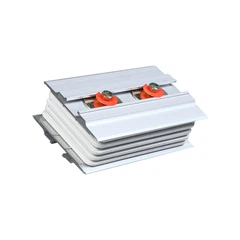
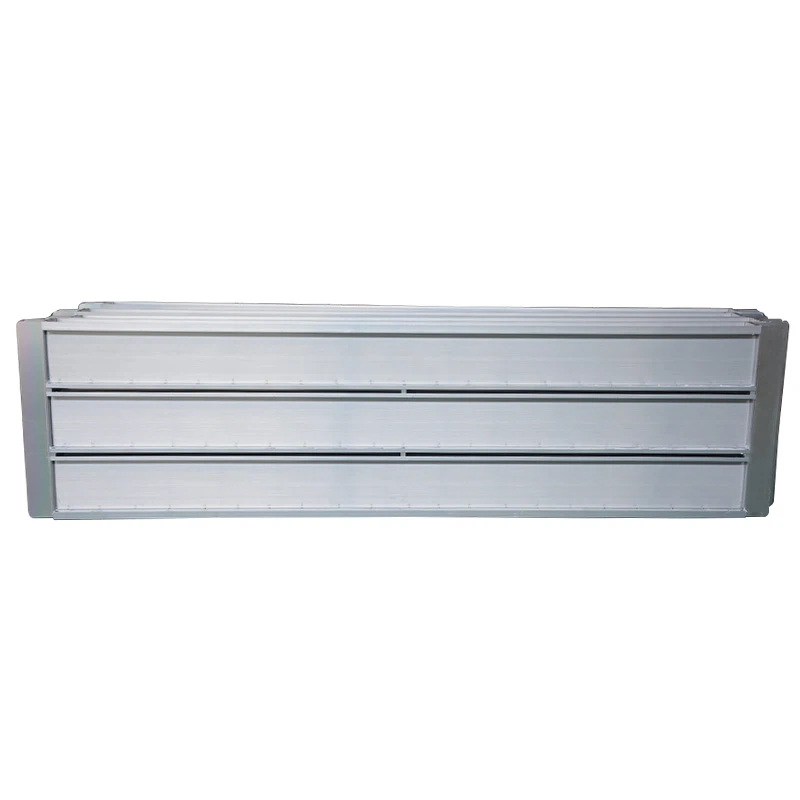
As a leading supplier of Copper Bus Duct, we offer a wide range of products with high - quality insulation. Our Sandwich Bus Duct Insulation is designed to withstand harsh operating conditions and provide long - term reliability.
We use advanced insulation materials that have excellent thermal, electrical, and mechanical properties. Our products are also tested rigorously to ensure compliance with international standards. Whether you need a High Current Busbar for a large - scale industrial application or a smaller bus duct for a commercial building, we have the right solution for you.
Contact Us for Your Procurement Needs
If you are interested in purchasing copper bus ducts or have any questions about the service life of insulation, we invite you to contact us. Our team of experts is ready to provide you with detailed information and technical support. We can help you select the right product for your specific application and ensure that you get the best value for your investment. Don't hesitate to reach out to us for procurement and to start a productive discussion about your electrical distribution needs.
References
- "Electrical Insulation Handbook" by James D. McMahon
- "Power System Protection and Switchgear" by J. R. Lucas
- Industry standards and guidelines related to electrical insulation in bus ducts
Send Inquiry