

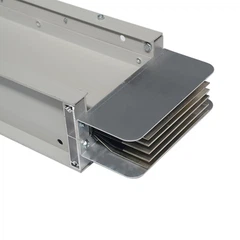
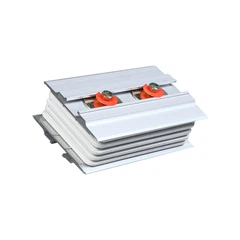
What is the rated current of a Bus Duct Tap Off Unit?
Oct 07, 2025
Leave a message
As a supplier of Bus Duct Tap Off Units, I often encounter inquiries about the rated current of these crucial components in electrical distribution systems. Understanding the rated current of a Bus Duct Tap Off Unit is fundamental for ensuring the safe and efficient operation of any electrical infrastructure. In this blog, I will delve into the concept of rated current, its significance, and how it relates to our Bus Duct Tap Off Units.
What is Rated Current?
The rated current of a Bus Duct Tap Off Unit refers to the maximum continuous electrical current that the unit can carry under specified conditions without exceeding its temperature limits and maintaining its performance characteristics. It is a critical parameter that determines the unit's capacity to handle electrical loads safely. The rated current is typically specified by the manufacturer and is based on various factors such as the conductor material, cross - sectional area, insulation type, and the cooling conditions of the unit.
For instance, if a Bus Duct Tap Off Unit has a rated current of 630A, it means that it can continuously carry a current of up to 630 amperes without overheating or experiencing significant degradation in its electrical properties. Exceeding the rated current can lead to excessive heat generation, which may cause insulation breakdown, conductor damage, and ultimately, a failure of the unit.
Factors Affecting the Rated Current
Conductor Material
The choice of conductor material plays a significant role in determining the rated current of a Bus Duct Tap Off Unit. Copper and aluminum are the two most commonly used conductor materials. Copper has a higher electrical conductivity than aluminum, which means that for the same cross - sectional area, a copper conductor can carry more current with less resistance and heat generation. As a result, Bus Duct Tap Off Units with copper conductors generally have a higher rated current compared to those with aluminum conductors. You can learn more about Aluminum Bus Duct on our website.
Cross - sectional Area
The cross - sectional area of the conductor is directly proportional to its current - carrying capacity. A larger cross - sectional area provides more space for the flow of electrons, reducing the resistance and allowing for a higher current to be carried. Therefore, Bus Duct Tap Off Units with larger conductor cross - sectional areas have higher rated currents.
Insulation Type
The insulation material used in the Bus Duct Tap Off Unit also affects its rated current. High - quality insulation materials can withstand higher temperatures without losing their insulating properties. This allows the unit to operate at a higher temperature, which in turn increases its current - carrying capacity. Insulation materials with good thermal conductivity can also help dissipate heat more effectively, further enhancing the rated current.
Cooling Conditions
The cooling conditions of the Bus Duct Tap Off Unit are crucial in determining its rated current. Adequate ventilation and cooling can remove the heat generated during operation, preventing the unit from overheating. Bus Duct Tap Off Units installed in well - ventilated areas or those equipped with cooling systems such as fans or heat sinks can have a higher rated current compared to those in poorly ventilated environments.
Importance of Correctly Selecting the Rated Current
Selecting the correct rated current for a Bus Duct Tap Off Unit is essential for several reasons. Firstly, it ensures the safety of the electrical system. Operating a unit beyond its rated current can lead to overheating, which is a major cause of electrical fires. By choosing a unit with an appropriate rated current, the risk of fire and other electrical hazards can be significantly reduced.


Secondly, it ensures the efficient operation of the electrical system. A Bus Duct Tap Off Unit that is properly sized for the load will operate at an optimal temperature, minimizing energy losses due to resistance. This can result in lower energy consumption and cost savings over the long term.
Finally, it extends the lifespan of the Bus Duct Tap Off Unit. Operating a unit within its rated current range reduces the stress on the components, preventing premature wear and tear. This can lead to fewer maintenance requirements and a longer service life for the unit.
Our Bus Duct Tap Off Units
At our company, we offer a wide range of Bus Duct Tap Off Units with different rated currents to meet the diverse needs of our customers. Our units are designed and manufactured using high - quality materials and advanced technologies to ensure reliable performance and safety.
We also offer New Generation Sandwich Busduct that incorporates the latest advancements in electrical distribution technology. These bus ducts are designed to provide high - performance, energy - efficient solutions for various applications.
Our team of experts can assist you in selecting the right Bus Duct Tap Off Unit with the appropriate rated current for your specific application. We take into account factors such as the load requirements, installation environment, and future expansion plans to ensure that you get the best - suited product.
Contact Us for Procurement
If you are in the market for a Bus Duct Tap Off Unit, we encourage you to contact us for procurement discussions. Our sales team is ready to answer your questions, provide detailed product information, and offer competitive pricing. Whether you are working on a small - scale project or a large - scale industrial installation, we have the expertise and products to meet your needs.
References
- Electrical Installation Guide, International Electrotechnical Commission (IEC)
- Handbook of Electrical Engineering, McGraw - Hill
Send Inquiry