

What cold - resistance measures should be taken for a busway connector in a low - temperature environment?
Aug 27, 2026
Leave a message
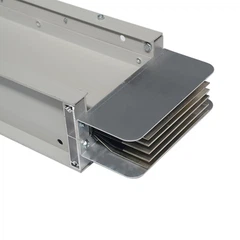
Hey there! As a supplier of busway connectors, I've seen firsthand how the cold can take a toll on these essential components. In a low - temperature environment, it's crucial to take proper cold - resistance measures to ensure the reliable operation of busway connectors. Let's dive into what steps we can take to protect these connectors from the harsh cold.
Understanding the Impact of Low Temperatures on Busway Connectors
First off, we need to understand why low temperatures are such a big deal for busway connectors. When it gets cold, the materials that make up the connectors can contract. This contraction can lead to loose connections, which in turn can cause increased resistance. Higher resistance means more heat generation, and that's a recipe for trouble. It can lead to overheating, reduced efficiency, and even potential system failures.
Another issue is the brittleness of materials at low temperatures. Insulation materials, in particular, can become more brittle, increasing the risk of cracks and breaks. If the insulation is compromised, it can lead to electrical leakage and short - circuits, which are extremely dangerous.
Selecting the Right Materials
One of the most important cold - resistance measures is choosing the right materials for the busway connectors.
For conductors, Copper-Clad Aluminum Conductor is a great option. It combines the conductivity of copper with the lightweight and cost - effectiveness of aluminum. This type of conductor has good cold - resistance properties as it can maintain its electrical performance even in low - temperature conditions. The copper cladding provides a protective layer that helps prevent oxidation and corrosion, which can be accelerated in cold and damp environments.
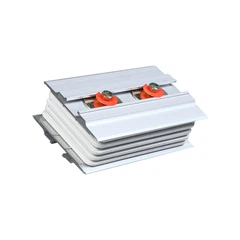
The Busway Connector Insulation Plate is also a key component. When selecting an insulation plate, look for materials that are specifically designed to withstand low temperatures. Some insulation materials become brittle in the cold, but modern plates are made from polymers that retain their flexibility even at sub - zero temperatures. This flexibility helps prevent cracking and ensures that the insulation remains intact, protecting against electrical hazards.


Insulation and Protection
Insulation is crucial for busway connectors in a low - temperature environment. Using High-Insulation Polyester Film can provide an extra layer of protection. This film has high dielectric strength and can effectively isolate the conductors from the external environment. It helps to prevent moisture from seeping in, which is a major concern in cold conditions as moisture can freeze and cause damage to the connectors.
In addition to using high - quality insulation materials, proper installation of insulation is also essential. Make sure that the insulation covers all the critical parts of the connector, leaving no exposed areas. This includes the connection points, where the risk of electrical leakage is highest.
Thermal Management
Even in a cold environment, thermal management is still important. Although the ambient temperature is low, the connectors can still generate heat due to electrical resistance. To prevent overheating, it's a good idea to use heat - dissipating materials or add heat sinks to the connectors. Heat sinks can help transfer the heat away from the connectors, keeping them at a safe operating temperature.
Another aspect of thermal management is to ensure proper ventilation. If the connectors are installed in an enclosed space, make sure there is adequate airflow to remove the heat. This can be achieved by installing vents or fans, depending on the specific application.
Regular Maintenance and Inspection
Regular maintenance and inspection are vital for ensuring the cold - resistance of busway connectors. In a low - temperature environment, it's important to check for signs of damage more frequently. Look for cracks in the insulation, loose connections, or any signs of corrosion.
During maintenance, clean the connectors to remove any dirt, dust, or ice that may have accumulated. This can help improve the electrical contact and prevent the build - up of moisture, which can lead to corrosion.
Protection Against Moisture and Ice
Moisture and ice are major enemies of busway connectors in a low - temperature environment. To protect against moisture, use waterproof enclosures or seals. These can prevent water from getting into the connectors and causing damage.
If ice forms on the connectors, it can cause mechanical stress and damage the insulation. To prevent ice formation, consider using heating elements or insulation blankets. These can keep the connectors at a temperature above freezing, preventing ice from forming.
Storage and Transportation
When storing or transporting busway connectors in a low - temperature environment, special care is needed. Make sure the connectors are stored in a dry and temperature - controlled environment. If they need to be transported in cold weather, use insulated containers to protect them from the cold.
Conclusion
In conclusion, taking proper cold - resistance measures for busway connectors in a low - temperature environment is essential for their reliable operation. By selecting the right materials, providing adequate insulation, managing heat, and performing regular maintenance, we can ensure that these connectors can withstand the harsh cold.
If you're in the market for high - quality busway connectors that are designed to handle low - temperature conditions, don't hesitate to reach out. We're here to help you find the best solutions for your specific needs. Whether you're working on a small project or a large - scale industrial application, we've got the expertise and products to meet your requirements.
References
- Electrical Engineering Handbook, Third Edition
- Standards for Electrical Connectors in Low - Temperature Environments
Send Inquiry