

What are the ventilation requirements for sandwich busduct?
Oct 27, 2025
Leave a message
Hey there! As a supplier of sandwich busduct, I've been getting a lot of questions lately about the ventilation requirements for these nifty electrical distribution systems. So, I thought I'd take a few minutes to break it down for you in a way that's easy to understand.
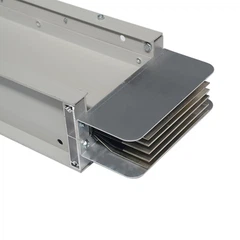
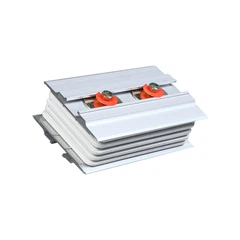
First off, let's talk about what sandwich busduct is. It's a type of electrical busway that consists of multiple conductors sandwiched between insulating layers. This design provides a compact and efficient way to distribute electrical power in commercial and industrial buildings. But like any electrical system, it generates heat, and that's where ventilation comes in.
The main reason we need ventilation for sandwich busduct is to keep the temperature under control. When electricity flows through the conductors, it creates resistance, which in turn generates heat. If the heat isn't dissipated properly, it can cause the insulation to break down, leading to short circuits, equipment damage, and even fires. So, proper ventilation is crucial for ensuring the safety and reliability of the busduct system.
There are several factors that determine the ventilation requirements for sandwich busduct. One of the most important is the ampacity, or the maximum amount of current that the busduct can carry. The higher the ampacity, the more heat the busduct will generate, and the more ventilation it will need. Other factors include the ambient temperature, the installation environment, and the type of insulation used.
In general, the ventilation requirements for sandwich busduct are specified by the manufacturer. They will provide guidelines on the minimum amount of airflow needed to keep the busduct within a safe temperature range. These guidelines typically take into account the ampacity of the busduct, the ambient temperature, and the installation environment.
For example, if you're installing a high-ampacity busduct in a hot and humid environment, you'll need to provide more ventilation than if you're installing a low-ampacity busduct in a cool and dry environment. The manufacturer may also recommend using additional cooling devices, such as fans or heat sinks, to help dissipate the heat.
Another important consideration is the location of the ventilation openings. The ventilation openings should be located in a way that allows for proper airflow through the busduct. They should be placed at the top and bottom of the busduct to create a natural convection current, which will help to draw the hot air out of the busduct and replace it with cooler air.
It's also important to make sure that the ventilation openings are not blocked by any objects. This includes dust, dirt, and debris, as well as other equipment or materials. Blocked ventilation openings can restrict the airflow and cause the temperature of the busduct to rise, which can lead to problems.
In addition to providing proper ventilation, it's also important to regularly inspect and maintain the busduct system. This includes checking the ventilation openings for blockages, cleaning the busduct, and testing the insulation resistance. Regular maintenance can help to identify and prevent potential problems before they become serious.
Now, let's talk about some of the different types of ventilation systems that can be used for sandwich busduct. One of the most common types is natural ventilation, which relies on the natural convection current to draw the hot air out of the busduct. This type of ventilation is simple and cost-effective, but it may not be sufficient for high-ampacity busducts or in hot and humid environments.
Another type of ventilation system is forced ventilation, which uses fans or blowers to create a forced airflow through the busduct. This type of ventilation is more effective than natural ventilation, but it also requires more energy and maintenance.
There are also hybrid ventilation systems that combine natural and forced ventilation. These systems use natural ventilation to provide the majority of the airflow, and then use fans or blowers to supplement the airflow when needed. This type of ventilation system is a good compromise between cost and effectiveness.
As a sandwich busduct supplier, I offer a range of ventilation solutions to meet the needs of my customers. Whether you need a simple natural ventilation system or a more complex hybrid ventilation system, I can help you find the right solution for your application.
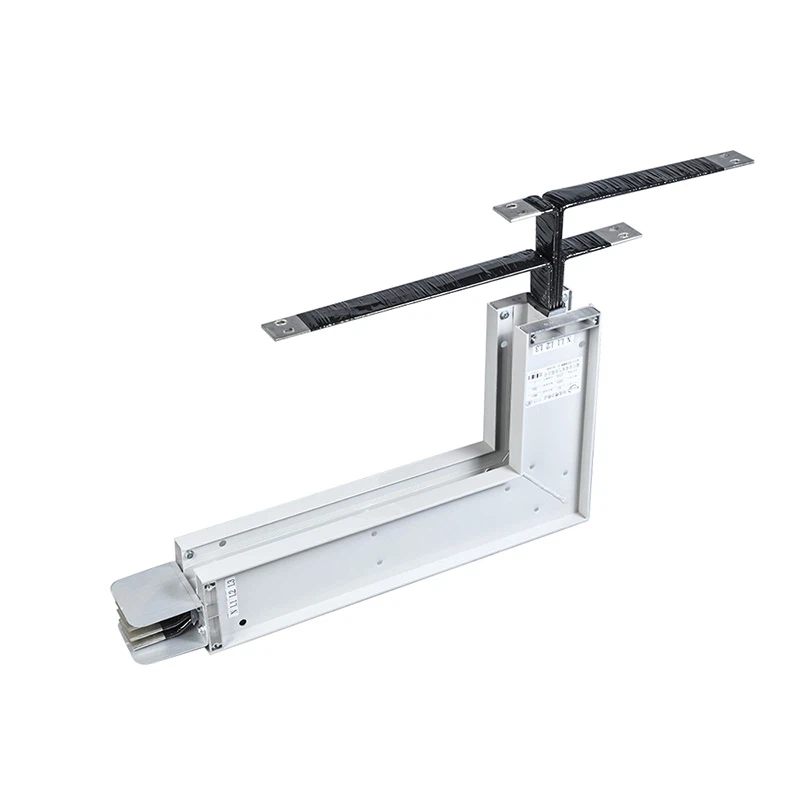
I also offer a range of other products and services, including 3 Phase Busbar Trunking, Copper Bus Duct, and Non-Standard Bus Duct Flange End. My team of experts can help you select the right products for your project and provide you with installation and maintenance services to ensure that your busduct system operates safely and efficiently.
If you're interested in learning more about the ventilation requirements for sandwich busduct or any of my other products and services, please don't hesitate to contact me. I'd be happy to answer any questions you may have and help you find the right solution for your needs.
In conclusion, proper ventilation is crucial for ensuring the safety and reliability of sandwich busduct systems. By understanding the factors that determine the ventilation requirements and choosing the right ventilation system, you can help to prevent problems and ensure that your busduct system operates efficiently for years to come. So, if you're in the market for sandwich busduct, make sure to consider the ventilation requirements and choose a supplier who can provide you with the right solutions.
References:

- Electrical Safety Foundation International. (n.d.). Busway Safety. Retrieved from [Website URL]
- National Electrical Manufacturers Association. (n.d.). Standard for Safety for Busways. Retrieved from [Website URL]
- Underwriters Laboratories. (n.d.). UL 857: Standard for Safety for Busways. Retrieved from [Website URL]
Send Inquiry