

What are the installation requirements for Air Insulated Busbar?
Oct 28, 2025
Leave a message
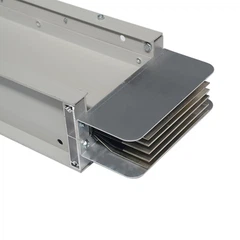
Air Insulated Busbars are a crucial component in modern electrical distribution systems, offering a reliable and efficient way to transmit electrical power. As a leading supplier of Air Insulated Busbars, I understand the importance of proper installation to ensure the safety and performance of these systems. In this blog post, I will discuss the key installation requirements for Air Insulated Busbars, providing valuable insights for electrical contractors, engineers, and facility managers.
Site Preparation
Before installing Air Insulated Busbars, it is essential to prepare the installation site properly. The site should be clean, dry, and free from any debris or obstructions. The floor should be level and capable of supporting the weight of the busbars and associated equipment. Additionally, the site should have adequate ventilation to prevent the accumulation of heat and moisture, which can affect the performance of the busbars.
It is also important to ensure that the installation site is protected from environmental factors such as dust, dirt, and water. This can be achieved by installing the busbars in a dedicated enclosure or by using protective covers. If the busbars are to be installed outdoors, they should be designed to withstand the specific environmental conditions of the location, such as extreme temperatures, humidity, and UV radiation.
Structural Support
Air Insulated Busbars are heavy and require proper structural support to prevent sagging or damage. The support structure should be designed to withstand the weight of the busbars, as well as any additional loads that may be imposed during operation, such as vibration and thermal expansion.
The support structure can be made of steel, aluminum, or other suitable materials. It should be securely anchored to the floor, walls, or ceiling to ensure stability. The spacing between the support points should be determined based on the size and weight of the busbars, as well as the expected load conditions.
Electrical Clearances
Maintaining proper electrical clearances is crucial for the safe operation of Air Insulated Busbars. Electrical clearances refer to the minimum distance between live parts and other conductive materials, such as the enclosure, support structure, and other electrical equipment.
The electrical clearances should be determined based on the voltage rating of the busbars and the applicable electrical codes and standards. In general, higher voltage busbars require larger electrical clearances to prevent electrical arcing and short circuits. The clearances should be measured and verified during the installation process to ensure compliance.
Connection and Termination
Proper connection and termination of Air Insulated Busbars are essential for ensuring reliable electrical performance. The connections should be made using high-quality connectors that are designed to withstand the electrical and mechanical stresses of the application.
Before making the connections, the busbar surfaces should be cleaned and degreased to ensure good electrical contact. The connectors should be tightened to the specified torque using a torque wrench to prevent loose connections, which can lead to overheating and electrical failures.
It is also important to ensure that the connections are properly insulated to prevent electrical shock and short circuits. This can be achieved by using insulating sleeves or covers. The insulation should be rated for the voltage and temperature of the application and should be installed according to the manufacturer's instructions.
Grounding
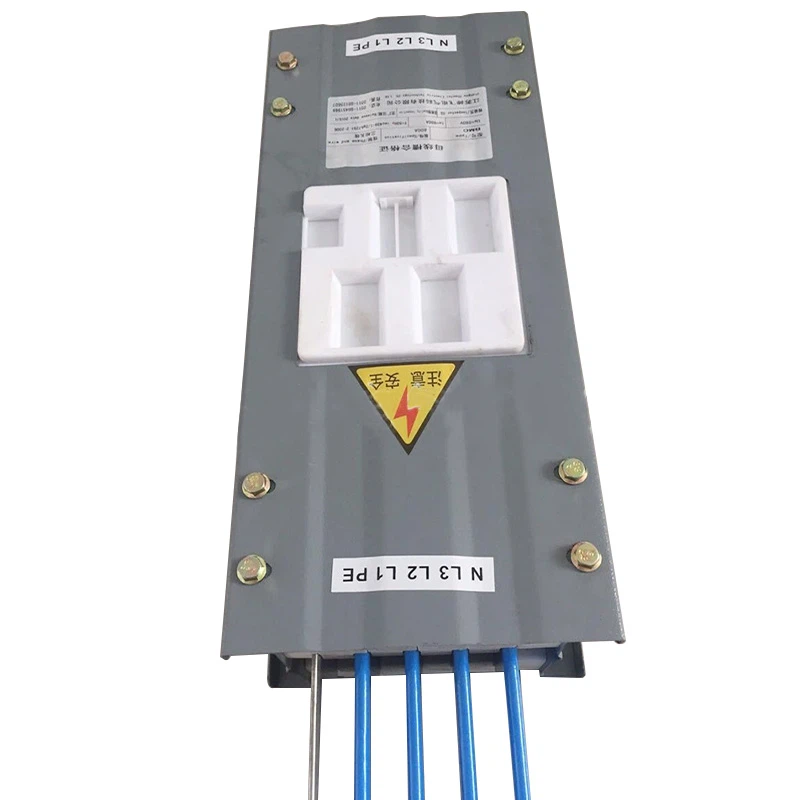
Grounding is an important safety feature of Air Insulated Busbars. It provides a path for electrical current to flow in the event of a fault, protecting personnel and equipment from electrical shock and damage.
The busbars should be grounded using a dedicated grounding conductor that is connected to the electrical grounding system of the facility. The grounding conductor should be sized according to the electrical code requirements and should be securely connected to the busbars and the grounding system.
In addition to the main grounding conductor, each section of the busbars should be equipped with a local grounding connection to ensure that any electrical charges are safely dissipated. The local grounding connections should be made using flexible grounding straps or cables and should be connected to the nearest grounding point.

Testing and Commissioning
After the installation of Air Insulated Busbars is complete, it is important to perform thorough testing and commissioning to ensure that the system is functioning properly. The testing should include electrical insulation resistance testing, continuity testing, and voltage testing.
The insulation resistance testing should be performed using a megohmmeter to measure the resistance between the live parts and the enclosure. The continuity testing should be performed to ensure that all connections are properly made and that there are no open circuits. The voltage testing should be performed to verify that the busbars are operating at the correct voltage.
Once the testing is complete and the results are satisfactory, the busbars can be commissioned for normal operation. During the commissioning process, the system should be monitored for a period of time to ensure that it is operating smoothly and that there are no issues or abnormalities.
Conclusion
Proper installation of Air Insulated Busbars is essential for ensuring the safety and performance of electrical distribution systems. By following the installation requirements outlined in this blog post, electrical contractors, engineers, and facility managers can ensure that the busbars are installed correctly and that they will provide reliable service for many years to come.
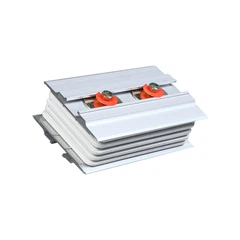
If you are in the market for Air Insulated Busbars or need assistance with the installation of your electrical distribution system, please feel free to contact us. We are a leading supplier of high-quality Air Insulated Busbars and related products, including Air-Insulated Bus Duct Elbow, 3-Phase Air-Insulated Bus Duct, and Air-Insulated Busway Tap Off Unit. Our team of experts is available to provide you with technical support and guidance to ensure that your project is a success.
References
- National Electrical Code (NEC)
- International Electrotechnical Commission (IEC) standards
- Manufacturer's installation and maintenance manuals
Send Inquiry