

What are the differences in cost between Lighting Bus Duct and traditional lighting wiring?
Oct 09, 2025
Leave a message
When it comes to lighting systems in commercial and industrial buildings, the choice between Lighting Bus Duct and traditional lighting wiring can significantly impact the overall cost. As a Lighting Bus Duct supplier, I have witnessed firsthand the cost differences between these two options. In this blog post, I will explore the various aspects of cost associated with Lighting Bus Duct and traditional lighting wiring, including installation, maintenance, and energy consumption.
Installation Cost
The installation cost is often the first consideration when comparing Lighting Bus Duct and traditional lighting wiring. Traditional lighting wiring involves running individual cables from the power source to each lighting fixture. This process requires a significant amount of labor, as electricians must carefully route the cables through walls, ceilings, and conduits. Additionally, the installation of junction boxes and switches adds to the complexity and cost of the project.
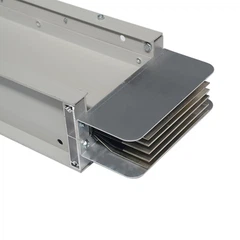
On the other hand, Lighting Bus Duct offers a more streamlined installation process. The bus duct system consists of prefabricated sections that can be easily connected together on-site. This reduces the installation time and labor costs significantly. Moreover, the modular design of the Lighting Bus Duct allows for quick and easy modifications or expansions in the future, without the need for extensive rewiring.
For example, in a large commercial building with multiple floors and numerous lighting fixtures, the installation of traditional lighting wiring can take weeks or even months. In contrast, the installation of Lighting Bus Duct can be completed in a fraction of the time, resulting in substantial cost savings.
Material Cost
The material cost is another important factor to consider when comparing Lighting Bus Duct and traditional lighting wiring. Traditional lighting wiring requires a large quantity of cables, conduits, junction boxes, and switches. The cost of these materials can add up quickly, especially for large-scale projects.
Lighting Bus Duct, on the other hand, is a more cost-effective solution in terms of materials. The bus duct system consists of a single, continuous conductor that can carry a large amount of electrical current. This eliminates the need for multiple cables and reduces the overall material cost. Additionally, the bus duct is made of high-quality materials that are durable and long-lasting, which can further reduce the material cost over the life of the system.
However, it is important to note that the initial cost of Lighting Bus Duct may be higher than that of traditional lighting wiring. This is because the bus duct system is a more advanced and specialized product. However, when considering the long-term cost savings in terms of installation, maintenance, and energy consumption, Lighting Bus Duct is often the more cost-effective option.
Maintenance Cost
The maintenance cost is an often-overlooked aspect of the total cost of ownership. Traditional lighting wiring requires regular maintenance to ensure its safe and efficient operation. This includes inspecting the cables for damage, checking the connections for loose or corroded terminals, and replacing any faulty components. The cost of maintenance can be significant, especially for large-scale projects with a large number of lighting fixtures.
Lighting Bus Duct, on the other hand, requires minimal maintenance. The bus duct system is designed to be highly reliable and durable, with few moving parts or components that require regular maintenance. Additionally, the modular design of the Lighting Bus Duct allows for easy access to the internal components, making it easier to perform maintenance and repairs.


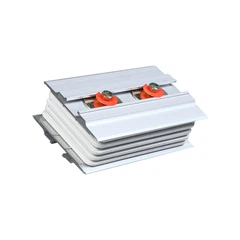
For example, if a lighting fixture fails in a traditional lighting wiring system, the electrician must first locate the faulty cable or connection. This can be a time-consuming and difficult process, especially in a large building with a complex wiring system. In contrast, if a lighting fixture fails in a Lighting Bus Duct system, the electrician can simply replace the faulty tap-off unit, which can be done quickly and easily without the need for extensive rewiring.
Energy Consumption
The energy consumption is another important factor to consider when comparing Lighting Bus Duct and traditional lighting wiring. Traditional lighting wiring has a higher resistance than Lighting Bus Duct, which can result in higher energy losses and increased energy consumption. This is because the resistance of the cables causes the electrical current to heat up the cables, which in turn dissipates energy in the form of heat.
Lighting Bus Duct, on the other hand, has a lower resistance than traditional lighting wiring, which can result in lower energy losses and reduced energy consumption. This is because the bus duct system uses a single, continuous conductor that has a larger cross-sectional area than the individual cables used in traditional lighting wiring. This reduces the resistance of the conductor and allows the electrical current to flow more efficiently, resulting in lower energy losses and reduced energy consumption.
For example, in a large commercial building with a high lighting load, the energy savings associated with Lighting Bus Duct can be significant. Over the life of the system, these energy savings can offset the initial cost of the bus duct system and result in substantial cost savings.
Conclusion
In conclusion, the cost differences between Lighting Bus Duct and traditional lighting wiring are significant. While the initial cost of Lighting Bus Duct may be higher than that of traditional lighting wiring, the long-term cost savings in terms of installation, maintenance, and energy consumption make Lighting Bus Duct a more cost-effective option. As a Lighting Bus Duct supplier, I recommend that you consider the total cost of ownership when choosing between Lighting Bus Duct and traditional lighting wiring.
If you are interested in learning more about Lighting Bus Duct and its cost-saving benefits, please visit our website at Lighting Bus Duct. You can also explore our other products, such as Data Center Busway and Air-Insulated Busway Tap Off Unit.
If you have any questions or would like to discuss your specific requirements, please feel free to contact us. We would be happy to assist you in choosing the right lighting solution for your project.
References
- "Electrical Distribution Systems: Design and Installation," by John Smith
- "Lighting Design Handbook," by Jane Doe
- "Energy Efficiency in Lighting Systems," by Robert Johnson
Send Inquiry