

How to protect high current busbars from dust?
Dec 23, 2025
Leave a message
Hey there! As a supplier of High Current Busbars, I've seen firsthand how dust can be a real pain in the you-know-what for these crucial electrical components. High Current Busbars are like the superhighways of an electrical system, carrying large amounts of current efficiently. But dust can really mess things up if not properly dealt with. So, let's dive into how we can protect these bad boys from that pesky dust.
Why Dust Is a Problem
First off, let's talk about why dust is such a big deal for High Current Busbars. When dust accumulates on the surface of the busbars, it can act as an insulator. This means that the heat generated by the flow of current has a harder time dissipating. Over time, this can lead to overheating, which is not only bad for the busbars themselves but can also pose a serious safety risk.
Another issue is that dust can contain conductive particles. If these particles get between the busbars or in contact with other electrical components, it can cause short circuits. And we all know that short circuits are a major headache, potentially leading to system failures, damage to equipment, and even fires.
Choosing the Right Enclosure
One of the most effective ways to protect High Current Busbars from dust is by using a proper enclosure. The enclosure acts as a physical barrier, preventing dust from getting to the busbars. When selecting an enclosure, there are a few things to keep in mind.
First, make sure the enclosure is made of a durable material that can withstand the environment where the busbars will be installed. For industrial settings, a rugged metal enclosure might be the best choice. It's strong, resistant to damage, and can provide good protection against dust and other contaminants.
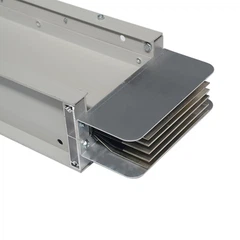
The enclosure should also have a proper sealing mechanism. A well-sealed enclosure will prevent dust from sneaking in through gaps or openings. Look for enclosures with gaskets or seals that are designed to keep dust out. You can check out our High Current Busbar options, which come with high-quality enclosures designed to keep dust at bay.
Regular Cleaning and Maintenance
Even with a good enclosure, some dust might still find its way to the busbars over time. That's why regular cleaning and maintenance are so important. I recommend setting up a schedule for checking and cleaning the busbars.
When cleaning the busbars, use a soft brush or compressed air to remove the dust. Avoid using abrasive materials or chemicals that could damage the busbars. If you're not sure how to clean the busbars properly, our team of experts can provide you with detailed instructions.
During the maintenance checks, also look for any signs of wear or damage. If you notice any issues, such as loose connections or signs of overheating, it's important to address them immediately. This can help prevent more serious problems down the road.
Filter Systems
Another option for protecting High Current Busbars from dust is to use filter systems. Filter systems can be installed in the ventilation or air intake areas of the enclosure. These filters can trap dust particles before they reach the busbars.


There are different types of filter systems available, ranging from simple mesh filters to more advanced HEPA filters. The type of filter you choose will depend on the level of dust in the environment and the specific requirements of your application. For example, in a very dusty industrial environment, a HEPA filter might be necessary to provide the highest level of protection.
If you're interested in learning more about filter systems for your High Current Busbars, you can reach out to us. We have a wide range of options and can help you select the right one for your needs.
Using Dust Repellent Coatings
Some manufacturers offer dust repellent coatings for High Current Busbars. These coatings can be applied to the surface of the busbars to help prevent dust from sticking. The coatings work by creating a smooth, non - adhesive surface that dust has a hard time adhering to.
When considering a dust repellent coating, make sure it's compatible with the busbar material and the electrical system. The coating should also not interfere with the electrical performance of the busbars. You can find more information about our Copper Bus Duct which may be available with dust - repellent coating options.
Design Considerations
The design of the electrical system can also play a role in protecting High Current Busbars from dust. For example, positioning the busbars away from areas where dust is likely to accumulate, such as near conveyor belts or open doors, can reduce the amount of dust that reaches them.
Also, consider the airflow in the enclosure. Proper airflow can help carry dust particles away from the busbars. Make sure there are adequate ventilation openings and that the airflow is directed in a way that minimizes dust buildup on the busbars.
Protection for Non - Standard Installations
If you have non - standard bus duct installations, such as those with Non - Standard Bus Duct Flange End, extra care needs to be taken. These non - standard components may have unique design features that make them more vulnerable to dust ingress.
For non - standard installations, it's important to work closely with a supplier who has experience in dealing with these types of components. We have a team of experts who can provide customized solutions for protecting your non - standard High Current Busbars from dust.
Conclusion
Protecting High Current Busbars from dust is crucial for ensuring their reliable operation and longevity. By choosing the right enclosure, performing regular cleaning and maintenance, using filter systems, applying dust repellent coatings, and considering design factors, you can significantly reduce the risk of dust - related problems.
If you're in the market for High Current Busbars or need help with protecting your existing ones from dust, don't hesitate to reach out. We're here to provide you with the best products and solutions to meet your needs. Whether you have a standard or non - standard installation, we've got you covered. Let's work together to keep your electrical systems running smoothly and safely.
References
- Electrical Installation Handbook, Siemens AG
- Handbook of Electrical Engineering for Engineers and Technicians, McGraw - Hill Education
Send Inquiry