

How to protect a waterproof busbar from mechanical damage?
Oct 24, 2025
Leave a message
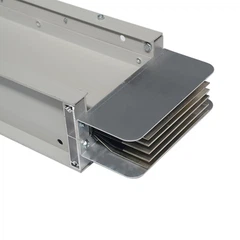
As a supplier of Waterproof Busbars, I understand the significance of protecting these crucial electrical components from mechanical damage. Mechanical damage can compromise the integrity of a waterproof busbar, leading to electrical failures, safety hazards, and costly repairs. In this blog post, I will share some effective strategies on how to protect a waterproof busbar from mechanical damage.


Understanding the Risks of Mechanical Damage
Before delving into protective measures, it's essential to understand the potential sources of mechanical damage to waterproof busbars. These can include impacts from tools or equipment during installation or maintenance, vibrations from nearby machinery, abrasion from contact with other objects, and excessive bending or twisting forces.
Design and Installation Considerations
- Proper Sizing and Placement: Ensure that the waterproof busbar is correctly sized for the electrical load it will carry. An undersized busbar can overheat, while an oversized one may be more susceptible to mechanical stress. Additionally, place the busbar in a location where it is less likely to be exposed to physical impacts or vibrations. For example, avoid installing it in high-traffic areas or near moving machinery.
- Use of Protective Enclosures: One of the most effective ways to protect a waterproof busbar is by using a suitable protective enclosure. These enclosures can shield the busbar from impacts, dust, and moisture. When selecting an enclosure, consider factors such as its material, strength, and IP (Ingress Protection) rating. A higher IP rating indicates better protection against solid objects and water. For instance, an IP67-rated enclosure can provide excellent protection against dust and immersion in water for a limited time.
- Secure Mounting: Proper mounting is crucial to prevent the busbar from moving or vibrating, which can lead to mechanical damage. Use high-quality mounting brackets and fasteners to secure the busbar firmly in place. Ensure that the mounting surface is flat and stable to distribute the weight evenly. Additionally, consider using vibration-dampening materials, such as rubber gaskets or pads, to reduce the impact of vibrations.
Handling and Maintenance Practices
- Careful Handling During Installation: During the installation process, handle the waterproof busbar with care to avoid any physical damage. Use appropriate lifting equipment and techniques to prevent bending or twisting the busbar. When connecting the busbar to other components, follow the manufacturer's instructions carefully to ensure proper alignment and connection.
- Regular Inspections: Conduct regular inspections of the waterproof busbar to detect any signs of mechanical damage early. Look for cracks, dents, or signs of wear and tear on the busbar and its enclosure. Check the mounting brackets and fasteners for tightness and corrosion. If any damage is detected, take immediate action to repair or replace the affected parts.
- Proper Maintenance: Follow the manufacturer's recommended maintenance schedule for the waterproof busbar. This may include cleaning the busbar and its enclosure regularly to remove dust and debris. Lubricate moving parts, if applicable, to ensure smooth operation. Additionally, check the electrical connections for tightness and proper insulation to prevent electrical failures.
Additional Protective Measures
- Use of Guards and Barriers: In some cases, it may be necessary to install additional guards or barriers around the waterproof busbar to prevent accidental contact or damage. These can include metal guards, plastic barriers, or safety nets. Ensure that the guards and barriers are securely installed and do not interfere with the normal operation of the busbar.
- Training and Education: Provide training and education to personnel who will be working with or around the waterproof busbar. Teach them about the importance of protecting the busbar from mechanical damage and the proper handling and maintenance procedures. This can help reduce the risk of human error and ensure the long-term reliability of the busbar.
Conclusion
Protecting a waterproof busbar from mechanical damage is essential for ensuring its reliable operation and longevity. By following the design, installation, handling, and maintenance practices outlined in this blog post, you can significantly reduce the risk of mechanical damage to your waterproof busbar. As a [Your Company Position] at a leading supplier of [Waterproof Busbar], I am committed to providing high-quality products and solutions to meet your electrical distribution needs. If you have any questions or need further information about our [Waterproof Busbar] or other products, such as the [Cast Resin Busduct Feeder Unit] and [Cast Resin Busduct], please feel free to contact us for a detailed discussion and potential procurement.
References
- Electrical Safety Standards and Guidelines
- Manufacturer's Documentation for Waterproof Busbars
- Industry Best Practices for Electrical Component Protection
Send Inquiry