

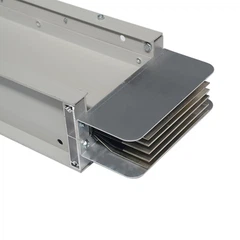
How to protect a Bus Duct Tap Off Unit from shock?
Dec 18, 2025
Leave a message
As a supplier of Bus Duct Tap Off Units, I understand the critical importance of protecting these units from electrical shock. Electrical shock can not only cause serious injury or even death to personnel but also lead to significant damage to equipment and disruption of power supply systems. In this blog post, I will share some effective strategies and best practices on how to protect a Bus Duct Tap Off Unit from shock.
Understanding the Risks
Before delving into the protective measures, it's essential to understand the potential sources of electrical shock in a Bus Duct Tap Off Unit. These units are designed to extract power from a bus duct system, and they typically operate at high voltages. Any exposed live parts, faulty insulation, or improper installation can create a risk of electrical shock.
One of the primary causes of electrical shock is the presence of exposed conductors. In a Bus Duct Tap Off Unit, the conductors carry high - voltage electricity, and if they are not properly insulated or covered, they can pose a significant danger. Another risk factor is the deterioration of insulation over time. Insulation can be damaged by factors such as heat, moisture, mechanical stress, and chemical exposure, which can lead to a breakdown in the insulation and increase the risk of shock.
Proper Installation
The first step in protecting a Bus Duct Tap Off Unit from shock is to ensure proper installation. This involves following all relevant electrical codes and standards. When installing the unit, it is crucial to make sure that all connections are tight and secure. Loose connections can generate heat, which can damage the insulation and increase the risk of electrical shock.
The installation should also include proper grounding. Grounding provides a safe path for electrical current in the event of a fault, diverting the current away from personnel and equipment. The grounding conductor should be of the appropriate size and material, and it should be connected to a reliable grounding electrode.


Additionally, the Bus Duct Tap Off Unit should be installed in a suitable location. It should be placed in an area that is protected from physical damage, moisture, and excessive heat. For example, it should not be installed in areas prone to flooding or where it can be easily bumped or knocked by moving equipment.
Insulation and Enclosure
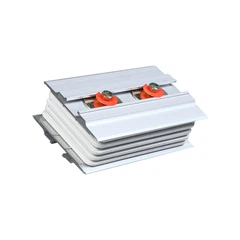
High - quality insulation is the cornerstone of shock protection in a Bus Duct Tap Off Unit. The conductors should be well - insulated to prevent the flow of electrical current to unintended paths. Sandwich Bus Duct Insulation is a popular choice for many Bus Duct Tap Off Units as it provides excellent electrical insulation properties.
The unit should also be enclosed in a suitable housing. The enclosure serves as a physical barrier, preventing unauthorized access to the live parts of the unit. It should be made of a non - conductive material that can withstand the environmental conditions in which the unit is installed. The enclosure should be properly sealed to prevent the ingress of dust, moisture, and other contaminants.
Regular Maintenance and Inspection
Regular maintenance and inspection are essential for ensuring the continued safety of a Bus Duct Tap Off Unit. Maintenance should include checking the insulation resistance of the conductors. A low insulation resistance value can indicate a problem with the insulation, such as damage or moisture ingress. If the insulation resistance is below the recommended level, the insulation should be repaired or replaced.
Inspection should also cover the physical condition of the unit, including the enclosure, connections, and grounding. Any signs of damage, such as cracks in the enclosure or loose connections, should be addressed immediately. The grounding system should be tested regularly to ensure that it is functioning properly.
Personal Protective Equipment (PPE)
When working on or near a Bus Duct Tap Off Unit, personnel should wear appropriate Personal Protective Equipment (PPE). This includes insulated gloves, safety glasses, and protective clothing. Insulated gloves are designed to prevent electrical current from passing through the hands, providing an additional layer of protection against shock.
Safety glasses protect the eyes from any potential electrical arcing or flying debris. Protective clothing, such as flame - resistant suits, can protect the body from burns in the event of an electrical fault.
Training and Education
Proper training and education are crucial for anyone who works with or around Bus Duct Tap Off Units. Personnel should be trained on the potential hazards associated with electrical shock and the proper procedures for working safely. This includes understanding how to use PPE correctly, how to perform maintenance and inspection tasks, and what to do in the event of an electrical emergency.
Training should also cover the specific features and operation of the Bus Duct Tap Off Unit. For example, personnel should know how to properly isolate the unit before performing any maintenance work and how to reconnect it safely.
Use of Safety Devices
In addition to the above measures, the use of safety devices can further enhance the protection of a Bus Duct Tap Off Unit from shock. Circuit breakers and fuses are commonly used to protect the unit from overcurrent conditions. These devices automatically interrupt the flow of electrical current when the current exceeds a certain level, preventing damage to the unit and reducing the risk of shock.
Ground Fault Circuit Interrupters (GFCIs) can also be installed in the Bus Duct Tap Off Unit. GFCIs are designed to detect small imbalances in the electrical current, which can indicate a fault to ground. When a fault is detected, the GFCI quickly interrupts the current, providing an additional layer of protection against electrical shock.
Compatibility with the Bus Duct System
The Bus Duct Tap Off Unit should be compatible with the bus duct system in which it is installed. Different types of bus duct systems, such as 3 Phase Busbar Trunking and Phase Segregated Bus Duct, have different electrical characteristics and requirements.
Ensuring compatibility means that the unit can operate safely and efficiently within the system. This includes matching the voltage, current, and frequency ratings of the unit with those of the bus duct system. Incompatible units can lead to overheating, insulation breakdown, and an increased risk of electrical shock.
Conclusion
Protecting a Bus Duct Tap Off Unit from shock is a multi - faceted process that requires proper installation, high - quality insulation, regular maintenance, the use of PPE, training, and the installation of safety devices. By implementing these strategies, we can significantly reduce the risk of electrical shock and ensure the safe and reliable operation of the Bus Duct Tap Off Unit.
As a supplier of Bus Duct Tap Off Units, we are committed to providing high - quality products that meet the highest safety standards. If you are in the market for a Bus Duct Tap Off Unit or need more information on shock protection, please feel free to contact us for a procurement discussion. We have a team of experts who can help you select the right unit for your specific needs and provide guidance on installation and maintenance.
References
- Electrical Safety Standards Handbook
- National Electrical Code (NEC)
- Manufacturer's Installation and Maintenance Manuals for Bus Duct Tap Off Units
Send Inquiry