

How does the enclosure material affect the performance of a Busway Feeder Box?
Oct 06, 2025
Leave a message
Hey there! As a supplier of Busway Feeder Boxes, I've been getting a lot of questions lately about how the enclosure material affects the performance of these boxes. So, I thought I'd take a moment to share some insights on this topic.
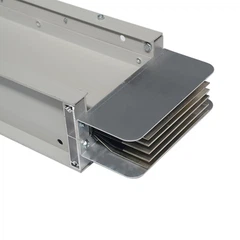
First off, let's talk about what a Busway Feeder Box is. It's a crucial component in electrical distribution systems, used to connect busways to various electrical loads. The enclosure of the feeder box not only protects the internal components but also plays a significant role in its overall performance.
One of the most important factors affected by the enclosure material is thermal management. Different materials have different thermal conductivities, which means they transfer heat at different rates. For example, metal enclosures, such as those made of steel or aluminum, are generally good conductors of heat. This is great because it allows the heat generated inside the feeder box to dissipate more efficiently. When heat builds up inside the box, it can cause the electrical components to overheat, which can lead to reduced performance, shorter lifespan, and even safety hazards. So, a good thermal conductor like metal helps keep the temperature in check.
On the other hand, plastic enclosures have lower thermal conductivity. This can be a drawback in high - power applications where a lot of heat is generated. However, plastic has its own advantages. It's lightweight, corrosion - resistant, and can be easily molded into different shapes. This makes it a popular choice for some applications where weight and flexibility are more important than high - end thermal performance.
Another aspect is electrical insulation. The enclosure material needs to provide adequate insulation to prevent electrical shocks and short - circuits. Metal enclosures are usually grounded, which helps in diverting any stray electrical currents safely to the ground. But they need to be properly insulated on the inside to prevent contact with live electrical parts. Plastic, on the other hand, is an excellent insulator by nature. It can provide a high level of electrical safety without the need for additional internal insulation in many cases.
Durability is also a key consideration. In industrial environments, the feeder box may be exposed to harsh conditions such as dust, moisture, chemicals, and physical impacts. Metal enclosures are generally more durable and can withstand these harsh conditions better than plastic. They are less likely to crack or break under pressure. However, plastic enclosures can be treated to improve their durability, and some high - quality plastics can offer good resistance to environmental factors.
Let's now look at some specific materials and their impact on performance.
Steel Enclosures
Steel is a popular choice for Busway Feeder Box enclosures. It's strong, durable, and has good thermal conductivity. Steel enclosures can handle high mechanical stress, making them suitable for industrial settings where the boxes may be subject to rough handling or vibrations. They also offer good electromagnetic shielding, which can be important in environments where there are a lot of electrical interferences. However, steel is prone to corrosion if not properly coated. So, a good anti - corrosion coating is essential to ensure a long lifespan.
Aluminum Enclosures
Aluminum is lighter than steel, which can be an advantage in applications where weight is a concern, such as in overhead installations. It also has excellent thermal conductivity and is highly resistant to corrosion. Aluminum enclosures are often used in outdoor or marine applications where they are exposed to moisture and saltwater. The only downside is that aluminum is a softer metal compared to steel, so it may be more prone to dents and scratches.
Plastic Enclosures
As mentioned earlier, plastic enclosures are lightweight and easy to install. They are also non - conductive, which provides a high level of electrical safety. Some plastics, like polycarbonate, are impact - resistant and can withstand a fair amount of abuse. However, they may not be as suitable for high - power applications due to their lower thermal conductivity.
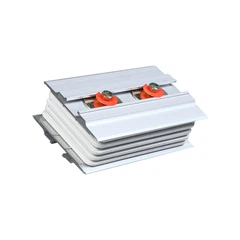
Now, let's talk about some of the core accessories that work in conjunction with the Busway Feeder Box. The Copper Busway Connector is an essential part. It provides a reliable electrical connection between the busway and the feeder box. Copper is a great conductor of electricity, which helps in minimizing power losses and ensuring efficient power transfer.
The Busway Spring Support is another important accessory. It helps in supporting the busway and absorbing vibrations. This is crucial because vibrations can cause mechanical stress on the feeder box and its components, leading to premature failure.


The Copper - Clad Aluminum Conductor is a cost - effective alternative to pure copper conductors. It combines the conductivity of copper on the outside with the lightweight and cost - efficiency of aluminum on the inside.
In conclusion, the choice of enclosure material for a Busway Feeder Box has a significant impact on its performance. When selecting the material, you need to consider factors such as thermal management, electrical insulation, durability, and the specific requirements of the application. As a supplier, I can help you make the right choice based on your needs.
If you're in the market for a Busway Feeder Box or have any questions about the enclosure material or the accessories, don't hesitate to reach out. We're here to assist you in finding the best solution for your electrical distribution needs. Let's start a conversation and see how we can work together to meet your requirements.
References
- Electrical Distribution Handbook
- Industrial Electrical Equipment Manual
Send Inquiry