

Are there any safety precautions when installing a busway vertical elbow?
Oct 17, 2025
Leave a message
Hey there! As a supplier of Busway Vertical Elbows, I often get asked about the safety precautions when installing these crucial components. Today, I'm gonna break it down for you in a simple and straightforward way.
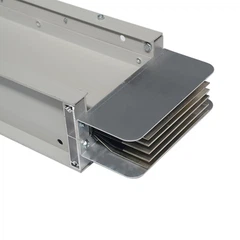
First off, let's understand what a Busway Vertical Elbow is. It's an essential part of an electrical distribution system that allows the busway to change direction vertically. This is super important in buildings where space is limited or where the electrical layout requires vertical routing.
Now, onto the safety precautions.
1. Pre - installation Checks
Before you even start the installation, you need to do a thorough inspection of the Busway Vertical Elbow. Check for any visible damage like cracks, dents, or loose parts. A damaged elbow can lead to electrical faults, which are not only dangerous but can also cause costly downtime. Make sure all the components are in good condition and that the elbow is the right size and type for your specific application.
You should also review the installation manual provided by the manufacturer. This manual contains all the technical details and safety instructions you need to follow. It'll tell you things like the maximum current capacity, the proper torque for tightening bolts, and the recommended installation environment. Ignoring the manual is like driving a car without reading the owner's manual - you're asking for trouble.
2. Personal Protective Equipment (PPE)
When installing a Busway Vertical Elbow, wearing the right PPE is non - negotiable. You should always wear safety glasses to protect your eyes from any flying debris or sparks. Gloves are also a must - they'll protect your hands from sharp edges and electrical shock. Depending on the installation environment, you might also need to wear a hard hat, especially if there's a risk of falling objects.
A flame - resistant suit is another important piece of PPE, especially if you're working in an area where there's a risk of electrical arcing. Electrical arcing can produce extremely high temperatures and flames, and a flame - resistant suit can save your life in such a situation.
3. Electrical Safety
One of the most important safety aspects is electrical safety. Before you start working on the Busway Vertical Elbow, make sure the power is turned off at the main source. This might seem obvious, but you'd be surprised how many accidents happen because someone forgot to switch off the power. Use a voltage tester to double - check that there's no electricity flowing through the busway.
When handling the elbow, avoid touching any exposed conductors. Conductors are the parts of the busway that carry electricity, and even a small amount of electrical current can be dangerous. If you need to make any connections, make sure you do it carefully and follow the proper procedures. Loose connections can cause overheating, which can lead to fires or electrical failures.
4. Installation Environment
The environment where you're installing the Busway Vertical Elbow matters a lot. The area should be clean and dry. Moisture can cause corrosion and electrical shorts, so if there's any water or high humidity, you need to address it before starting the installation. You might need to use dehumidifiers or waterproofing materials to create a suitable environment.
The installation area should also be well - ventilated. Electrical equipment generates heat, and proper ventilation helps to dissipate this heat. Overheating can damage the Busway Vertical Elbow and other components of the electrical system. If the area is not well - ventilated, you might need to install fans or other ventilation systems.
5. Lifting and Handling
Busway Vertical Elbows can be heavy, so proper lifting and handling techniques are crucial. Use the right lifting equipment, such as cranes or hoists, to move the elbow into place. Make sure the lifting equipment is rated for the weight of the elbow.
When lifting, ensure that the elbow is balanced and secure. An unbalanced load can tip over and cause serious injuries. If you're working with a team, communicate clearly with each other to coordinate the lifting process.
6. Connection and Termination
Proper connection and termination are vital for the safe operation of the Busway Vertical Elbow. When making connections, use the correct tools and follow the manufacturer's instructions. Tighten all the bolts to the recommended torque. Loose bolts can cause poor electrical contact, which can lead to overheating and electrical failures.
Inspect the connections regularly after the installation. Over time, vibrations and temperature changes can cause the connections to loosen. By checking them regularly, you can catch any potential problems early and prevent accidents.
7. Testing and Commissioning
Once the Busway Vertical Elbow is installed, it's important to test it before putting it into operation. Use a variety of testing equipment, such as insulation resistance testers and circuit breakers, to check the electrical performance of the elbow. These tests will help you identify any potential issues, such as short circuits or low insulation resistance.


After the testing is complete and everything is working properly, you can commission the Busway Vertical Elbow. This means gradually bringing it up to full load and monitoring its performance. If any problems are detected during commissioning, address them immediately.
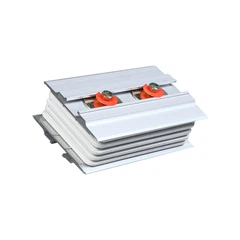
Now, if you're in the market for high - quality Busway Vertical Elbows, we've got you covered. We also offer related products like 3 Phase Busbar Trunking, Bus Duct Tap Off Unit, and High Current Busbar. Our products are designed to meet the highest safety and performance standards.
If you're interested in learning more about our products or want to discuss a specific project, don't hesitate to reach out. We're here to help you make the right choice for your electrical distribution needs.
References
- Electrical Safety Standards Handbook
- Busway Installation and Maintenance Guide
Send Inquiry