

What is the installation space requirement for outdoor bus duct?
Dec 16, 2025
Leave a message
When it comes to outdoor electrical distribution, outdoor bus ducts play a crucial role in ensuring efficient and reliable power transmission. As an outdoor bus duct supplier, I often get asked about the installation space requirements for these essential components. In this blog, I'll delve into the key factors that influence the installation space for outdoor bus ducts, providing useful insights for anyone involved in electrical planning and installation projects.
Understanding Outdoor Bus Ducts
Outdoor bus ducts are enclosed electrical conductors that are designed to carry electrical power from one point to another. They are commonly used in industrial settings, commercial buildings, and power generation facilities. These bus ducts are typically made of high - quality materials such as copper or aluminum conductors, and they are often enclosed in a protective casing to shield them from the elements.
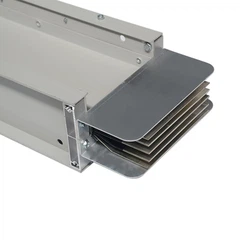
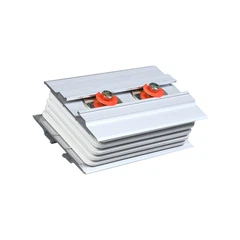
Our product range includes Epoxy Resin Cast Busway Elbow, Cast Resin Busduct Feeder Unit, and Dual - Conductor Cast Resin Busduct, which are all suitable for outdoor applications due to their robust design and excellent electrical performance.
Factors Affecting Installation Space
1. Bus Duct Size and Configuration
The physical dimensions of the bus duct itself are the most obvious factor influencing installation space. Larger bus ducts with higher current - carrying capacities will require more space. For example, a dual - conductor cast resin busduct may have a wider profile compared to a single - conductor one. The configuration of the bus duct, such as straight runs, elbows, and tee connections, also affects the space needed. Elbows and tee connections require additional clearance to ensure proper installation and maintenance access.
When designing the layout, it is essential to consider the overall length of the bus duct runs. Longer runs may require more support structures, which in turn take up additional space. Moreover, the number of branches and tap - offs in the bus duct system will increase the complexity of the installation and require more space for proper connection and isolation.
2. Clearance Requirements
Clearance is a critical aspect of outdoor bus duct installation. Adequate clearance is necessary to prevent electrical arcing, ensure safety, and allow for proper ventilation. The clearance requirements are determined by several factors, including the voltage level of the bus duct, the environmental conditions, and the applicable electrical codes.
For high - voltage bus ducts, the clearance distances are significantly larger due to the increased risk of electrical arcing. In areas with high levels of dust, pollution, or moisture, additional clearance may be required to prevent the build - up of contaminants on the bus duct surface, which could lead to insulation breakdown. Electrical codes, such as the National Electrical Code (NEC) in the United States, provide specific guidelines on minimum clearance distances for different voltage levels and installation conditions.
3. Maintenance and Accessibility
Proper maintenance is essential to ensure the long - term reliability of outdoor bus ducts. Therefore, sufficient space must be provided for maintenance personnel to access the bus duct system. This includes space for opening the enclosure, inspecting the conductors, and performing any necessary repairs or replacements.
Maintenance access should be available on all sides of the bus duct, especially at connection points and joints. Lift equipment or access platforms may be required for large - scale bus duct installations, which means that additional space for these tools must be considered. Regular maintenance tasks, such as cleaning, tightening connections, and checking insulation resistance, should be able to be carried out without excessive difficulty or the risk of accidental damage to the bus duct.
4. Environmental Considerations
Outdoor bus ducts are exposed to various environmental conditions, such as sunlight, rain, snow, and temperature fluctuations. These factors can affect the performance and lifespan of the bus duct and must be taken into account when determining the installation space.
For example, in areas with extreme temperature variations, expansion joints may be required in the bus duct system. These expansion joints allow the bus duct to expand and contract without causing damage to the structure. Enough space must be provided to accommodate the movement of these expansion joints. Additionally, proper drainage and waterproofing are essential to prevent water from accumulating inside the bus duct enclosure. This may require the installation of sloped bases or drainage channels, which also take up space.
Calculating the Required Installation Space
To calculate the installation space for outdoor bus ducts, a detailed design process is necessary. First, the electrical requirements of the project, such as the voltage, current, and number of phases, must be determined. Based on these requirements, the appropriate bus duct size and configuration can be selected.


Next, the clearance distances must be calculated according to the applicable electrical codes and environmental conditions. The length and layout of the bus duct runs, including any elbows, tee connections, and branches, should be carefully planned. The space required for maintenance access and any additional equipment, such as expansion joints and drainage systems, should also be added to the total space calculation.
It is often beneficial to use computer - aided design (CAD) software to create a 3D model of the bus duct installation. This allows for a more accurate visualization of the space requirements and can help identify any potential conflicts or issues before the installation begins.
Importance of Meeting Installation Space Requirements
Meeting the installation space requirements for outdoor bus ducts is of utmost importance. Failure to provide adequate space can lead to a variety of problems. Insufficient clearance can result in electrical arcing, which can cause damage to the bus duct, disrupt power supply, and pose a safety hazard to personnel. Inadequate maintenance access can make it difficult or impossible to perform necessary maintenance tasks, leading to premature failure of the bus duct system.
Moreover, non - compliance with electrical codes can result in fines and legal issues. By ensuring that the installation space requirements are met, the reliability, safety, and performance of the outdoor bus duct system can be guaranteed.
Conclusion
In conclusion, the installation space requirement for outdoor bus ducts is a complex issue that is influenced by multiple factors. As an outdoor bus duct supplier, we understand the importance of providing clear and accurate information about these requirements to our customers. By carefully considering the bus duct size and configuration, clearance requirements, maintenance accessibility, and environmental factors, a proper installation space can be determined.
If you are planning an outdoor electrical distribution project and need high - quality outdoor bus ducts, as well as expert advice on installation space requirements, we are here to help. Whether you need Epoxy Resin Cast Busway Elbow, Cast Resin Busduct Feeder Unit, or Dual - Conductor Cast Resin Busduct, we can offer you a comprehensive solution. Reach out to us to discuss your specific needs and start the procurement process.
References
- National Electrical Code (NEC)
- IEEE Standards for Power Distribution
- Manufacturer's Installation and Maintenance Manuals for Outdoor Bus Ducts
Send Inquiry