

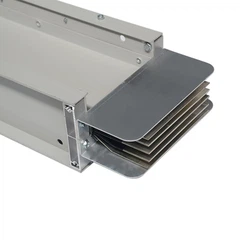
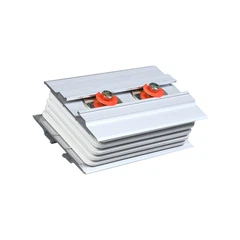
What is the electrical efficiency of outdoor bus duct?
Nov 26, 2025
Leave a message
As a supplier of outdoor bus ducts, I've been frequently asked about the electrical efficiency of these crucial components in electrical distribution systems. In this blog post, I'll delve into the concept of electrical efficiency in outdoor bus ducts, exploring its significance, influencing factors, and how our products are designed to optimize it.
Understanding Electrical Efficiency
Electrical efficiency is a measure of how effectively an electrical system converts electrical energy into useful work. In the context of outdoor bus ducts, it refers to the ratio of the power delivered to the load to the power supplied at the input. A higher electrical efficiency means less energy is wasted in the form of heat, which not only reduces operational costs but also contributes to a more sustainable and environmentally friendly electrical infrastructure.
The formula for calculating electrical efficiency (η) is as follows:
[ \eta = \frac{P_{out}}{P_{in}} \times 100% ]
where ( P_{out} ) is the output power and ( P_{in} ) is the input power.
Significance of Electrical Efficiency in Outdoor Bus Ducts
In outdoor applications, bus ducts are exposed to a variety of environmental conditions, including temperature variations, humidity, and dust. These factors can have a significant impact on the electrical efficiency of the bus ducts. A high - efficiency outdoor bus duct is essential for several reasons:
- Cost Savings: Reduced energy losses mean lower electricity bills. Over the long term, even a small improvement in efficiency can result in substantial cost savings for the end - user.
- Reliability: Lower energy losses translate to less heat generation within the bus duct. Excessive heat can degrade the insulation materials and other components, leading to premature failure. By maintaining high efficiency, the reliability and lifespan of the bus duct are improved.
- Environmental Impact: With the growing emphasis on sustainability, minimizing energy waste is crucial. High - efficiency outdoor bus ducts help reduce the overall carbon footprint of the electrical system.
Factors Affecting the Electrical Efficiency of Outdoor Bus Ducts
Material Selection
The choice of materials for the bus bars and insulation has a direct impact on electrical efficiency. Copper and aluminum are the most commonly used materials for bus bars. Copper has a lower resistivity than aluminum, which means less energy is lost as heat when current flows through it. However, aluminum is lighter and less expensive, making it a popular choice for certain applications.
For insulation, materials with high dielectric strength and low dielectric loss are preferred. Epoxy resin is a common insulation material for outdoor bus ducts due to its excellent electrical properties, mechanical strength, and resistance to environmental factors. You can learn more about our Epoxy Resin Cast Busway Elbow, which utilizes high - quality epoxy resin insulation to ensure high electrical efficiency.
Design and Configuration
The design and configuration of the bus duct also play a crucial role in determining its electrical efficiency. Factors such as the cross - sectional area of the bus bars, the spacing between the phases, and the layout of the duct can affect the resistance and inductance of the system. A well - designed bus duct minimizes the impedance, thereby reducing energy losses.
Our New Generation Cast Resin Busway features an optimized design that takes into account these factors. The innovative design reduces the resistance and inductance of the bus duct, resulting in higher electrical efficiency.
Environmental Conditions
Outdoor bus ducts are exposed to a wide range of environmental conditions. High temperatures can increase the resistivity of the bus bars, leading to higher energy losses. Humidity and moisture can also degrade the insulation, increasing the risk of electrical leakage and reducing efficiency.
To combat these issues, our outdoor bus ducts are designed to be highly resistant to environmental factors. For example, our Waterproof Busbar is specifically engineered to withstand harsh weather conditions, ensuring consistent electrical efficiency even in wet and humid environments.
Measuring and Improving Electrical Efficiency
Measuring the electrical efficiency of outdoor bus ducts typically involves measuring the input and output power using power meters. By comparing these values, the efficiency can be calculated using the formula mentioned earlier.
To improve the electrical efficiency of outdoor bus ducts, several strategies can be employed:
- Regular Maintenance: Regular inspection and maintenance of the bus ducts can help identify and address any issues that may be affecting efficiency, such as loose connections or damaged insulation.
- Upgrading to High - Efficiency Materials: Replacing old or inefficient bus bars and insulation materials with high - performance alternatives can significantly improve efficiency.
- Optimal Installation: Proper installation of the bus duct is crucial. Ensuring correct alignment, proper grounding, and adequate ventilation can help maintain high efficiency.
Our Commitment to High - Efficiency Outdoor Bus Ducts
As a leading supplier of outdoor bus ducts, we are committed to providing products that offer the highest level of electrical efficiency. Our research and development team continuously works on improving the design and materials of our bus ducts to meet the evolving needs of our customers.
We use state - of - the - art manufacturing processes to ensure the quality and performance of our products. Every outdoor bus duct we produce undergoes rigorous testing to ensure it meets or exceeds industry standards for electrical efficiency.


Contact Us for Your Outdoor Bus Duct Needs
If you are in the market for high - efficiency outdoor bus ducts, we invite you to contact us for more information. Our team of experts is ready to assist you in selecting the right product for your specific application. Whether you need a standard solution or a customized design, we have the expertise and resources to meet your requirements.
We believe that our outdoor bus ducts offer the best combination of electrical efficiency, reliability, and cost - effectiveness. Don't miss out on the opportunity to optimize your electrical distribution system with our top - quality products.
References
- Grover, F. W. (1973). Inductance Calculations: Working Formulas and Tables. Dover Publications.
- Neher, J. H., & McGrath, M. H. (1957). A method of calculating the temperature rise and load capability of cable systems. Transactions of the American Institute of Electrical Engineers, Part III: Power Apparatus and Systems, 76(3), 752 - 772.
- Standard Handbook for Electrical Engineers (15th ed.). McGraw - Hill Education.
Send Inquiry