

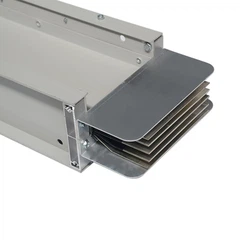
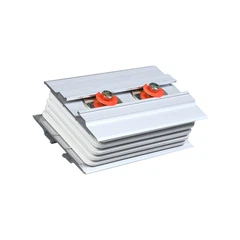
What are the technical parameters of a busway vertical elbow?
Jan 06, 2026
Leave a message
Hey there! As a supplier of Busway Vertical Elbows, I often get asked about the technical parameters of these essential components in electrical distribution systems. So, I thought I'd take a moment to break it down for you.
1. Current Rating
One of the most crucial technical parameters of a busway vertical elbow is its current rating. This is measured in amperes (A) and indicates the maximum amount of electrical current that the elbow can safely carry without overheating. The current rating depends on several factors, including the size of the busbars, the material they're made of, and the cooling method used.
For example, smaller busway vertical elbows might have a current rating of around 250A, which is suitable for light - duty applications such as small offices or residential buildings. On the other hand, industrial settings often require elbows with much higher current ratings, sometimes up to 6000A or more. High - current applications need robust busbars made of high - conductivity materials like copper or aluminum. You can check out our High Current Busbar for more info on high - capacity solutions.
2. Voltage Rating
The voltage rating of a busway vertical elbow is another key parameter. It's measured in volts (V) and represents the maximum voltage that the elbow can withstand without breaking down. Common voltage ratings for busway systems range from 230V for single - phase residential applications to 480V or even higher for three - phase industrial systems.
When selecting a busway vertical elbow, it's essential to match the voltage rating with the voltage of the electrical system it will be used in. Using an elbow with a lower voltage rating than the system voltage can lead to insulation failure and potentially dangerous electrical shorts.
3. Short - Circuit Rating
The short - circuit rating, also known as the short - time current rating, is a measure of the elbow's ability to withstand the high currents that occur during a short - circuit event. It's expressed in kiloamperes (kA) and is determined by the design and construction of the busbars and the overall busway system.
A higher short - circuit rating means that the elbow can handle larger short - circuit currents without suffering significant damage. This is particularly important in industrial and commercial settings where short - circuits can cause extensive damage to equipment and disrupt operations. For more on comprehensive electrical distribution systems, take a look at our 3 Phase Busbar Trunking.


4. Insulation Resistance
Insulation resistance is a measure of how well the insulation material in the busway vertical elbow resists the flow of electrical current. It's typically measured in megohms (MΩ) and is an important indicator of the elbow's safety and reliability.
High insulation resistance values indicate that the insulation is in good condition and can effectively prevent electrical leakage. Regular testing of insulation resistance is recommended to ensure the continued safe operation of the busway system. If the insulation resistance drops below a certain level, it could be a sign of insulation damage or degradation, which requires immediate attention.
5. Temperature Rise
Temperature rise is the increase in temperature of the busway vertical elbow above the ambient temperature when it's carrying its rated current. It's an important parameter because excessive temperature rise can lead to premature aging of the insulation, reduced efficiency, and even equipment failure.
The temperature rise of a busway vertical elbow is affected by factors such as the current rating, the ambient temperature, and the ventilation around the elbow. Manufacturers usually specify the maximum allowable temperature rise for their products, and it's important to ensure that the operating conditions stay within these limits.
6. Degree of Protection (IP Rating)
The IP (Ingress Protection) rating of a busway vertical elbow indicates its level of protection against the ingress of solid objects (such as dust) and liquids (such as water). The rating consists of two digits. The first digit represents the protection against solids, and the second digit represents the protection against liquids.
For example, an IP54 - rated elbow offers a high level of protection against dust ingress (first digit 5) and protection against splashing water from any direction (second digit 4). The appropriate IP rating depends on the environment in which the busway will be installed. In a clean indoor environment, a lower IP rating might be sufficient, but in a harsh industrial or outdoor environment, a higher IP rating is required.
7. Dimensions and Mounting
The physical dimensions of a busway vertical elbow are also important technical parameters. They need to be compatible with the overall busway system and the available space in the installation area. The elbow should fit smoothly into the busway layout without causing any interference.
Mounting options are another consideration. Some busway vertical elbows are designed for wall - mounting, while others can be installed on ceilings or floors. The mounting method should be secure and able to support the weight of the elbow and the electrical load it will carry.
8. Material and Construction
The materials used in the construction of a busway vertical elbow play a significant role in its performance and durability. The busbars are typically made of copper or aluminum due to their high electrical conductivity. Copper has better conductivity than aluminum but is more expensive.
The insulation material is also crucial. It should have good dielectric properties, high thermal resistance, and be resistant to environmental factors such as moisture and chemicals. Common insulation materials include epoxy resin, polyester, and rubber.
How Our Busway Vertical Elbows Stand Out
At our company, we take pride in offering high - quality busway vertical elbows that meet or exceed industry standards. Our elbows are designed with precision to ensure optimal performance in a wide range of applications. We use the latest manufacturing techniques and high - grade materials to guarantee reliability and longevity.
Whether you need a Plug in Bus Duct for easy connection of electrical loads or a 3 - phase solution for industrial power distribution, we've got you covered. Our team of experts is always available to help you select the right busway vertical elbow based on your specific requirements.
Ready to Make a Purchase?
If you're in the market for a busway vertical elbow and want to learn more about our products, we'd love to hear from you. Whether you're an electrical contractor, an engineer, or a facility manager, we can provide you with the technical support and guidance you need. Just reach out to us, and we'll start the conversation about how our busway vertical elbows can meet your electrical distribution needs.
References
- Electrical Engineering Handbook, CRC Press
- National Electrical Code (NEC)
- IEEE Standards for Electrical Power Distribution Systems
Send Inquiry