

What are the main components of a Busway Feeder Box?
Sep 11, 2025
Leave a message
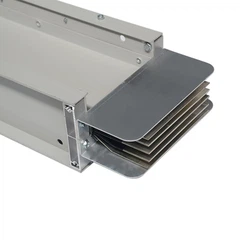
A busway feeder box is a crucial component in electrical power distribution systems, designed to safely and efficiently distribute electrical power from a main power source to multiple branch circuits. As a seasoned supplier of busway feeder boxes, I am well - versed in the main components that make up these essential devices. In this blog post, I will delve into the key elements that constitute a busway feeder box, providing insights into their functions and importance.
Busbars
Busbars are the backbone of a busway feeder box. They are conductive bars that carry electrical current from the power source to various loads. The choice of busbar material is critical, as it directly impacts the performance and cost of the feeder box.
One common type of busbar is the Tin - Plated Aluminum Busbar. Aluminum is a popular choice due to its relatively low cost and good conductivity. The tin plating on the aluminum busbar provides corrosion resistance, which is especially important in environments where the feeder box may be exposed to moisture or other corrosive elements. This plating helps to extend the lifespan of the busbar and maintain its electrical performance over time.
Copper busbars are also widely used in busway feeder boxes. Copper has excellent electrical conductivity, which means it can carry more current with less resistance compared to aluminum. This results in less power loss and heat generation, making copper busbars ideal for high - current applications. Copper Busway Connector is often used to connect copper busbars securely, ensuring a reliable electrical connection.
Busway Connectors
Busway connectors play a vital role in joining busbars together and connecting the busway feeder box to other electrical components. These connectors must provide a low - resistance electrical connection to minimize power loss and ensure safe operation.
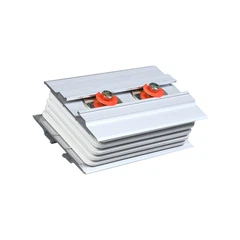
Busway Connector is a generic term for a variety of connectors used in busway systems. They come in different designs and configurations to suit various busbar sizes and types. Some connectors are designed for easy installation and removal, which is useful for maintenance and system modifications. Others are engineered for high - performance applications, providing a tight and secure connection that can withstand high currents and mechanical stress.


The quality of the busway connector is of utmost importance. A poor - quality connector can lead to increased resistance, which in turn can cause overheating and potential fire hazards. Therefore, it is essential to choose connectors that are made from high - quality materials and are designed to meet industry standards.
Enclosure
The enclosure of a busway feeder box serves several important functions. Firstly, it provides physical protection for the internal components, such as the busbars and connectors, from damage due to mechanical impact, dust, and moisture. Secondly, it helps to contain any electrical arcing or faults that may occur inside the feeder box, preventing them from spreading to the surrounding environment.
Enclosures are typically made from metal, such as steel or aluminum, which offers good mechanical strength and electromagnetic shielding. The enclosure is usually designed with proper ventilation to dissipate heat generated by the electrical components inside. Some enclosures also have access doors or panels that allow for easy inspection and maintenance of the feeder box.
The design of the enclosure also takes into account the installation environment. For example, in hazardous locations, the enclosure may need to be explosion - proof or dust - ignition - proof to meet safety regulations.
Circuit Breakers or Fuses
Circuit breakers or fuses are essential protective devices in a busway feeder box. Their main function is to interrupt the electrical circuit in the event of an overcurrent or short - circuit condition, protecting the electrical equipment and preventing damage to the busway system.
Circuit breakers are automatic switches that can be reset after they have tripped. They are available in different ratings and types, such as thermal - magnetic circuit breakers, which use both thermal and magnetic elements to detect overcurrents. Thermal - magnetic circuit breakers can provide protection against both long - term overcurrents (due to overloads) and short - term high - current faults (due to short - circuits).
Fuses, on the other hand, are one - time use devices that melt when an overcurrent occurs, breaking the circuit. Fuses are often used in applications where a simple and cost - effective overcurrent protection solution is required.
The selection of the appropriate circuit breaker or fuse depends on the electrical load requirements and the characteristics of the busway system. It is important to choose a device with the correct rating to ensure proper protection without causing unnecessary tripping.
Insulation
Insulation is used to separate the conductive components, such as busbars and connectors, from each other and from the enclosure. It prevents electrical current from flowing where it is not intended, reducing the risk of short - circuits and electrical shock.
Insulating materials used in busway feeder boxes must have high dielectric strength, good thermal stability, and resistance to environmental factors such as moisture and chemicals. Common insulation materials include epoxy resins, fiberglass, and ceramic materials.
Proper insulation is crucial for the safe and reliable operation of the busway feeder box. Over time, insulation can degrade due to factors such as heat, moisture, and electrical stress. Regular inspection and maintenance of the insulation are necessary to ensure its integrity.
Monitoring and Control Devices
In modern busway feeder boxes, monitoring and control devices are increasingly being used to enhance the performance and safety of the electrical system. These devices can provide real - time information about the electrical parameters, such as current, voltage, and temperature, inside the feeder box.
For example, current sensors can be used to measure the amount of current flowing through the busbars. This information can be used to detect overload conditions and prevent equipment damage. Voltage sensors can monitor the voltage levels to ensure that they are within the acceptable range. Temperature sensors can detect overheating in the busbars or connectors, allowing for early intervention to prevent potential failures.
Some monitoring and control devices also have communication capabilities, which allow them to transmit data to a central control system. This enables remote monitoring and management of the busway feeder box, improving operational efficiency and reducing maintenance costs.
Conclusion
In conclusion, a busway feeder box is a complex electrical device composed of several key components, each with its own unique function and importance. The busbars carry the electrical current, the busway connectors join the busbars together, the enclosure provides physical protection, the circuit breakers or fuses protect against overcurrents, the insulation prevents short - circuits, and the monitoring and control devices enhance the performance and safety of the system.
As a supplier of busway feeder boxes, I understand the critical role that these components play in the overall performance of the electrical power distribution system. We are committed to providing high - quality busway feeder boxes that are designed and manufactured to meet the highest industry standards.
If you are in the market for a reliable busway feeder box or need more information about our products, I encourage you to reach out to us for a detailed discussion. Our team of experts is ready to assist you in selecting the right solution for your specific electrical needs.
References
- Electrical Power Distribution Handbook, McGraw - Hill
- National Electrical Code (NEC)
- IEEE Standards for Busway Systems
Send Inquiry