

What are the installation requirements for a fire - resistant busway?
Nov 11, 2025
Leave a message
Hey there! I'm a supplier of fire-resistant busways, and I've been getting a lot of questions lately about the installation requirements for these bad boys. So, I thought I'd put together a blog post to share some insights and clear up any confusion.
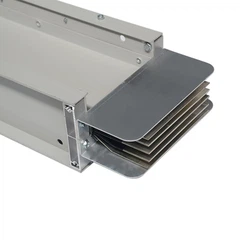
First off, let's talk about what a fire-resistant busway is. It's basically a system used to distribute electrical power in buildings. Unlike regular busways, fire-resistant ones are designed to keep working even when there's a fire. This is super important for things like emergency lighting, fire alarms, and other critical systems that need to stay up and running during a fire.
Location, Location, Location
The first thing you need to consider when installing a fire-resistant busway is where you're going to put it. You want to choose a spot that's away from potential sources of damage, like heavy machinery or areas where people might accidentally hit it. It should also be in a place where it's easy to access for maintenance and inspections.
Ideally, the busway should be installed in a dedicated electrical room or a well-protected area. This helps to prevent physical damage and also makes it easier to control the environment around the busway. For example, you don't want it to be in an area that gets too hot or too humid, as this can affect its performance.
Mounting and Support
Once you've found the right location, it's time to think about how you're going to mount and support the busway. The busway needs to be securely fastened to a stable structure to prevent it from moving or vibrating. This is important because any movement can cause damage to the busway and its connections.
You can use brackets, hangers, or other mounting hardware to secure the busway. Make sure that the mounting hardware is rated for the weight and size of the busway. It's also a good idea to follow the manufacturer's recommendations for mounting and support.
Electrical Connections
Proper electrical connections are crucial for the safe and efficient operation of a fire-resistant busway. All connections should be made according to the electrical codes and standards in your area. This includes using the right size and type of conductors, making sure the connections are tight, and using appropriate insulation.
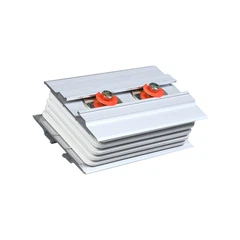
Before making any connections, you should clean the surfaces of the conductors to remove any dirt, grease, or oxidation. This helps to ensure a good electrical contact. You should also use torque wrenches to tighten the connections to the recommended torque values. This helps to prevent loose connections, which can cause overheating and other problems.
Fire Protection
As the name suggests, fire protection is a key consideration when installing a fire-resistant busway. The busway should be installed in a way that provides adequate fire protection. This may involve using fire-rated enclosures, firestopping materials, and other fire protection measures.
Fire-rated enclosures are designed to contain the fire and prevent it from spreading to other areas of the building. They are typically made of materials that can withstand high temperatures for a certain period of time. Firestopping materials are used to seal any gaps or openings around the busway to prevent the passage of fire, smoke, and hot gases.


Ventilation
Proper ventilation is also important for the performance of a fire-resistant busway. The busway generates heat during operation, and if this heat is not dissipated properly, it can cause the busway to overheat and fail.
You should make sure that there is adequate ventilation around the busway. This may involve installing ventilation ducts or fans to remove the hot air. You should also avoid blocking any ventilation openings or pathways.
Testing and Commissioning
Once the busway is installed, it's important to test and commission it to make sure it's working properly. This includes performing electrical tests, such as insulation resistance tests and continuity tests, to check for any electrical problems. You should also perform a fire test to make sure that the busway meets the fire resistance requirements.
Testing and commissioning should be done by a qualified electrician or technician. They should follow the manufacturer's instructions and the relevant electrical codes and standards. Once the testing and commissioning are complete, you should keep a record of the results for future reference.
Why Choose Our Fire-Resistant Busways?
At our company, we offer a wide range of fire-resistant busways, including Fireproof Bus Duct, 3-Phase Fire-Resistant Busway, and Metal Enclosed Busway. Our busways are designed and manufactured to the highest standards of quality and safety.
We use the latest technology and materials to ensure that our busways provide reliable and efficient power distribution. Our team of experts is always available to provide technical support and advice on installation, maintenance, and testing.
If you're in the market for a fire-resistant busway, we'd love to hear from you. Whether you're working on a new construction project or need to upgrade an existing electrical system, we can help you find the right solution for your needs. Contact us today to start a conversation about your requirements and let's work together to ensure the safety and reliability of your electrical system.
References
- National Electrical Code (NEC)
- Underwriters Laboratories (UL) Standards
- Manufacturer's Installation and Maintenance Manuals
Send Inquiry