

How to maintain a busway junction?
Aug 13, 2025
Leave a message
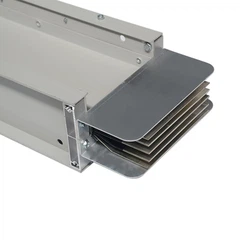
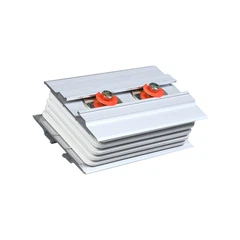
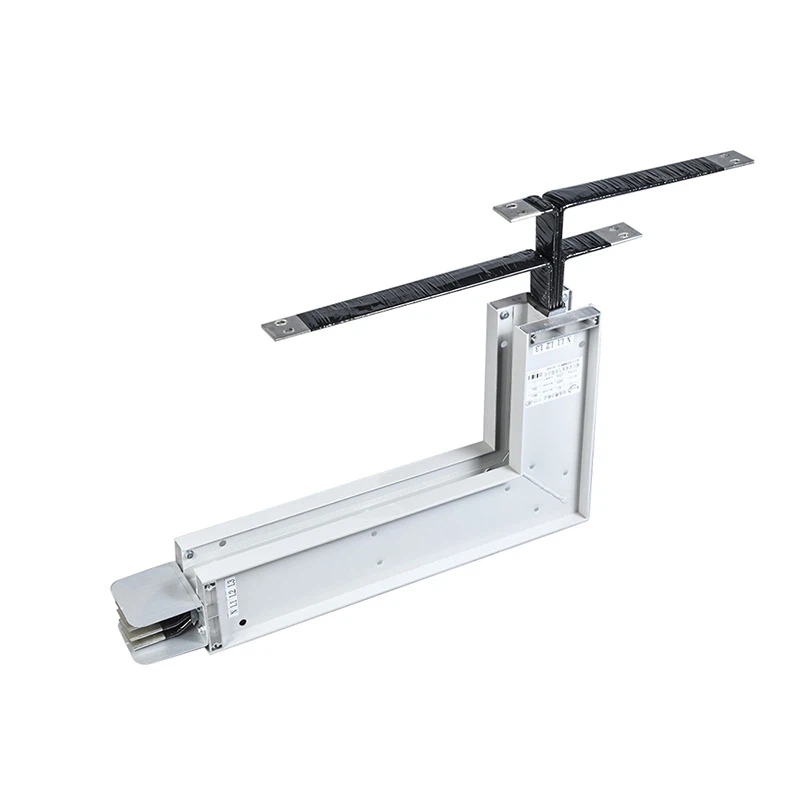
Maintaining a busway junction is crucial for ensuring the efficient and safe operation of an electrical distribution system. As a leading supplier of busway junctions, I understand the significance of proper maintenance in preventing downtime, reducing energy losses, and extending the lifespan of the equipment. In this blog post, I will share some essential tips on how to maintain a busway junction effectively.
Regular Inspections
Regular inspections are the cornerstone of busway junction maintenance. By conducting routine checks, you can identify potential issues before they escalate into major problems. Here are some key aspects to focus on during inspections:
- Visual Inspection: Start by visually examining the busway junction for any signs of damage, such as cracks, corrosion, or loose connections. Check the insulation for any signs of wear or degradation, and ensure that all covers and panels are securely in place.
- Electrical Testing: Use appropriate electrical testing equipment to measure the voltage, current, and resistance at the busway junction. Compare the readings with the manufacturer's specifications to ensure that the junction is operating within the acceptable range.
- Temperature Monitoring: Monitor the temperature of the busway junction using infrared thermography or temperature sensors. Elevated temperatures can indicate overloading, poor connections, or other issues that need to be addressed.
Cleaning and Lubrication
Keeping the busway junction clean and properly lubricated is essential for maintaining its performance and longevity. Here are some cleaning and lubrication tips:
- Cleaning: Regularly clean the busway junction to remove dirt, dust, and debris that can accumulate over time. Use a soft brush or compressed air to clean the surfaces, and avoid using abrasive cleaners that can damage the insulation.
- Lubrication: Apply a thin layer of electrical contact lubricant to the busway junction connections to prevent oxidation and ensure good electrical conductivity. Follow the manufacturer's recommendations for the type and frequency of lubrication.
Tightening Connections
Loose connections can cause arcing, overheating, and other electrical problems. Therefore, it is important to regularly check and tighten the connections at the busway junction. Here are some tips for tightening connections:
- Use the Right Tools: Use the appropriate tools, such as torque wrenches, to tighten the connections to the manufacturer's specifications. Over-tightening can damage the components, while under-tightening can lead to loose connections.
- Check for Signs of Looseness: Look for signs of looseness, such as vibration, noise, or heat, at the busway junction. If you notice any of these signs, immediately check and tighten the connections.
- Inspect the Terminals: Inspect the terminals for any signs of damage or corrosion. If necessary, clean or replace the terminals to ensure good electrical contact.
Environmental Considerations
The environment in which the busway junction is installed can have a significant impact on its performance and lifespan. Here are some environmental considerations to keep in mind:

- Temperature and Humidity: Maintain the temperature and humidity levels within the recommended range for the busway junction. High temperatures and humidity can cause the insulation to degrade and increase the risk of electrical problems.
- Dust and Contamination: Protect the busway junction from dust, dirt, and other contaminants that can accumulate on the surfaces and affect its performance. Use appropriate enclosures and filters to prevent contamination.
- Vibration and Shock: Minimize the exposure of the busway junction to vibration and shock, which can cause loose connections and damage to the components. Use vibration isolation mounts and shock absorbers if necessary.
Training and Documentation
Proper training and documentation are essential for ensuring that the busway junction is maintained correctly. Here are some tips for training and documentation:
- Training: Provide training to the maintenance personnel on the proper maintenance procedures for the busway junction. Ensure that they are familiar with the manufacturer's recommendations and safety guidelines.
- Documentation: Keep detailed records of all maintenance activities, including inspections, cleaning, lubrication, and tightening of connections. This documentation can help you track the performance of the busway junction over time and identify any trends or issues.
Conclusion
Maintaining a busway junction is a critical task that requires regular inspections, cleaning, lubrication, tightening of connections, and environmental considerations. By following these tips, you can ensure the efficient and safe operation of your electrical distribution system and extend the lifespan of your busway junction.
If you are in the market for high-quality busway junctions or need assistance with maintenance, please feel free to contact us for more information. Our team of experts is ready to help you find the right solution for your needs.
References
Send Inquiry