

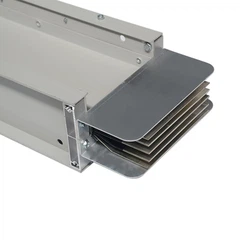
How does Tinned Copper Busbar perform in high - altitude areas?
Dec 02, 2025
Leave a message
Hey there! I'm a supplier of Tinned Copper Busbar, and today I wanna chat about how these bad boys perform in high - altitude areas.
First off, let's understand what high - altitude areas are all about. High - altitude areas are typically regions that are located at an elevation of more than 1,500 meters above sea level. Places like the Tibetan Plateau in Asia or the Andes in South America. These areas come with a unique set of environmental conditions that can have a real impact on electrical components, and our Tinned Copper Busbar is no exception.
One of the most significant factors in high - altitude areas is the lower air pressure. As you go higher up, the air gets thinner, which means there are fewer air molecules per unit volume. This has a direct effect on the cooling of electrical equipment. In normal conditions, air acts as a coolant for electrical conductors. When the air pressure drops, the heat dissipation capacity of the air decreases.
Our Tinned Copper Busbar, though, is pretty well - equipped to handle this. The tinning on the copper busbar plays a crucial role here. Tin has good thermal conductivity, which helps in transferring the heat generated within the busbar to the surrounding environment more efficiently. Even with the reduced cooling capacity of the thin air, the tinned surface can still manage to dissipate a fair amount of heat. This is important because if the busbar overheats, it can lead to a decrease in its electrical conductivity and even cause damage to the entire electrical system.
Another aspect affected by high - altitude is the dielectric strength of the air. Dielectric strength is the maximum electric field that a material can withstand without breaking down and conducting electricity. In high - altitude areas, due to the lower air density, the dielectric strength of the air is reduced. This means there's a higher risk of electrical arcing between conductors.
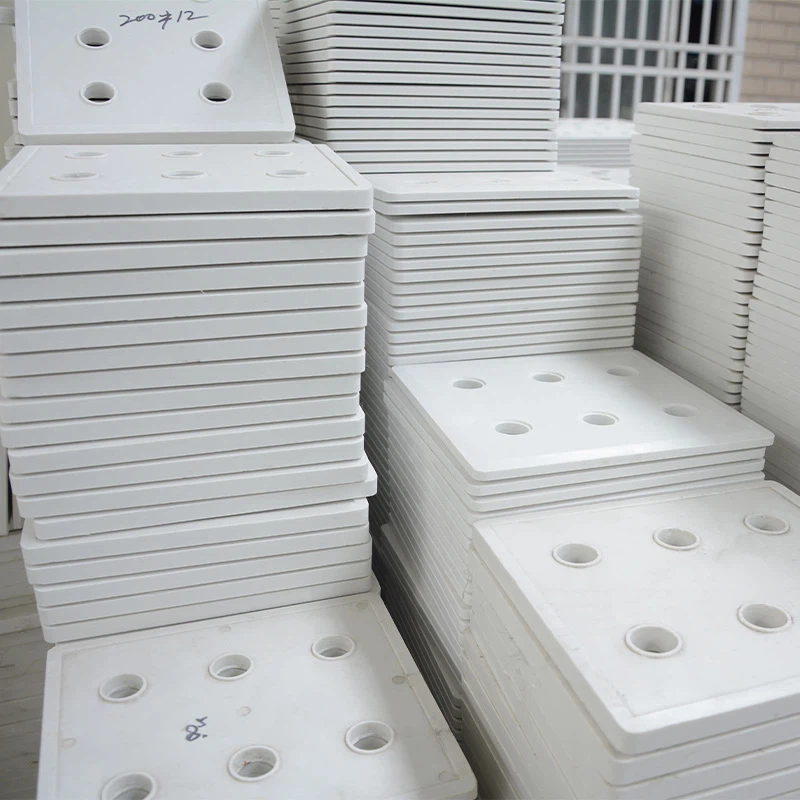
But don't worry! Our Tinned Copper Busbar is designed with safety in mind. The tin coating provides an extra layer of protection. It helps to prevent the formation of sharp edges on the copper surface, which are more likely to cause arcing. Additionally, when used in combination with proper Busway Connector Insulation Plate, the risk of arcing can be significantly minimized. The insulation plate acts as a barrier between different conductors, ensuring that the electrical current stays where it's supposed to be.
Now, let's talk about corrosion. High - altitude areas often have harsher environmental conditions, including more extreme temperature variations and higher levels of UV radiation. These factors can accelerate the corrosion of metals. However, the tin coating on our Tinned Copper Busbar acts as a sacrificial layer. It corrodes preferentially to the copper underneath, protecting the copper from direct contact with the corrosive elements in the environment. This means that our busbar can maintain its performance and integrity over a longer period, even in these tough high - altitude conditions.
When it comes to the mechanical properties of the Tinned Copper Busbar in high - altitude areas, the temperature variations can cause expansion and contraction of the material. But copper is a relatively ductile metal, and the tinning process doesn't significantly affect its ductility. This allows the busbar to withstand the mechanical stresses caused by temperature changes without cracking or breaking.
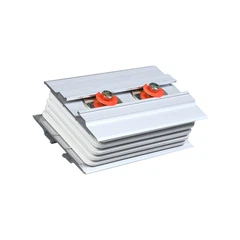
In high - altitude electrical systems, the connection between different components is crucial. Our Tinned Copper Busbar can be easily connected using Copper Busway Connector. The connectors are designed to provide a secure and low - resistance connection. The tinning on the busbar also helps in improving the contact between the busbar and the connector, reducing the chances of overheating at the connection points.
So, in summary, our Tinned Copper Busbar performs quite well in high - altitude areas. The tin coating helps with heat dissipation, protects against arcing and corrosion, and maintains the mechanical integrity of the busbar. When combined with the right accessories like the Copper Busway Connector and Busway Connector Insulation Plate, it can be a reliable choice for high - altitude electrical systems.

If you're in the market for Tinned Copper Busbar for your high - altitude projects, or if you have any questions about how it can work in your specific situation, don't hesitate to reach out. We're here to help you make the best choice for your electrical needs.
References
- Electrical Engineering Handbook, CRC Press
- High - Altitude Electrical Equipment Design Guidelines, IEEE Publications
Send Inquiry